The Economics of Modern Gaming
Introduction to Gaming Economics
The Old Way of Selling Games
For decades, the business of video games was simple. A company would spend years and a lot of money creating a game. Then, they would put it in a box and sell it in a store. You'd buy the game, take it home, and that was the end of the transaction. You owned it. This is the traditional premium or "pay-to-play" model.
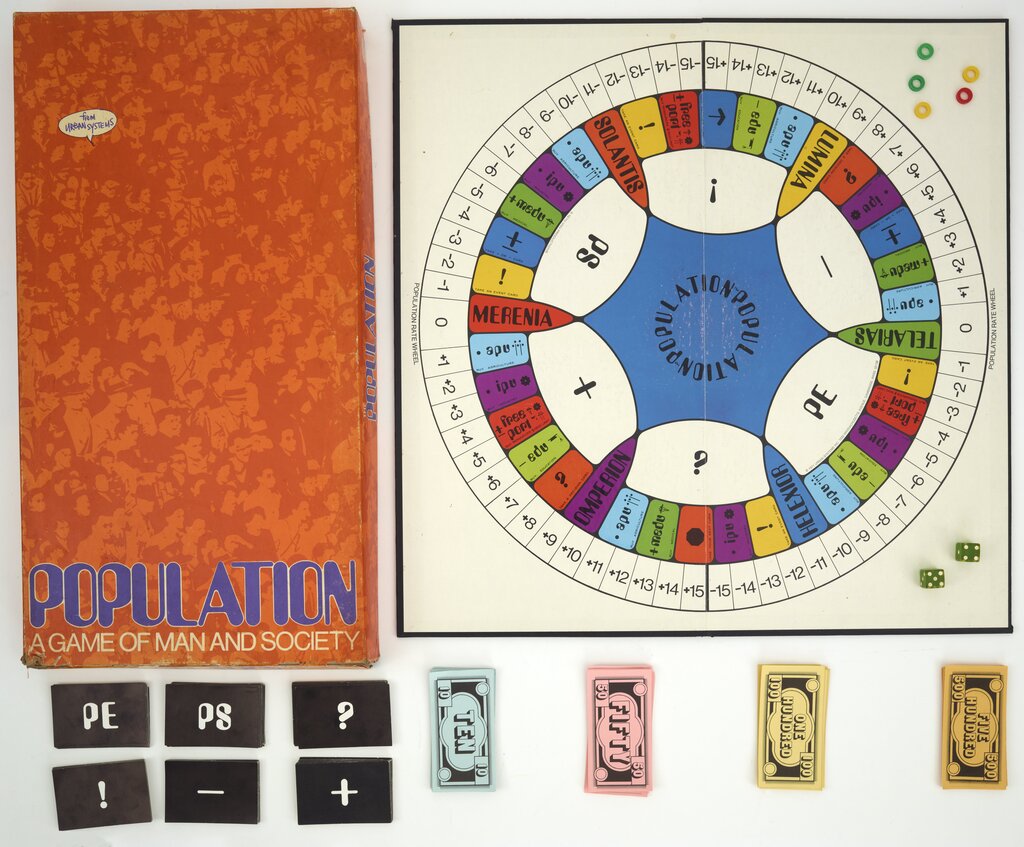
This model is straightforward. The price on the box had to cover everything: development costs, marketing, manufacturing the physical cartridges or discs, shipping, and the retailer's cut. The hope was that enough people would buy the game at that price for the company to make a profit. It was a high-stakes bet on a single product launch.
Going Digital
The internet changed everything. Faster connections made it possible to download entire games. This shift to digital distribution cut out the costs of making physical boxes, manuals, and discs. It also eliminated the need for shipping and brick-and-mortar retailers.
For a while, the model stayed the same. You still paid a one-time fee, but now you downloaded the game from a digital storefront like Steam or the PlayStation Store. While this was more efficient, it also opened the door to entirely new ways of thinking about how to sell a gaming experience.
Enter Microtransactions
Instead of selling a complete game for a high price, developers began to wonder: what if we give the game away for free and sell small, optional things inside it? This idea led to the rise of microtransactions.
microtransaction
noun
A business model where users can purchase virtual goods or in-game currency with micropayments.
These are small purchases made within a game. It could be a new outfit for a character, a special weapon, extra lives, or a way to speed up progress. Many mobile games are built entirely around this "free-to-play" model. The game is free to download and play, but it's designed to encourage players to spend money on these small items. This model lowered the barrier to entry, allowing millions of people to try a game without paying anything upfront.
This growth was due in large part to a shift in monetization strategies: rather than charging players an upfront cost ("pay-to-play"), games often request optional microtransactions throughout gameplay ("free-to-play").
Games as a Service
The latest evolution in gaming economics is the "live service" model. This combines the ongoing updates of a service with the gameplay of a traditional game. Instead of being a one-and-done product, a live service game is designed to be played for months or even years.
Developers constantly add new content: new levels, new characters, special events, and story updates. This keeps players engaged and coming back. To fund this continuous development, these games rely on recurring revenue streams.
Live service models treat a game not as a product to be sold once, but as an ongoing service that provides value over time.
This revenue often comes from microtransactions, but it also includes things like subscriptions or "battle passes." A battle pass is a system where players can pay a fee each season to unlock extra rewards by playing the game and completing challenges. This model creates a steady, predictable income for the developer, allowing them to support the game long after its initial release.
Now let's review the key terms we've covered.
Ready to check your understanding?
What is the defining characteristic of the traditional "pay-to-play" video game model?
The shift from physical cartridges and discs to digital distribution primarily eliminated which costs for game companies?
From simple one-time purchases to complex, ever-evolving services, the way games make money has fundamentally changed. This shift reflects broader trends in technology and how we consume digital entertainment.