The Economics of Modern Gaming
Gaming Industry Overview
More Than Just a Game
The video game industry is a financial giant. It pulls in more revenue than the global movie and North American sports industries combined. This isn't just about kids playing in their rooms; it's a massive economic force, shaping technology, entertainment, and culture.
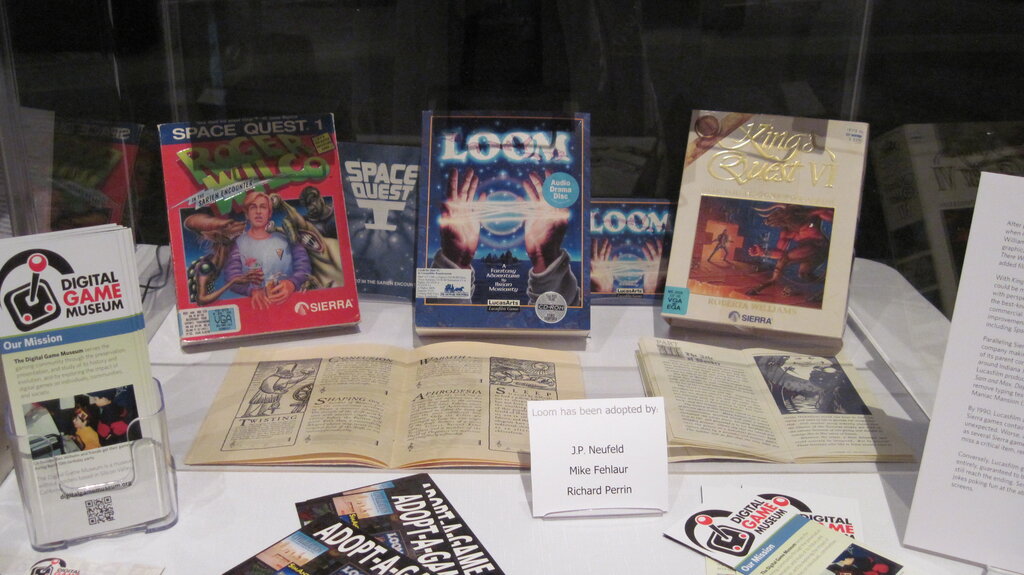
For decades, the business model was simple. A developer created a game, a publisher boxed it up, and you bought it from a store. That was the entire transaction. You owned the game, a complete, finished product. This one-time purchase model dominated the industry from its early days through the console wars of the 90s and 2000s.
New Ways to Play and Pay
The rise of the internet and mobile devices changed everything. Suddenly, games could be distributed digitally, and more importantly, they could be updated, changed, and added to after they were released. This opened the door for new ways to make money.
The first big shift was the free-to-play (F2P) model. Instead of charging $60 upfront, companies offered the game for free. The idea was to attract a huge number of players and then sell them optional content inside the game itself. This is where microtransactions come in.
microtransaction
noun
A small in-game purchase of virtual goods or currency, made with real money.
These small purchases can be for anything from cosmetic items, like character skins, to functional benefits, like speeding up a timer or unlocking a new level. While each transaction is small, they add up.
In-game spending, also known as microtransactions, has become a significant driver of revenue in the gaming industry.
Games as an Ongoing Service
The free-to-play model and microtransactions laid the groundwork for an even bigger idea: Games-as-a-Service (GaaS). Instead of selling a game as a one-time product, developers now treat it as an ongoing service. The game you download on day one is just the beginning.
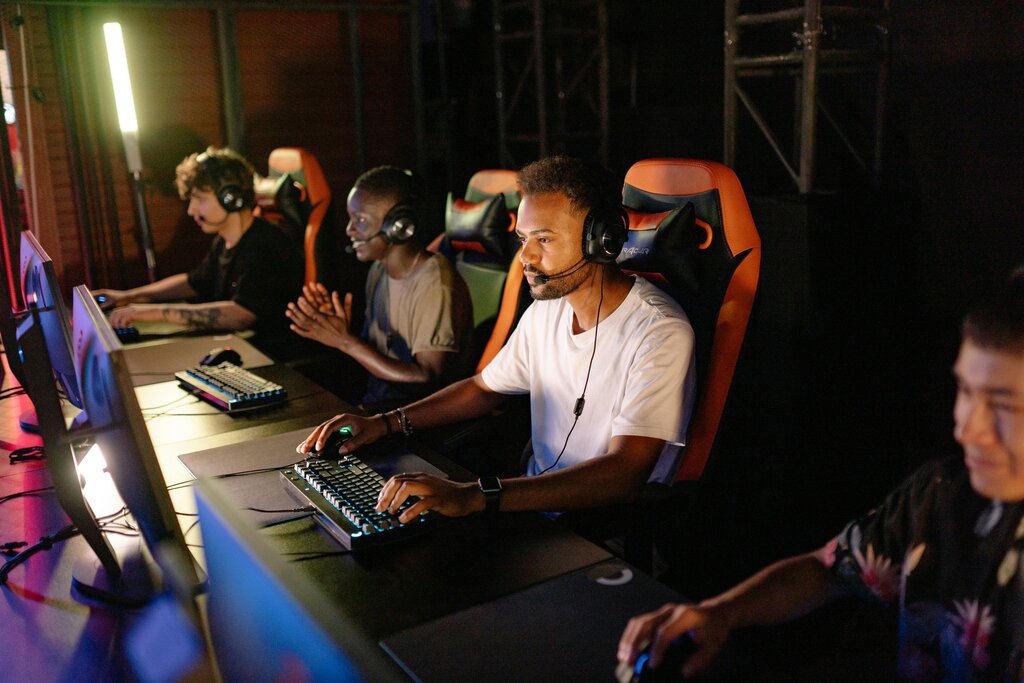
A live service game is constantly evolving. Developers release a steady stream of new content, like maps, characters, story missions, and special events. This keeps players engaged for months or even years. The revenue comes from a mix of sources. Some live service games have an initial purchase price, while others are free-to-play. Nearly all of them include microtransactions or sell subscriptions called "Battle Passes" that offer rewards for playing.
The goal of a live service model is to maintain a long-term relationship with the player, turning a one-time purchase into a continuous revenue stream.
This shift from a single product to an ongoing service has fundamentally reshaped the gaming industry. It has created games that are more profitable and have longer lifespans than ever before, cementing gaming's place as an economic powerhouse in the world of entertainment.