The Economics of Fashion Pricing
Introduction to Fashion Pricing
What's in a Price Tag?
The price of a piece of clothing is more than just a number. It's a powerful signal that communicates a brand's identity, quality, and target audience. Fashion pricing isn't just about covering costs and making a profit; it's a strategic tool that shapes how customers see a product and the entire brand. Getting it right can mean the difference between a sold-out collection and a clearance rack full of unsold inventory.
At its core, fashion pricing is the process of setting a monetary value on an apparel item. This decision influences everything from the materials used to the marketing campaigns launched. A simple t-shirt can cost $5 or $500, and the price tells a story long before a customer ever tries it on.
Basic Pricing Strategies
Brands don't just pick numbers out of thin air. They typically start with one of a few foundational strategies to guide their pricing decisions.
The simplest approach is called cost-plus pricing. It's a straightforward, inside-out method.
With this strategy, a company calculates the total cost to produce a single item—including materials, labor, and overhead—and then adds a standard markup percentage. For example, if a pair of jeans costs $40 to produce and the brand's standard markup is 100%, the retail price would be $80. It's easy and ensures costs are covered, but it completely ignores two major factors: competitors and customers.
A more market-focused approach is value-based pricing. Instead of starting with production costs, this strategy starts with the customer. The price is based on the perceived value of the item to the target consumer. A brand might use high-quality, sustainable materials or have an incredibly strong brand story. If customers believe these factors make the product worth more, they will be willing to pay more, regardless of the production cost. This method requires a deep understanding of your audience.
Finally, there's competition-based pricing. This involves looking at what similar brands are charging for similar items and setting your prices in the same ballpark. A new sneaker brand, for example, would research the prices of established competitors to position its own products. The goal is to stay competitive and attract customers who are comparison shopping. This can be effective, but it risks a "race to the bottom" where brands continually cut prices to beat each other.
| Strategy | Basis for Price | Main Advantage | Main Disadvantage |
|---|---|---|---|
| Cost-Plus | Production Cost | Simple and ensures cost coverage | Ignores market and consumer value |
| Value-Based | Customer Perception | Can achieve higher profit margins | Difficult to quantify perceived value |
| Competition-Based | Competitor Prices | Helps to stay competitive | Can lead to price wars and lower profits |
Price and Perception
Pricing is a cornerstone of brand positioning. It helps customers quickly categorize a brand. We intuitively understand that a $300 handbag and a $30 handbag are targeting different people, even if we know nothing else about the brands.
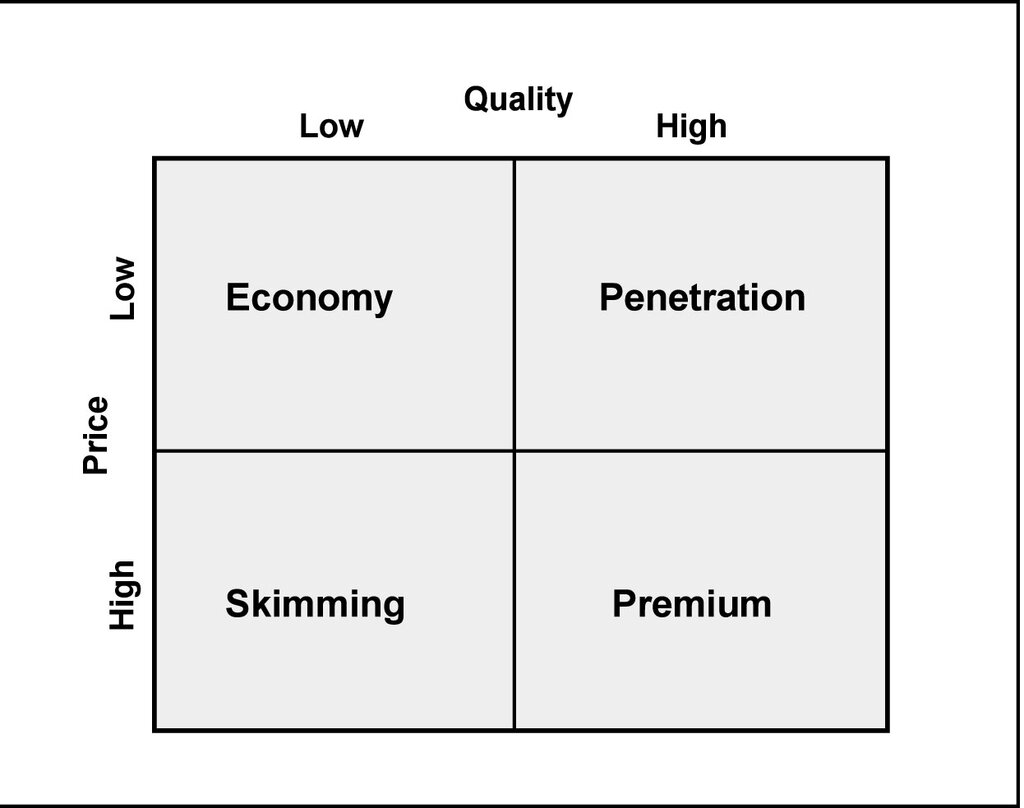
A high price often creates a perception of luxury, quality, and exclusivity. This is known as premium pricing. It signals that the product is made with superior materials, craftsmanship, or design. For luxury brands, the high price is part of the appeal. It makes the item a status symbol.
On the other hand, a low price signals accessibility and value for money. Brands using an economy pricing strategy are telling customers that their main focus is affordability. This positioning attracts a broad audience that prioritizes function and cost over brand name or exclusivity.
Pricing signals value, shapes margins, and filters customers.
This filtering effect is crucial for building a brand's community. The price determines who can afford the product, shaping the customer base and the brand's overall image. A mid-range price might try to strike a balance, signaling good quality at a reasonable cost, often referred to as a "masstige" (mass prestige) position.
These pricing decisions lay the groundwork for a brand's entire market strategy, influencing everything from the cost of materials to the final price tag you see in the store.