The Economics of Conflict
Historical Roots of Profiteering
The Age of Shoddy
During the American Civil War, a new class of wealthy industrialists emerged, known not for their ingenuity but for their greed. They were dubbed the “shoddy millionaires.” Their fortunes were built by selling substandard goods to the Union Army at inflated prices.
The term “shoddy” originally referred to a type of recycled wool, made from old rags ground up and pressed into new cloth. This material was cheap but notoriously weak. Uniforms made from it would disintegrate in the first rainstorm. The problem wasn't limited to clothing. Contractors sold shoes with soles made of cardboard, rifles that wouldn't fire or exploded upon use, and spoiled food that sickened troops. It was a clear pattern of individual opportunism, where suppliers prioritized profit over the lives of soldiers.
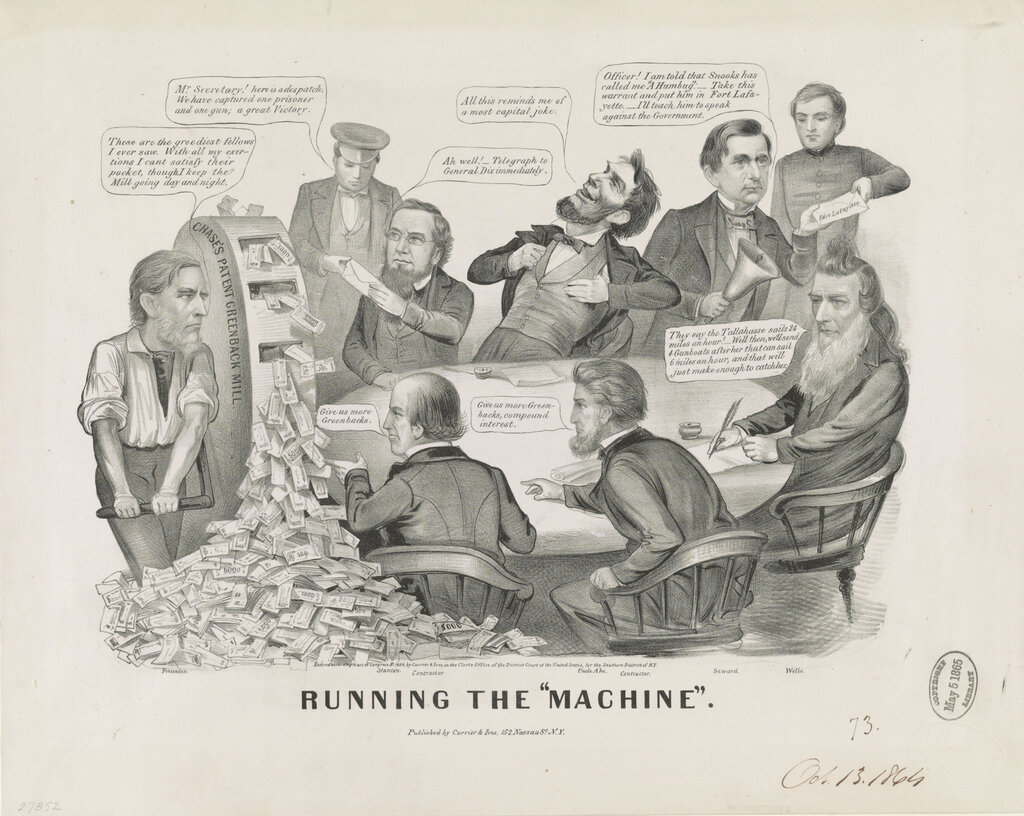
This widespread fraud became so damaging to the war effort that the government was forced to act. In response, Congress passed the , aiming to hold deceitful contractors accountable. The law empowered private citizens to sue on behalf of the government and share in any recovered damages, creating a powerful incentive for whistleblowers to come forward.
War Is a Racket
By the time World War I began, the scale of war had changed dramatically, and so had the nature of profiteering. The occasional fraud of the Civil War evolved into a systemic feature of the military-industrial economy. No one articulated this shift more forcefully than , a highly decorated Marine Corps General.
In his book War Is a Racket, Butler laid out how industrial corporations benefited from the conflict. He pointed to staggering increases in corporate profits, noting that many companies saw their earnings surge by over 1,000% during the war years. This wasn't just about supplying goods; it was about controlling production, setting prices, and lobbying the government for lucrative contracts with little oversight.
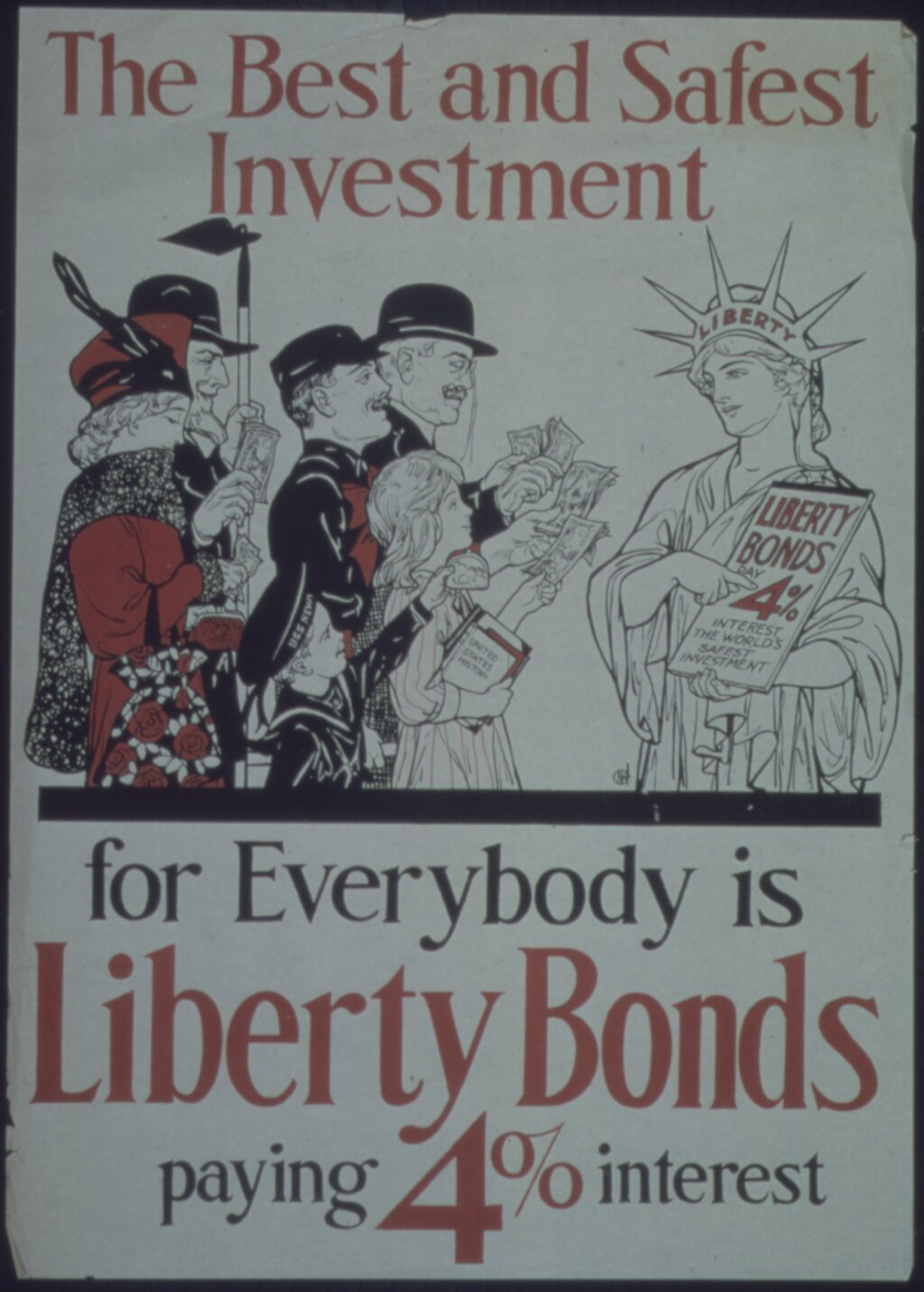
Munitions scandals were rampant. Investigations after the war revealed systemic overcharging and the production of defective weapons. The relationship between the state and industry had become institutionalized. Companies weren't just cheating the system; they were becoming part of it, shaping policy and supply chains for maximum financial gain.
| Company | Pre-War Average Profit | 1917 Profit | Percentage Increase |
|---|---|---|---|
| U.S. Steel | $105 million | $478 million | 355% |
| DuPont | $6 million | $58 million | 867% |
| Bethlehem Steel | $6 million | $49 million | 717% |
| Anaconda Copper | $10 million | $34 million | 240% |
The journey from the Civil War's shoddy millionaires to the corporate behemoths of World War I marks a critical evolution. What began as simple, opportunistic fraud grew into a complex, integrated system where the lines between national defense and corporate profit blurred.
The term “shoddy millionaires,” which emerged during the American Civil War, referred to individuals who...
What was the U.S. Congress's primary legislative response to the widespread fraud by military contractors during the Civil War?
This historical context shows how the mechanisms of war profiteering were established long before the modern era, setting the stage for future conflicts.