The East India Company
Origins and Early Trade
A New Player in the Spice Trade
For centuries, the sea routes to the East were a closely guarded secret, first by Arab traders, and then by the Portuguese and Spanish. They controlled the flow of spices like pepper, cloves, and nutmeg into Europe, making fortunes in the process. By the late 1500s, England, watching from the sidelines, wanted a piece of the action.
On the final day of 1600, Queen Elizabeth I granted a royal charter to a group of merchants, officially creating "The Governor and Company of Merchants of London trading into the East Indies." We know it today as the East India Company. Its mission was simple: sail east, bypass the old monopolies, and buy spices directly from the source in the East Indies, what is now Indonesia.
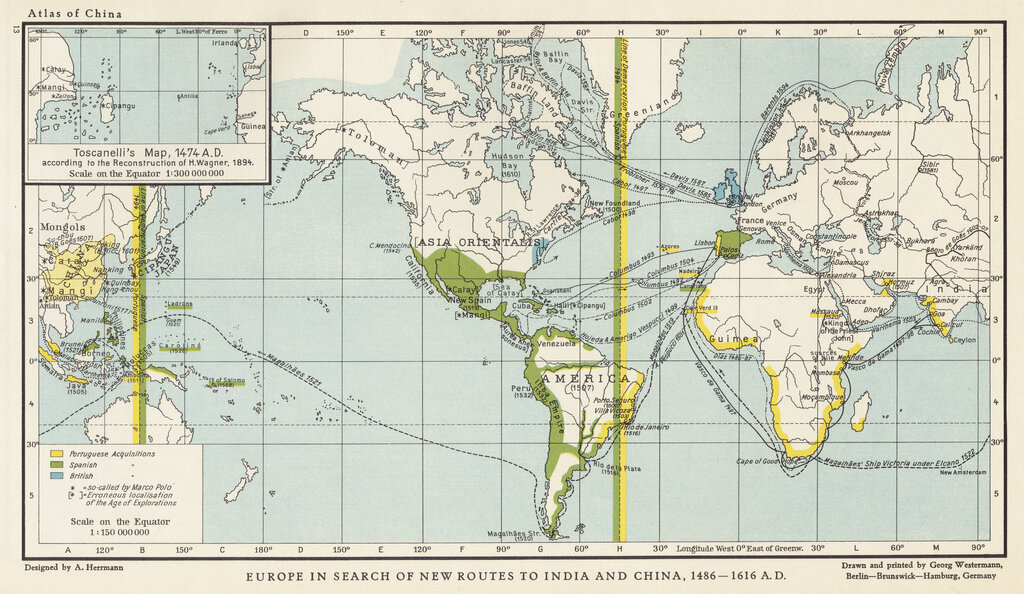
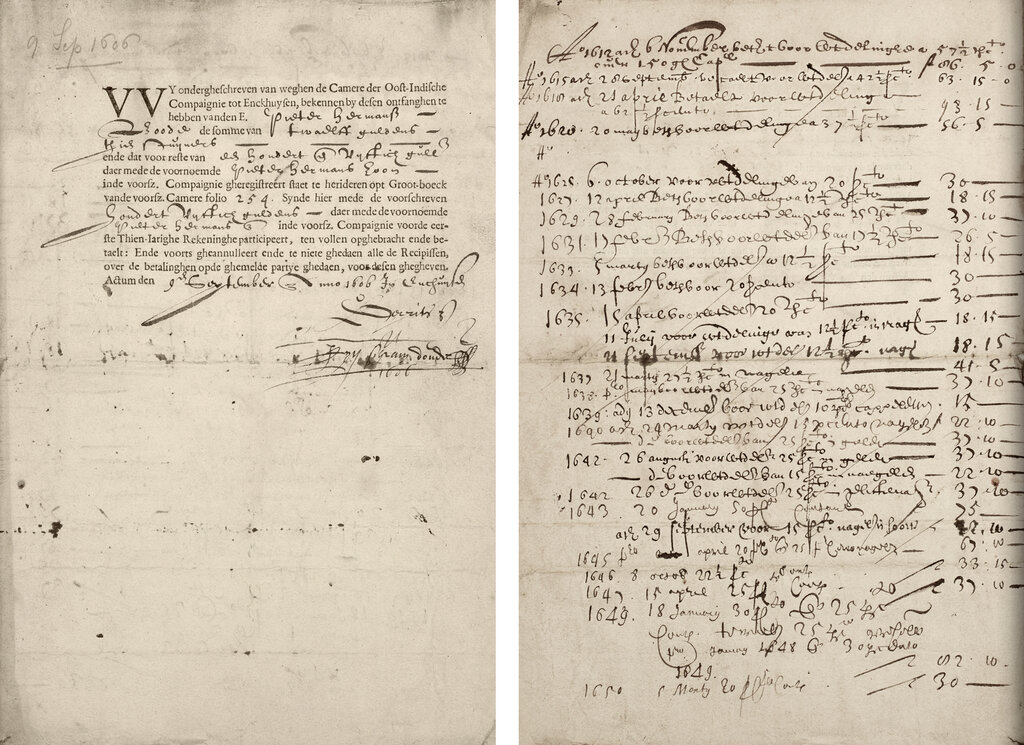
These early voyages were incredibly risky. Ships could be lost to storms, disease, or pirates. To fund these ventures, the company operated as a joint-stock company. Investors would buy shares in a single voyage, and if the ship returned with its cargo, they would receive a portion of the profits. This model spread the financial risk, making the dangerous but potentially lucrative trade possible.
Rivalries and Realities
The East India Company quickly learned it wasn't alone. The Dutch East India Company, or VOC, was a formidable rival. Founded just two years later, the VOC was better funded, had more ships, and was backed more aggressively by its government. The Dutch already had a strong presence in the Spice Islands and weren't keen on sharing.
Competition between the English and Dutch was fierce and often violent, pushing the East India Company to seek opportunities outside the main spice-producing islands.
Frustrated in the East Indies, the company turned its attention toward mainland India. This wasn't the original plan—Indian textiles were less profitable than spices—but it proved to be a pivotal shift. At the time, much of India was ruled by the powerful Mughal Empire, a sophisticated and wealthy civilization. To trade there, the English would need permission from the top.
A Foothold in India
The company sent representatives to the court of the Mughal Emperor, Jahangir, to negotiate a trade agreement. After several attempts, an English naval victory over the Portuguese at the Battle of Swally in 1612 impressed the Emperor. He saw the English as a potential naval counterweight to the Portuguese, who had dominated the seas in the region. This victory opened the door for a permanent English presence.
factory
noun
In the 17th century, this was a trading post, warehouse, and residence for company merchants, not a place of manufacturing.
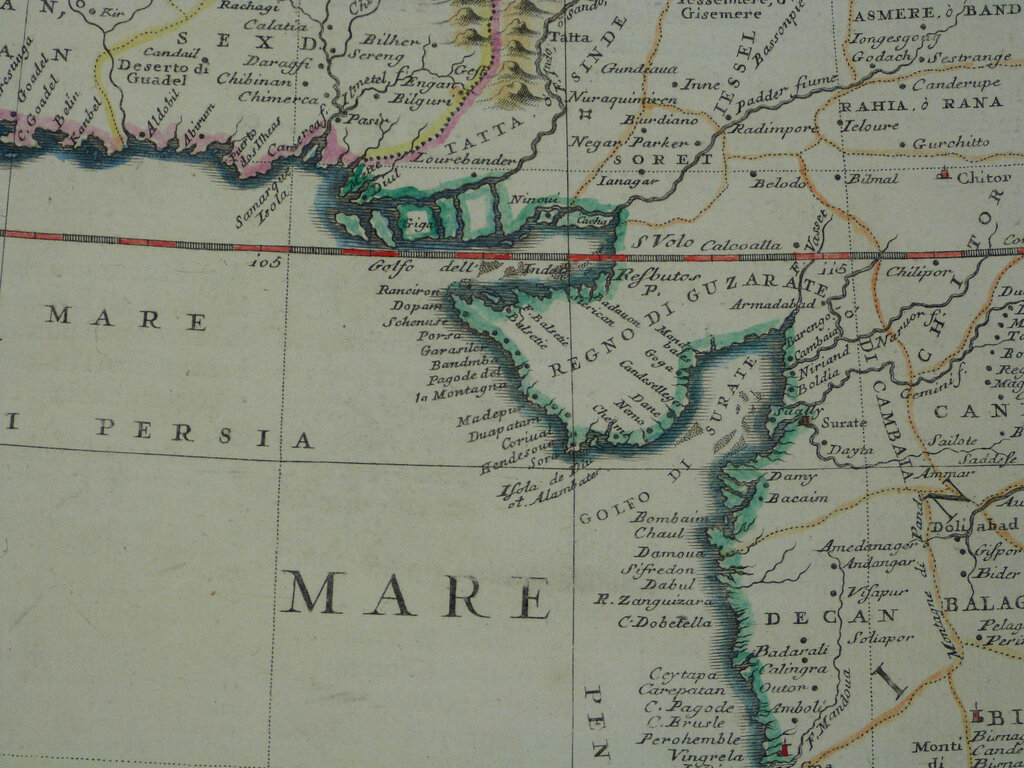
In 1613, Emperor Jahangir granted the East India Company the right to establish its first permanent factory in the port city of Surat, on the west coast of India. This was a monumental achievement. From this small base, the company began trading Indian goods like cotton, silk, indigo dye, and saltpeter (a key ingredient in gunpowder). Though the spice trade was still the ultimate prize, the factory at Surat gave the company a secure and vital foothold in Asia.
From these humble beginnings as a group of merchants chasing spices, the company's focus began to shift. The establishment in India set in motion a chain of events that would transform not only the company but the future of an entire subcontinent.