The Dynamics of Culture
Defining Culture
What Is Culture?
Culture is the shared software that runs a society. It isn't just about art, music, or literature. It's a complex system of beliefs, values, and practices that a group of people shares. This shared understanding acts as a blueprint for how to live, telling us how to behave, what to strive for, and how to make sense of the world around us.
Think of it as the personality of a society. It shapes everything from our daily routines to our most important ceremonies.
The Building Blocks of Culture
Culture is made up of several key elements that work together. Understanding them helps us see how a culture functions.
| Element | Description |
|---|---|
| Beliefs | Specific ideas that people hold to be true. These can be about anything, from religion and science to folklore and history. |
| Values | A culture's standards for what is good, just, and desirable. They are broad principles that guide social living. |
| Symbols | Anything that carries a particular meaning recognized by people who share a culture. A word, a gesture, or an object can be a symbol. |
| Rituals | Formalized ceremonies and routines that a group regularly performs. They often mark important occasions or reinforce cultural values. |
| Artifacts | The physical objects, or material culture, that a society creates. These range from tools and technology to clothing and art. |
For example, a national flag is a symbol that can evoke strong feelings of patriotism (a value). The belief that a country is special might be celebrated through a national holiday (a ritual), which could involve displaying historical objects (artifacts).
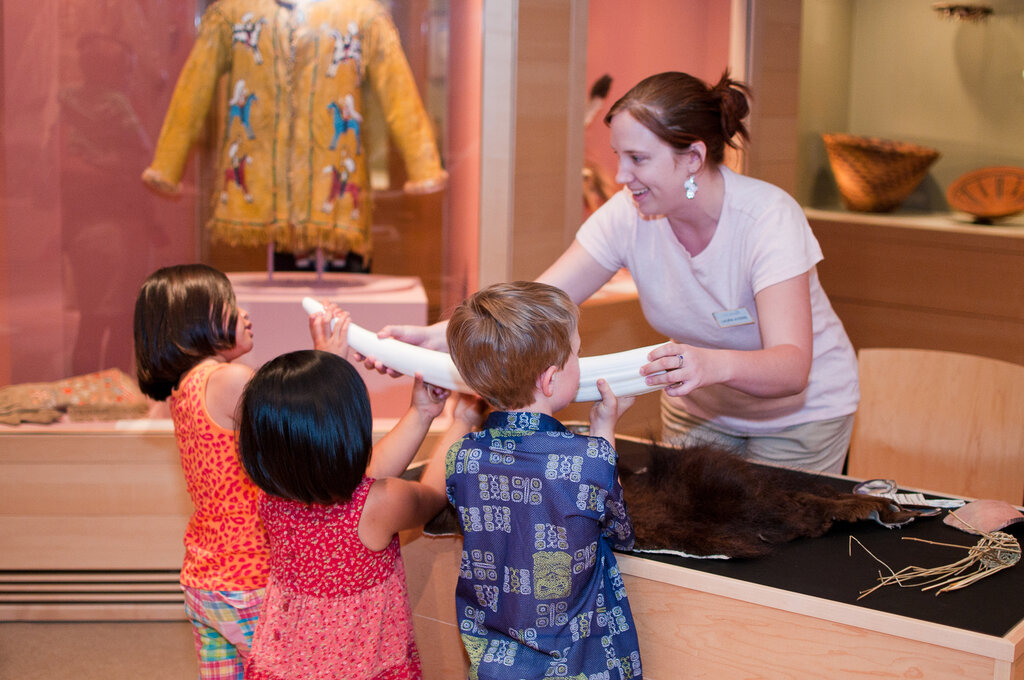
Learning and Sharing Culture
No one is born with culture. We learn it from the moment we're born. This process, called enculturation, happens as we interact with our family, friends, schools, and media. We absorb the beliefs and practices of our community, often without even realizing it.
Culture is passed down from one generation to the next. Stories, traditions, language, and knowledge are transmitted, ensuring that the culture continues. This transmission allows societies to maintain a sense of identity and continuity over time, even as they adapt and change.
A Blueprint for Society
Ultimately, culture provides a guide for social life. It gives us a set of unwritten rules for how to interact with others, how to interpret their behavior, and what to expect from different social situations. It tells us whether to shake hands or bow, how to dress for a wedding, and how to treat our elders.
By providing a shared framework of meaning, culture allows people to live together in an organized way. It turns a simple collection of individuals into a cohesive society, giving people a sense of belonging and a common purpose.
Ready to check your understanding?
The process by which individuals learn the beliefs, values, and practices of their community from birth is known as:
Which of the following is the best analogy for culture, as described in the text?
Understanding these foundational elements is the first step in exploring how societies function and evolve.