The Division of Korea
Korean Peninsula Before 1945
An Era of Occupation
For centuries, Korea existed as a unified kingdom, most recently under the Joseon dynasty. But by the early 20th century, its powerful neighbor, Japan, was rapidly expanding its empire. After years of increasing influence and political maneuvering, Japan formally annexed Korea in 1910, bringing an end to centuries of Korean self-rule.
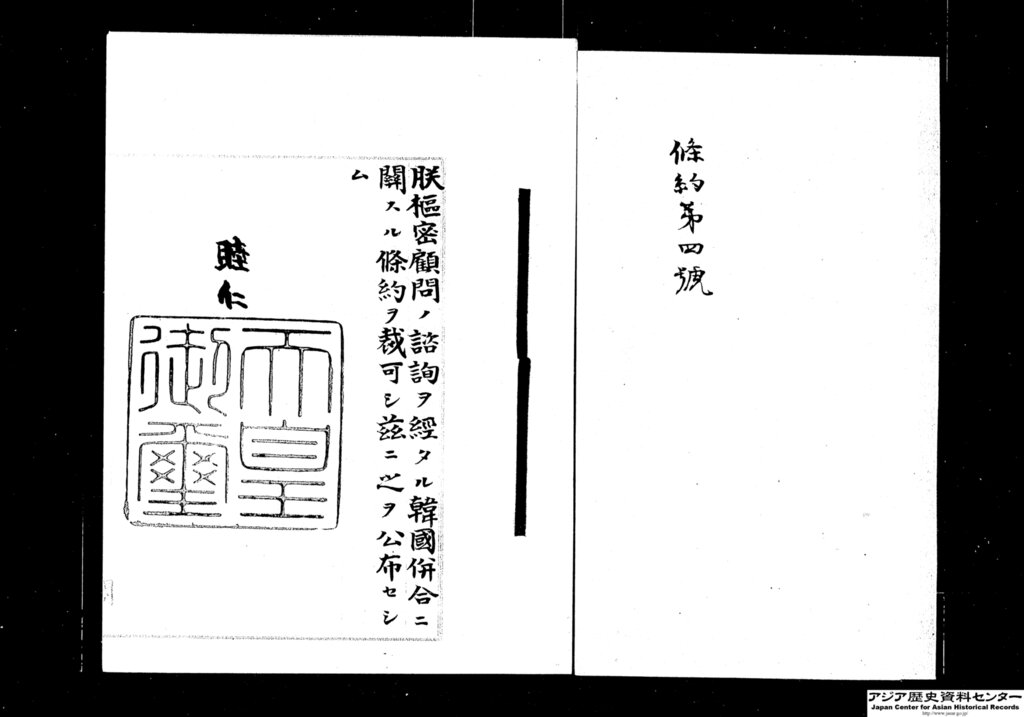
Japanese colonial rule was systematic and transformative. The Japanese administration built modern infrastructure, including railways and ports, but these developments were designed primarily to serve Japan's economic and military interests. They facilitated the extraction of Korea's resources—like rice, timber, and minerals—which were shipped to Japan to fuel its industrial growth. Korean farmers were often forced off their land, and Korean laborers were conscripted to work in Japanese factories and mines, often under harsh conditions.
This economic exploitation created a system where Korea's development was directly tied to the benefit of the colonizer, not its own people.
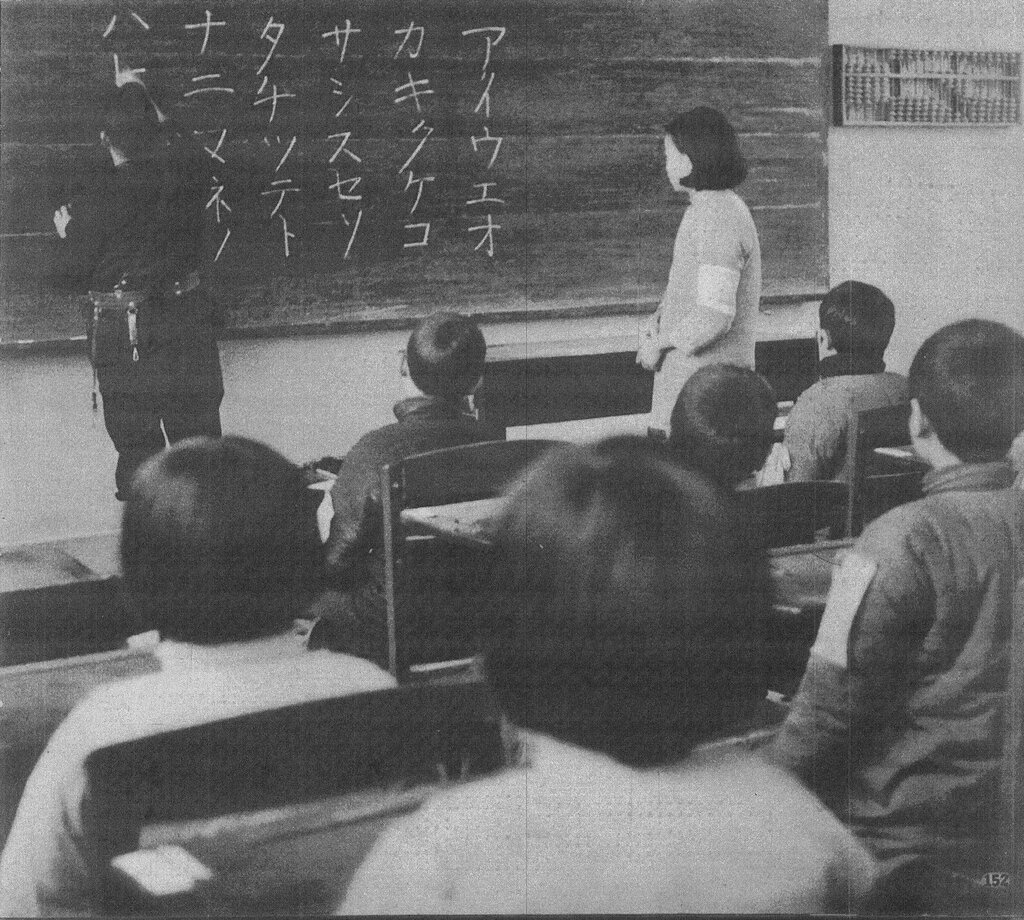
The occupation went far beyond economics. Japan implemented a policy of cultural assimilation aimed at erasing Korean identity. The Korean language was suppressed in schools and official settings, replaced by Japanese. Koreans were eventually forced to adopt Japanese-style names, a deeply personal and humiliating demand that struck at the heart of family and heritage. Shinto, the state religion of Japan, was promoted, and Koreans were required to show reverence to the Japanese emperor.
The Independence Movement
Despite the oppressive conditions, Korean resistance never disappeared. The desire for independence simmered beneath the surface and erupted on March 1, 1919. Inspired by U.S. President Woodrow Wilson's call for self-determination after World War I, millions of Koreans across the country participated in peaceful protests, demanding their freedom.
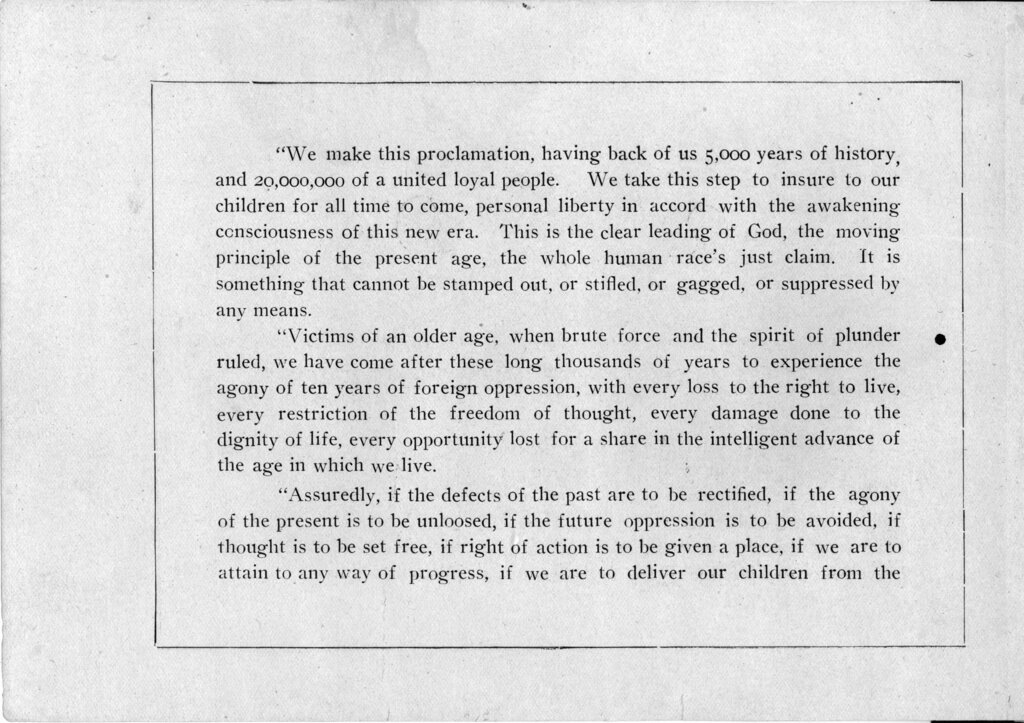
The Japanese response to the March 1st Movement was swift and brutal. Thousands of peaceful protesters were killed, and tens of thousands were arrested. Although the uprising was suppressed, it was a pivotal moment. It strengthened Korean nationalism and demonstrated to the world the people's unwavering desire for sovereignty.
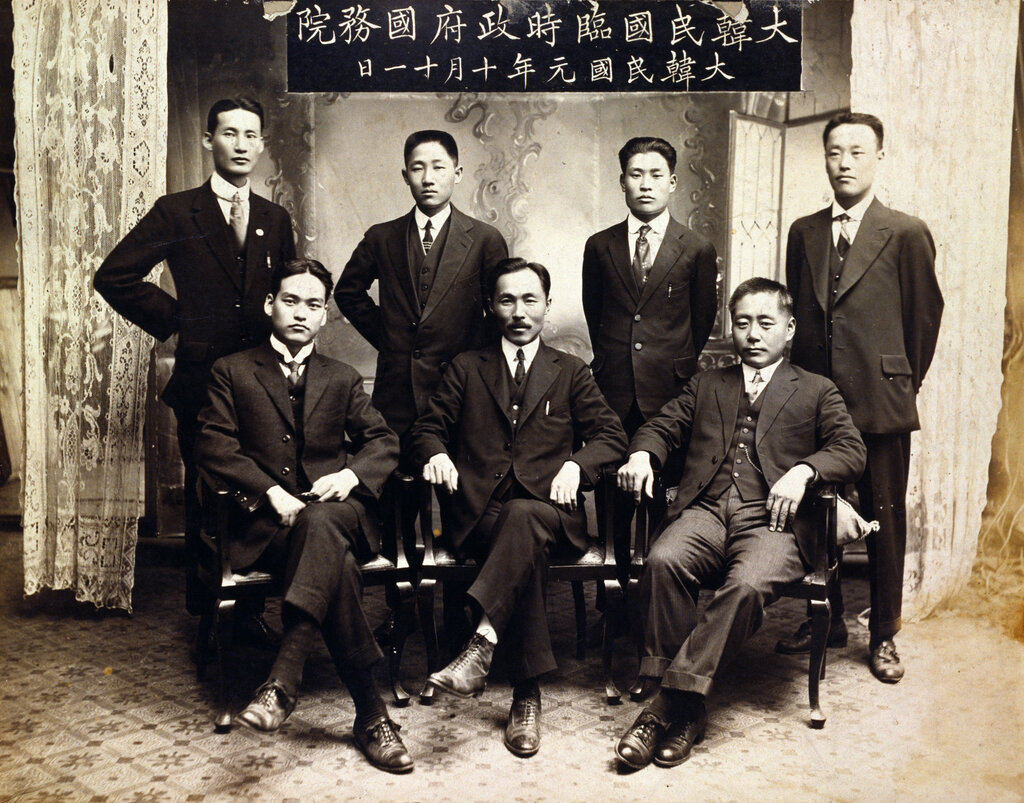
The crackdown also forced the independence movement to evolve. Leaders who escaped arrest fled to other countries, establishing a Provisional Government of the Republic of Korea in Shanghai, China. From there, they coordinated diplomatic efforts and organized armed resistance against Japanese forces for decades.
For 35 years, Koreans lived under colonial rule, a period of economic exploitation and cultural suppression. Yet, it was also an era that forged a powerful, unified sense of national identity and a relentless drive for independence. This struggle set the stage for the dramatic events that would unfold after Japan's defeat in 1945.