The Divine Mango of Wisdom
Introduction to Hindu Mythology
A Living Library of Stories
Hindu mythology isn't a collection of dusty old tales. It's a vast, living library of stories that have shaped culture, philosophy, and art on the Indian subcontinent for thousands of years. These narratives explore the biggest questions of life: duty, desire, righteousness, and the nature of reality itself. They feature a sprawling cast of gods, goddesses, heroes, demons, and celestial beings.
Unlike some mythologies with a single, linear story, Hindu myths are a web of interconnected tales found in texts like the Vedas, the Puranas, and the great epics, the Ramayana and Mahabharata. These stories are not just for entertainment; they are vehicles for teaching spiritual and ethical lessons, often retold and reinterpreted from one generation to the next.
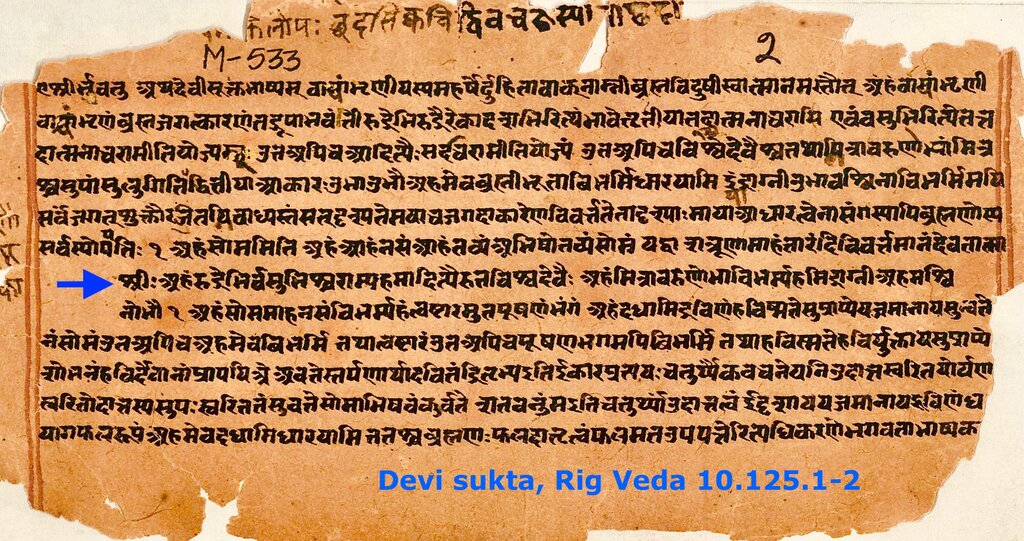
A Divine Family
While the Hindu pantheon includes countless deities, many stories revolve around a few central figures. One of the most important is Shiva, often called the destroyer. This title can be misleading. Shiva's role is to destroy illusion and imperfection to pave the way for new creation, making him a god of transformation.
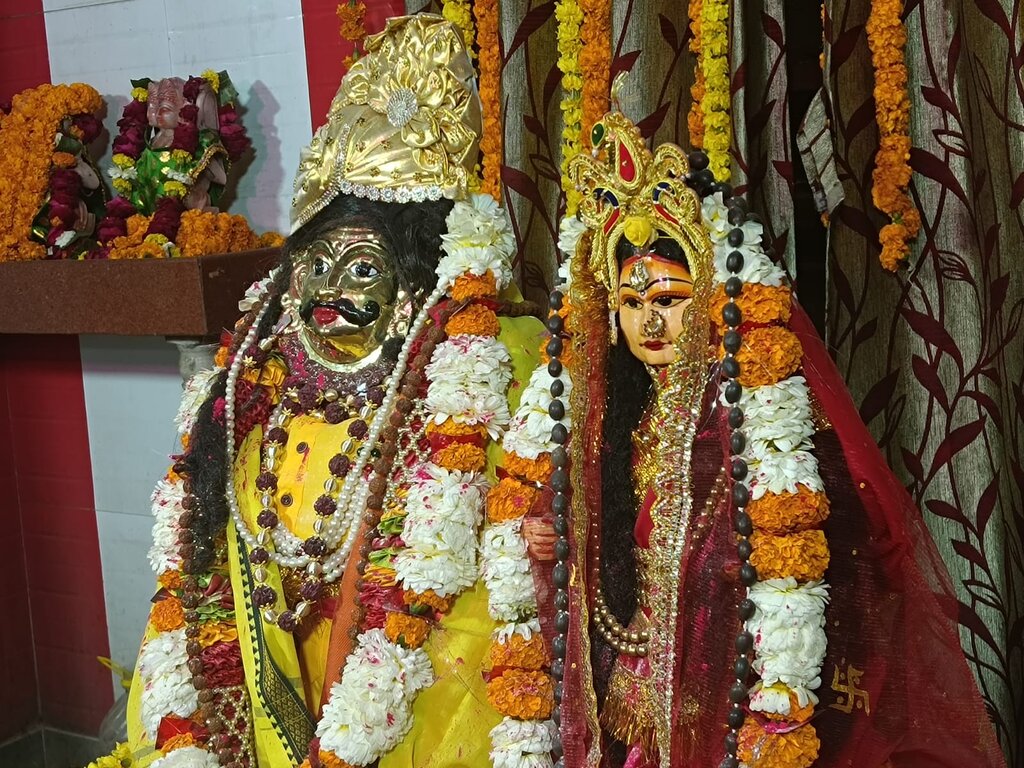
Shiva’s divine consort is Parvati, a goddess of love, fertility, and devotion. She is a powerful force in her own right, representing the creative energy of the universe. Together, Shiva and Parvati symbolize the balance of masculine and feminine power, the cosmic dance of creation and destruction.
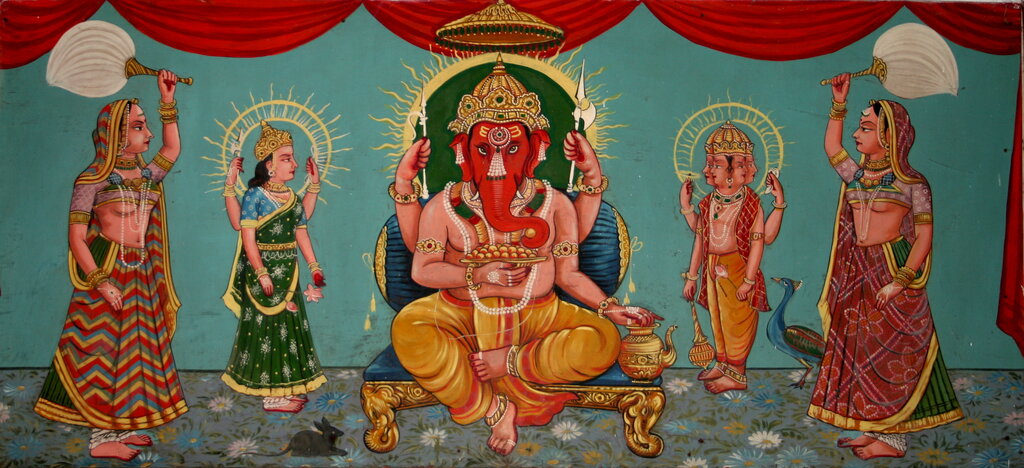
They have two famous sons: Ganesha and Murugan.
Ganesha, with his iconic elephant head, is one of the most beloved deities. He is known as the remover of obstacles and the god of new beginnings. Devotees often pray to him before starting any new venture, from a journey to a business.
Murugan, also known as Kartikeya or Skanda, is the god of war and victory. He is often depicted as a youthful, handsome warrior who vanquishes evil forces. He represents courage, strength, and the pursuit of knowledge.
Objects of Power
Hindu myths are filled with divine objects—weapons, jewels, and even foods that possess extraordinary powers. These aren't just props; they often serve as catalysts for the story, testing the character of gods and mortals alike.
A divine weapon might grant invincibility, a jewel might bestow eternal youth, or a simple fruit could hold the ultimate wisdom of the universe. The quest to obtain, protect, or understand these objects drives many of the most famous legends.
These items represent concentrated forms of divine power or knowledge. How a character interacts with such an object reveals their virtues, flaws, and ultimate destiny. They create challenges and force difficult choices, leading to profound lessons about wisdom, desire, and sacrifice.
Ready to check your understanding?
According to the text, what is a primary function of Hindu myths?
Shiva's role as the "destroyer" primarily refers to the destruction of what?
Understanding this divine family and the role of powerful objects sets the stage for many captivating tales.