The Declaration of Independence Explained
Colonial America
Life in the Thirteen Colonies
Before there was a United States, there were thirteen British colonies stretched along the Atlantic coast. Life was a mix of British tradition and American invention. People were subjects of the King, but the 3,000 miles of ocean separating them from London created a unique way of life. Understanding this world is key to understanding why they eventually chose a different path.
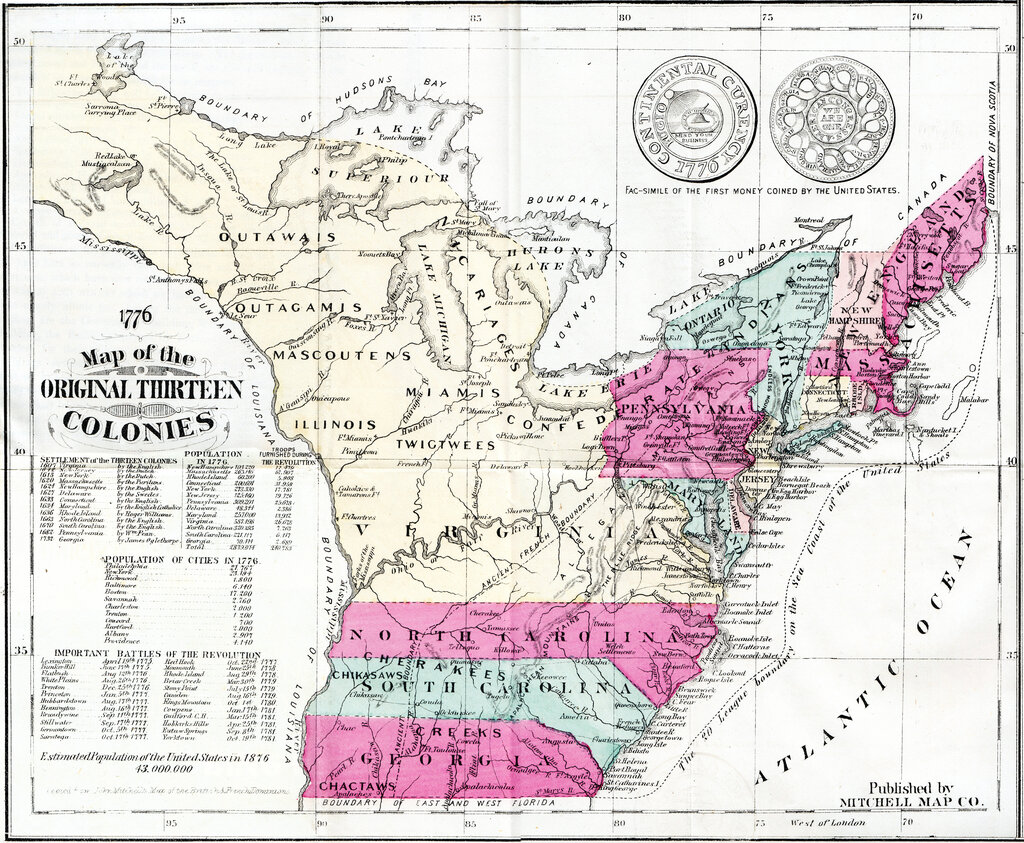
Each colony had its own government, but they generally followed a similar pattern. At the top was a governor, usually appointed by the King of England. He had a council of advisors, also typically appointed. The most direct link between the people and their government was the colonial assembly. These bodies were made up of representatives elected by land-owning white men. They had the power to pass laws, set taxes, and decide how local money was spent. While Britain held ultimate authority, the colonies often managed their own daily affairs.
This hands-off approach from Britain, often called salutary neglect, allowed the colonies to develop a strong tradition of self-government.
A Colonial Economy
The colonial economy was built on a system called mercantilism. The basic idea was that colonies existed to make the mother country, Great Britain, wealthy and powerful. The colonies were a source of raw materials that Britain couldn't produce itself, and they were also a captive market for British manufactured goods.
Mercantilism
noun
An economic policy where nations try to increase their wealth by obtaining large amounts of gold and silver and by selling more goods than they buy. Colonies were central to this strategy.
This system shaped the economies of the three main colonial regions in very different ways.
New England had rocky soil and long winters, which made large-scale farming difficult. Its economy was based on the sea: fishing, whaling, and shipbuilding became major industries. Boston grew into a bustling port, connecting the colonies in a triangular trade route with Africa, the West Indies, and Europe.
The Middle Colonies, including New York and Pennsylvania, were known as the “breadbasket” of colonial America. With fertile soil and a milder climate, they produced huge surpluses of wheat, corn, and oats. This region was also the most ethnically and religiously diverse.
The Southern Colonies had a warm climate and rich soil ideal for agriculture. Their economy revolved around large plantations growing cash crops like tobacco in Virginia and rice and indigo in South Carolina. This system was heavily dependent on the labor of enslaved Africans, who formed a significant portion of the population.
Society and Daily Life
Colonial society was highly stratified. Your place in the world was largely determined by your wealth, race, and gender. At the top were the gentry—wealthy merchants, lawyers, and large landowners who modeled their lives on the English aristocracy. Below them were small farmers, artisans, and shopkeepers, who made up the majority of the population. At the bottom of the social ladder were indentured servants, who traded several years of labor for passage to America, and enslaved people, who were considered property with no rights at all.
For many colonists, owning land was the key to prosperity and freedom. It was not just a source of wealth, but also a requirement for voting and holding office in most colonies.
Religion played a central role in colonial life. While some colonies, like Massachusetts, were founded with a specific religious purpose, others, like Pennsylvania, were established as havens for religious tolerance. Protestant Christianity was dominant, but its various forms shaped the culture of each region. Churches were not just places of worship; they were community centers, schools, and public meeting halls.
The relationship between colonists and Native American tribes was complex and often fraught with conflict. As the colonial population grew, settlers pushed westward, leading to disputes over land. Trade was common, but so were wars and broken treaties. These interactions profoundly shaped the boundaries and the character of colonial America.
Which of the following best describes the economic system of mercantilism as it applied to the British colonies?
The colonial assemblies, elected by landowners, had the power to pass local laws and set taxes.
This unique blend of British heritage, local self-government, and diverse economies created a distinct colonial identity, setting the stage for the dramatic events to come.