The Dawn of Protest Music
Introduction to Early Protest Music
What Makes a Song a Protest?
At its heart, protest music is a tool. It’s music with a mission, created to support a social or political movement. Unlike a song that just happens to be sad or angry, a protest song is written to persuade listeners, build solidarity, or call people to action. It gives a voice to those who feel unheard and turns complex ideas into something memorable and powerful.
These songs don't just reflect history; they actively try to shape it. They are characterized by clear, direct language and often use simple, familiar melodies that are easy for crowds to learn and sing together.
Protest Song
noun
A song that is associated with a movement for social change and part of a protest.
A World in Upheaval
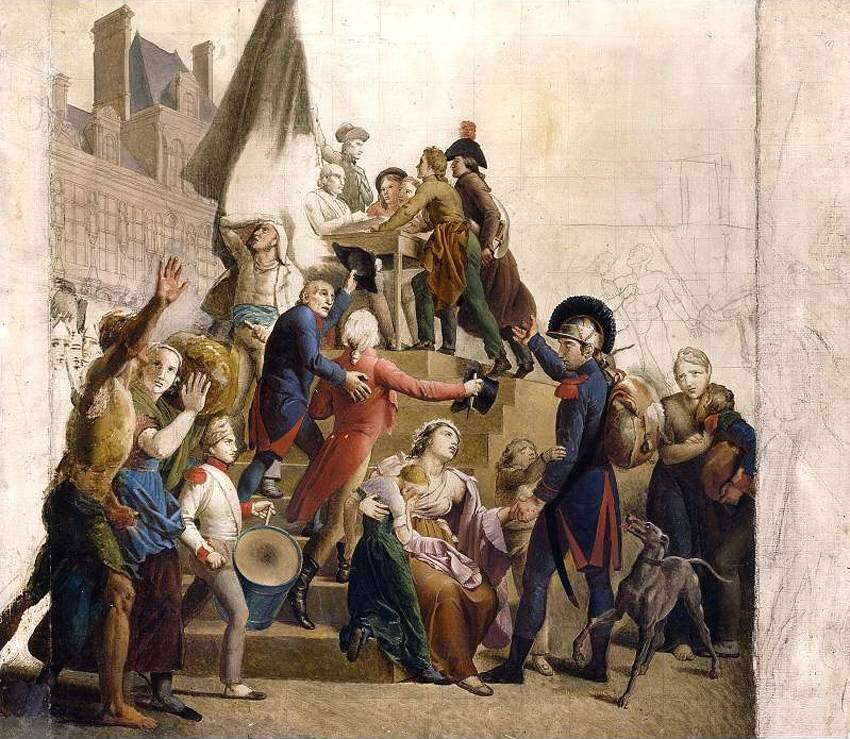
The 17th and 18th centuries were a time of intense change and conflict in Europe and the Americas. This era saw widespread religious wars, the colonization of new lands, and the brutal expansion of the transatlantic slave trade. At the same time, a growing merchant class was challenging the old aristocratic order, and new ideas about individual rights and liberty were beginning to take hold.
These weren't abstract debates. For ordinary people, these shifts meant economic hardship, loss of land, religious persecution, and political turmoil. In this environment, where many couldn't read or write, music became a vital channel for communication and dissent.
Music as a Message
Why was music so effective? First, it was portable and accessible. A song could travel from a city square to a remote village without a printing press. Second, its emotional power could unite people from different backgrounds. Singing together fosters a powerful sense of community and shared purpose.
A memorable melody paired with a sharp lyric could cut through the noise of official proclamations and speeches. It could simplify a complex grievance into a powerful, repeatable slogan, making it an ideal medium for spreading a political message.
| Social Condition | Musical Response |
|---|---|
| Rising bread prices & poverty | Ballads about greedy merchants |
| Unpopular wars & conscription | Songs mocking generals and kings |
| Land enclosures by the wealthy | Laments for the loss of common land |
| Revolutionary ideals | Anthems calling for liberty and rights |
From English peasants protesting the seizure of their common lands to American colonists rallying against British taxes, people used music to articulate their struggles. These early songs laid the groundwork for a rich tradition of using music to challenge power.
What is the primary function of protest music, according to the provided text?
During the 17th and 18th centuries, why was music a particularly powerful medium for spreading political messages?
This powerful link between music and social movements was not an accident. It was a practical response to the world people were living in, and a tradition that would only grow stronger in the centuries to come.