The Dawn of Play: Uncovering the First Game
Introduction to Ancient Games
The First Board Games
Long before video games or even chess, people played board games. These weren't just simple pastimes; they were woven into the fabric of ancient societies. The earliest games we've discovered come from Mesopotamia and Egypt, offering a fascinating window into their lives, beliefs, and even their ideas about death.
Senet and the Afterlife
One of the oldest known board games is Senet, from ancient Egypt, dating back to around 3100 BCE. For Egyptians, Senet was more than entertainment. It was a reflection of their journey through the underworld, known as Duat. The game board represented this path, and a player's success was thought to mirror their fate in the afterlife.
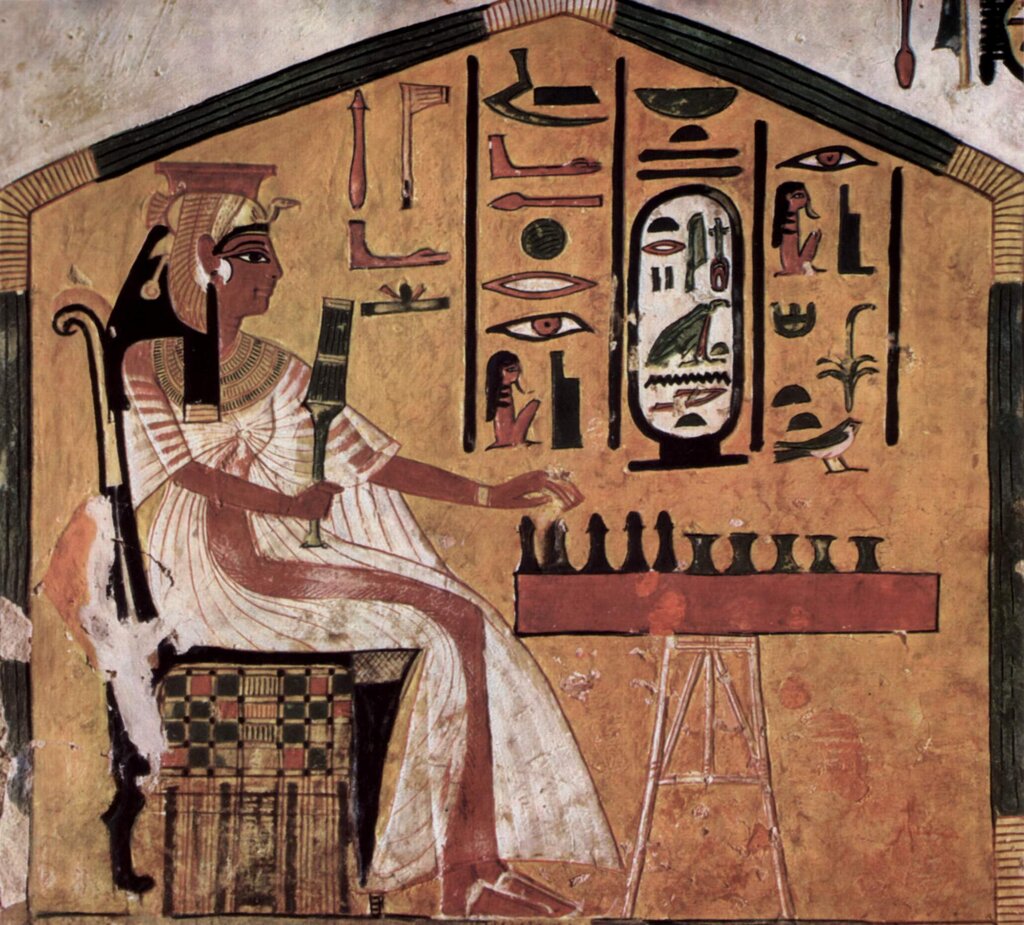
The board itself is a grid of 30 squares, arranged in three rows of ten. Players raced their set of pawns across the board, moving based on the toss of four flat sticks, which acted like dice. Certain squares, marked with hieroglyphs, held special significance. Landing on one could be a blessing, granting an extra turn, or a curse, sending a player backward or off the board entirely. The goal was to safely navigate all your pieces off the end of the board, completing the symbolic journey to the afterlife.
The Royal Game of Ur
Meanwhile, in Mesopotamia, another game was gaining popularity. The Royal Game of Ur, named for the ancient Sumerian city where the most famous boards were found, emerged around 2600 BCE. Like Senet, it was a race game, but with its own distinct board and rules.
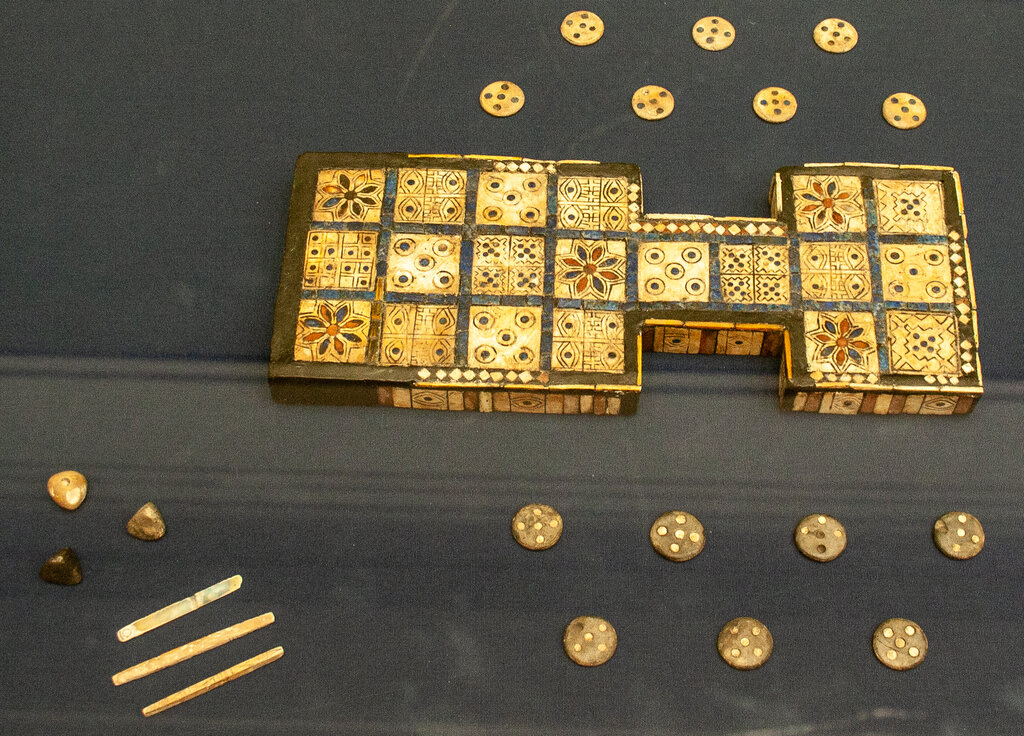
Two players would race their seven pieces along a unique path. Movement was determined by rolling four-sided, pyramid-shaped dice. The board was beautifully crafted, often from wood and inlaid with shell, bone, lapis lazuli, and red limestone. Squares marked with a rosette were special; landing on one granted the player an extra turn. For a long time, historians could only guess the rules, but a cuneiform tablet discovered later actually spelled them out, giving us a direct look at how this 4,500-year-old game was played.
Crafted for Everyone
The games found in royal tombs were exquisite works of art, made from precious materials. However, board games weren't just for the wealthy. Archaeologists have found simpler versions of Senet and other games scratched into stone floors and brick, showing that people from all walks of life enjoyed them. Whether it was a pharaoh in a palace or a guard with downtime, the challenge and fun of a good game were universal.
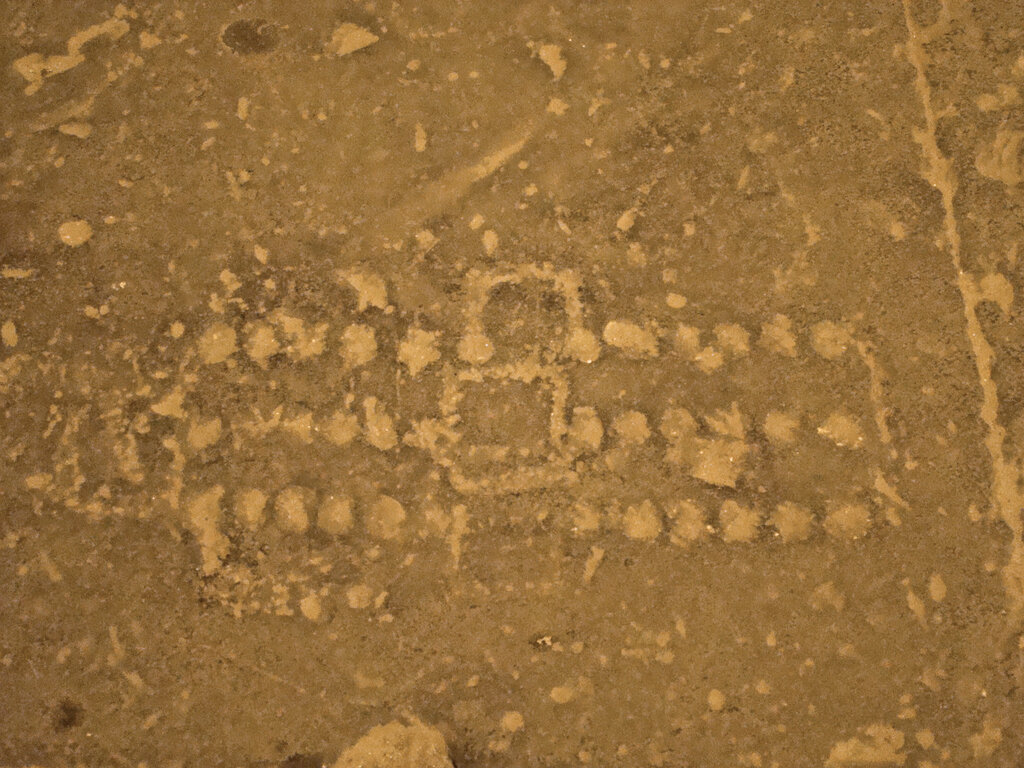
These ancient games show us that the desire to play, to strategize, and to compete is a fundamental part of human history. They were tools for socializing, for religious expression, and for simple fun.
Ready to test your knowledge?
What did the ancient Egyptian game of Senet symbolize?
How were the rules for the Royal Game of Ur rediscovered by modern historians?