The Dawn of AI
Introduction to Artificial Intelligence
What Is Artificial Intelligence?
At its heart, artificial intelligence is the science and engineering of making intelligent machines. The goal is to create systems that can perform tasks that normally require human intelligence. This includes abilities like learning from experience, understanding language, recognizing objects, solving problems, and making decisions.
Artificial Intelligence
noun
The theory and development of computer systems able to perform tasks that normally require human intelligence, such as visual perception, speech recognition, decision-making, and translation between languages.
Think about how you learn to ride a bike. You try, you fall, you adjust, and eventually, you figure it out. AI systems learn in a similar way, but instead of scraped knees, they use vast amounts of data to improve their performance over time. They are programmed not just to follow instructions, but to recognize patterns and adapt.
The core idea of AI is to simulate human thought processes in a machine, enabling it to learn, reason, and create.
More Than Just Robots
When people hear "AI," they often picture walking, talking robots from movies. While robotics is a part of AI, the field is much broader. In fact, you probably use AI every single day without even realizing it.
That movie recommendation on your streaming service? AI. The voice assistant on your phone that sets timers and answers questions? AI. The navigation app that finds the fastest route and avoids traffic? That's also AI. These systems are all examples of Artificial Narrow Intelligence (ANI), which are designed to perform a specific task very well.
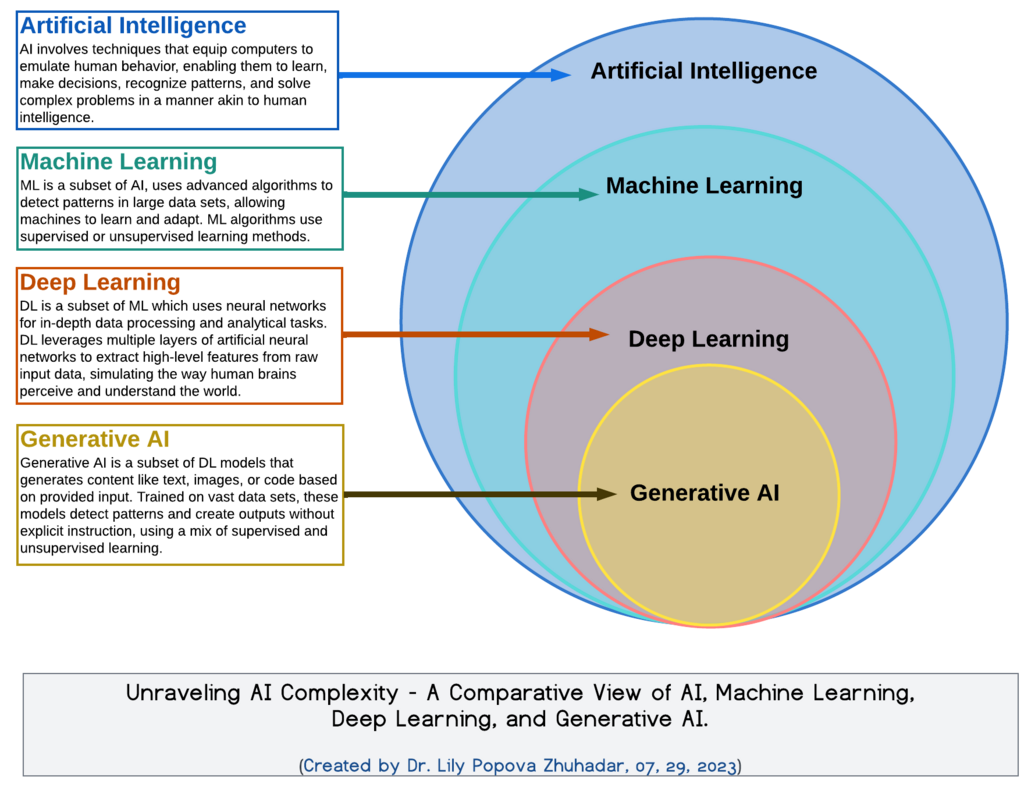
The long-term goal for many researchers is to create Artificial General Intelligence (AGI), a type of AI that could understand and learn any intellectual task that a human can. We aren't there yet, but the specialized AI we have today is already transforming the world.
Why AI Matters Now
AI is no longer a futuristic concept; it's a present-day reality with a massive impact on our society. Its importance comes from its ability to process and analyze data on a scale that is impossible for the human mind. This opens up new possibilities across countless industries.
| Industry | AI Application | Impact |
|---|---|---|
| Healthcare | Analyzing medical images to detect diseases | Earlier diagnosis and more accurate treatment plans |
| Finance | Monitoring transactions for fraudulent activity | Increased security and prevention of financial loss |
| Transportation | Developing self-driving vehicles | Potential for safer roads and more efficient travel |
| Entertainment | Creating personalized content recommendations | More engaging user experiences |
| Customer Service | Using chatbots to answer common questions | 24/7 support and faster response times |
By automating complex tasks and providing deep insights from data, AI helps us solve some of the world's most challenging problems. It's a powerful tool that augments human capabilities, making us more efficient, creative, and informed.
Artificial intelligence (AI) is a wide-ranging tool that enables people to rethink how we integrate information, analyze data, and use the resulting insights to improve decision making—and already it is transforming every walk of life.
This ability to learn, adapt, and operate at scale is what makes AI so significant today. Understanding its fundamental concepts is the first step toward appreciating how it all began.