The Data Center Business Model Demystified
Data Center Fundamentals
The Brains of the Digital World
Every time you stream a movie, send an email, or use an app, you’re connecting to a data center. Think of it as a specialized building that houses the digital foundation of our modern world. It’s a physical place filled with computers that store, process, and share information.
The essential function of a data center is to store, process, and transmit data.
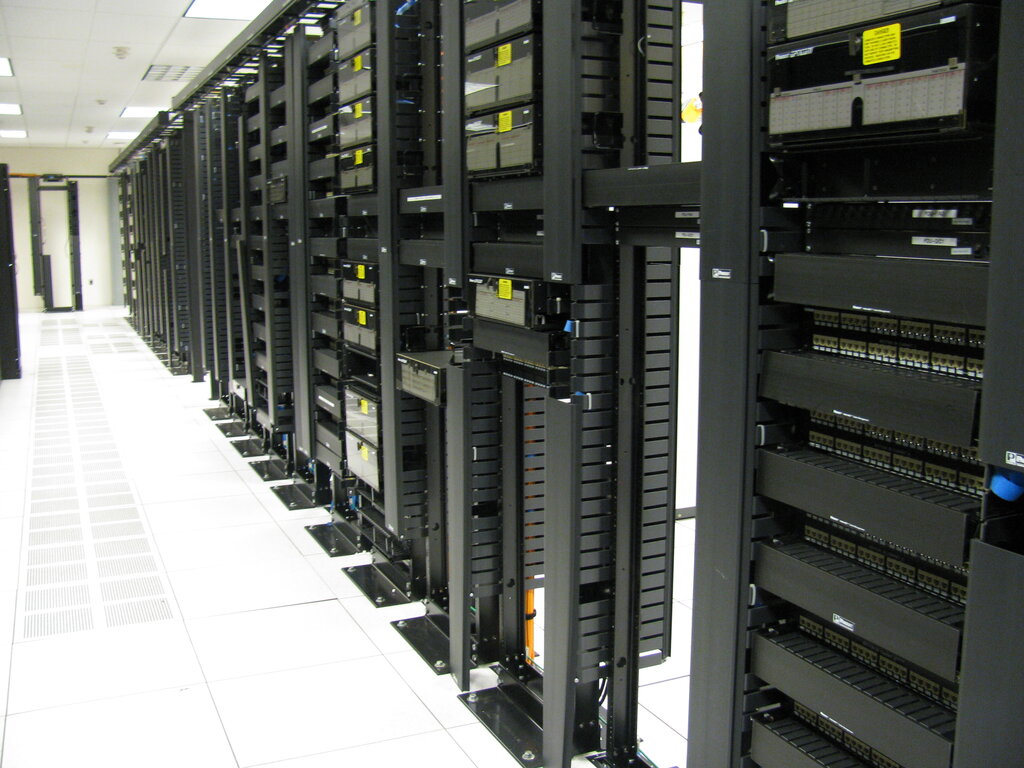
Inside, you'll find rows upon rows of servers and other computer equipment, all working together around the clock. These facilities are the engines that power websites, cloud services, and corporate networks. Without them, the internet as we know it simply wouldn't exist.
Different Facilities for Different Needs
Not all data centers are created equal. They come in different sizes and serve different purposes, generally falling into one of three categories.
Enterprise Data Centers: These are owned and operated by a single company for its own internal use. It's like a company building its own private office campus instead of renting space.
Colocation Data Centers: Think of these as co-working spaces for servers. A provider builds the facility and rents out space, power, and cooling to multiple businesses. Each company brings in its own servers and manages them, while the colocation provider handles the building itself.
Hyperscale Data Centers: These are massive facilities built on an enormous scale, usually by tech giants like Amazon, Google, or Microsoft. They are custom-designed to support huge cloud computing and data processing needs for a global user base.
| Type | Owned By | Used By | Scale |
|---|---|---|---|
| Enterprise | A single company | That same company | Small to large |
| Colocation | Colocation provider | Multiple companies (tenants) | Large |
| Hyperscale | A single tech giant | That company & its customers | Massive |
The Core Components
While the scale can vary, the core components inside any data center are fundamentally the same. These are the building blocks of computing.
Server
noun
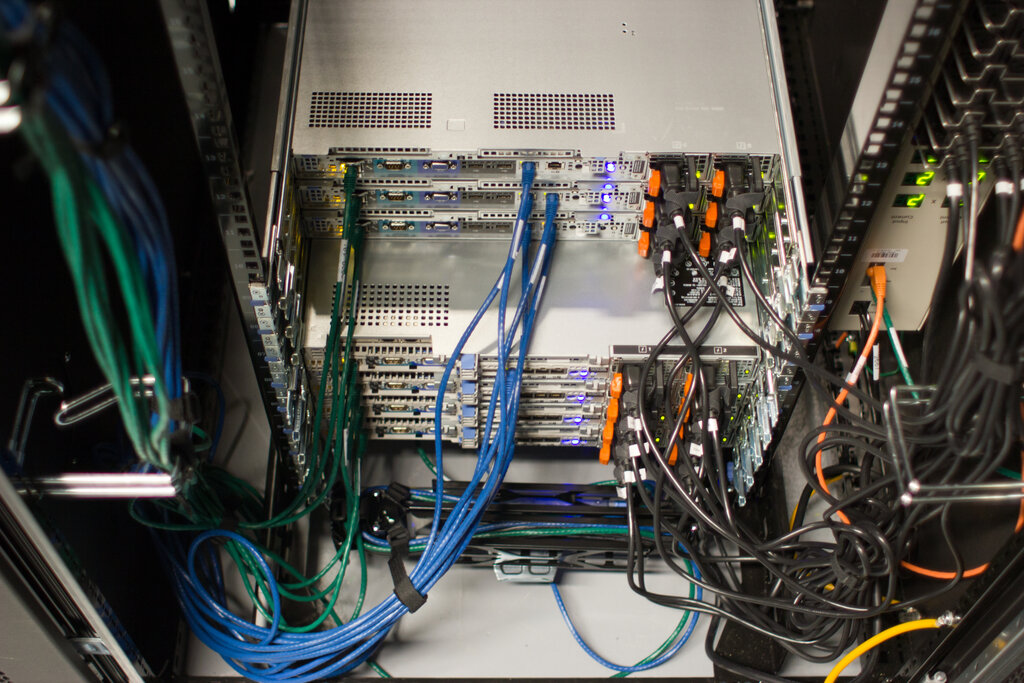
A powerful computer that provides services, runs applications, and processes data. In a data center, they are typically mounted in tall racks.
Next is storage, where the actual data lives. This includes everything from hard disk drives (HDDs) to faster solid-state drives (SSDs), all designed to hold vast amounts of information securely.
Finally, networking equipment ties everything together. Routers, switches, and fiber optic cables act as the central nervous system, directing traffic between servers, storage systems, and the outside world.
Keeping It Running
All of this equipment generates a tremendous amount of heat and consumes a lot of electricity. That's why two of the most critical parts of any data center aren't the computers themselves, but the infrastructure that supports them.
Power and cooling systems help maintain the operational efficiency and reliability of data centers.
Power systems provide clean, uninterrupted electricity. This includes everything from connections to the main electrical grid to backup generators and uninterruptible power supplies (UPS) that can keep the facility online during an outage.
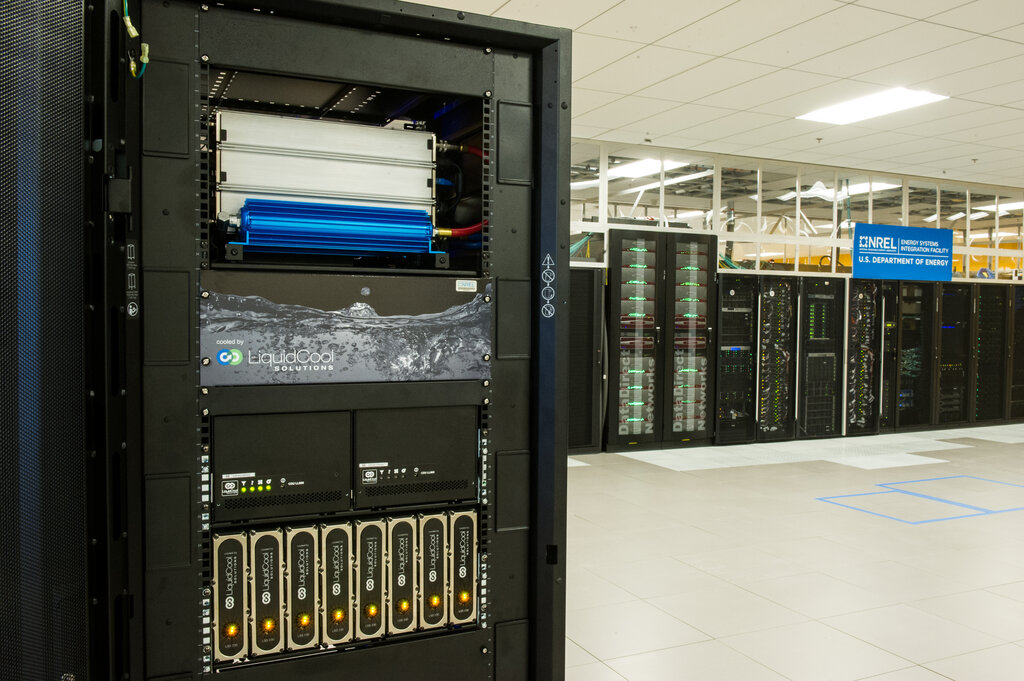
Cooling systems are just as important. Computers running 24/7 produce intense heat that can cause equipment to fail. Data centers use sophisticated air conditioning systems, and sometimes even liquid cooling, to maintain a constant, optimal temperature.
Together, these components form the backbone of our digital lives, working silently in the background to deliver the data we rely on every day.