The Data Analyst Role Unveiled
Introduction to Data Analysis
What Is Data Analysis?
At its core, data analysis is the process of inspecting, cleaning, transforming, and modeling data to discover useful information, inform conclusions, and support decision-making. Think of it like being a detective. You gather clues (data), look for patterns, and piece them together to solve a mystery.
Every day, we create enormous amounts of data. Every online purchase, social media post, and even your daily commute generates information. By itself, this raw data is just noise. Data analysis provides the tools to turn that noise into a clear signal.
Data analysis
noun
A process of inspecting, cleansing, transforming, and modeling data with the goal of discovering useful information, informing conclusions, and supporting decision-making.
Why It Matters
Guesswork can be expensive. Businesses used to rely on intuition or past experience to make decisions, which was often a hit-or-miss approach. Data analysis changes the game by enabling decisions based on evidence, not just gut feelings.
For example, a retail company can analyze purchasing history to understand which products are frequently bought together and create targeted promotions. Streaming services analyze your viewing habits to recommend movies you'll likely enjoy, keeping you engaged. In healthcare, analyzing patient data can help identify risk factors for diseases and improve treatments.
Data analysis helps you move from asking "What do we think?" to knowing "What does the data show?"
By understanding what has happened and why, organizations can better predict what might happen in the future and plan accordingly. This leads to more efficient operations, better products, and happier customers.
The Data Analysis Journey
Data analysis isn't a single action but a structured process. While the specifics can vary depending on the goal, the journey generally follows a clear path from raw data to actionable insight.
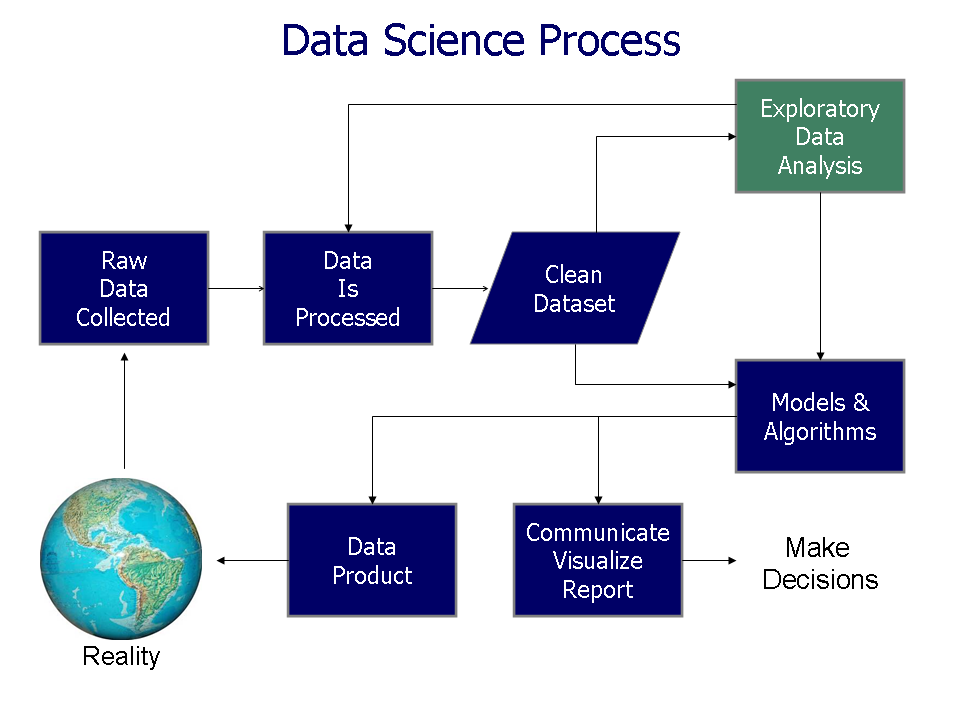
This process ensures that the conclusions drawn are reliable and based on a solid foundation. Here are the typical stages:
1. Data Collection: This is the starting point. Data is gathered from various sources, such as surveys, databases, website interactions, or sensors.
2. Data Cleaning: Raw data is often messy. It might have errors, duplicates, or missing values. This step involves tidying it up to ensure the quality of the analysis.
3. Data Analysis: Here's where the discovery happens. An analyst explores the clean data, looking for patterns, relationships, and trends. This is the core phase of extracting insights.
4. Interpretation & Communication: The findings are translated into a compelling story. Results are often presented through charts, graphs, and reports to help stakeholders understand the insights and make informed decisions.
With a solid understanding of what data analysis is, why it's important, and the process it follows, you're ready to explore this field further.
What is the primary purpose of data analysis?
A dataset of customer purchases contains duplicate entries and is missing a customer's state in several rows. Which stage of the data analysis process addresses these issues?