The Darvas Box Strategy
Introduction to Darvas Box
The Dancer's System
Imagine being one half of the highest-paid dance duo in the world, touring packed theaters from Paris to Tokyo. Now, imagine using your spare time to make $2 million in the stock market, starting with just $10,000. That's the story of Nicolas Darvas.
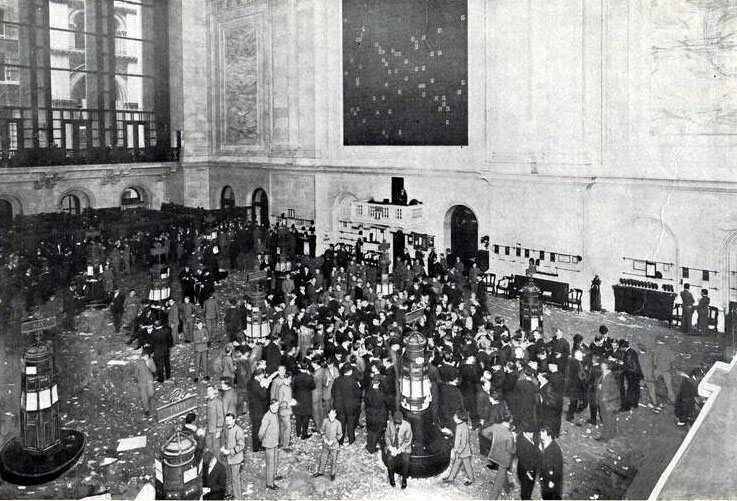
Darvas wasn't a Wall Street insider. He was a professional ballroom dancer who developed his trading system in the 1950s using nothing but telegrams and the weekly newspaper Barron's. He couldn't watch the market tick by tick, so he created a method that relied on clear, simple rules based on stock prices alone.
His core idea was straightforward: focus on stocks that were already performing well. He looked for companies hitting new 52-week highs, believing that momentum would carry them even higher. He wasn't interested in buying cheap, beaten-down stocks. He wanted to ride the wave of a rising star.
Thinking Inside the Box
The key to his method was a concept he called the 'box'. A Darvas Box isn't a physical object, but a way to visualize a stock's price movement.
When a stock hits a new high, its price often pulls back and then bounces around within a narrow range for a while. This range forms a temporary ceiling (the high) and a floor (the low). This price range is the box.
Darvas would watch a stock's price create this box. The top of the box was defined by the highest price the stock reached after its initial surge. The bottom was the lowest point it fell to during this consolidation period. He would only consider buying the stock if it 'broke out' of the box, meaning its price rose above the ceiling.
A breakout signaled to him that the stock's upward momentum was resuming. If the price instead fell below the box's floor, it was a sign of weakness, and he would stay away or sell if he already owned it. This simple framework provided him with clear entry and exit points, which was essential for a trader managing his portfolio via telegrams from thousands of miles away.
Let's check your understanding of the basics.
What was Nicolas Darvas's primary profession while he was developing his famous trading system?
Darvas's core strategy was to buy stocks that were inexpensive and overlooked by the market.
This method is a fascinating example of how a disciplined, logical approach can be applied to the markets, even without modern technology.