The Danish Education System Explained
Early Childhood Education
The Danish Start
In Denmark, education and care begin long before formal schooling. The system is designed to support children and families from a very young age. Nearly all Danish children attend some form of early childhood program before they start primary school.
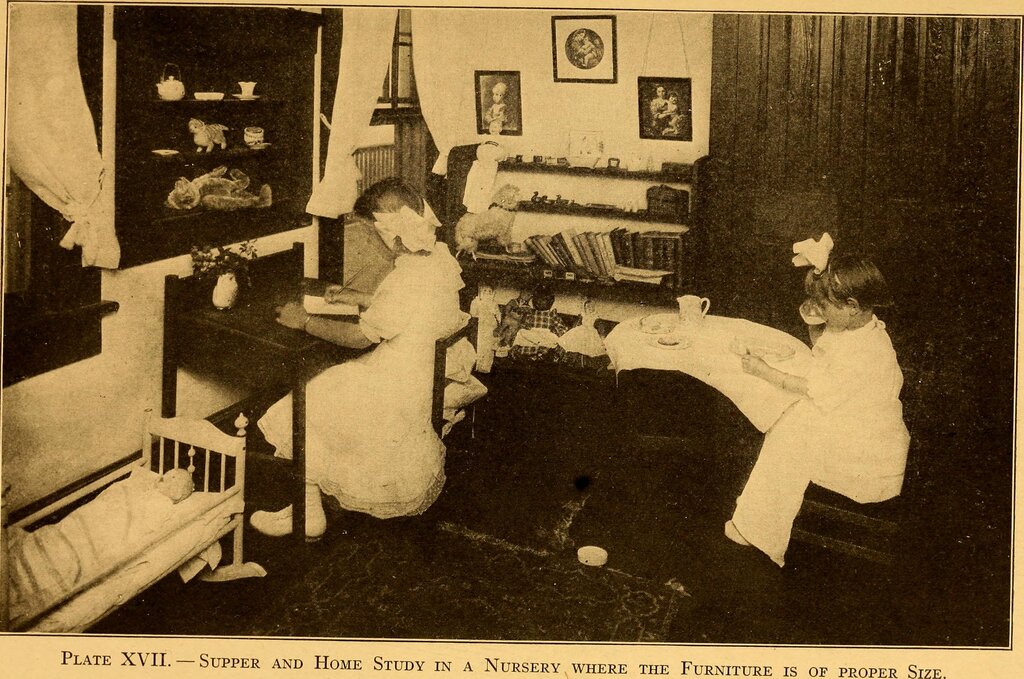
This journey starts in a vuggestue, or nursery, which cares for children from about six months to three years old. From age three to six, children transition to a børnehave, which is the Danish equivalent of kindergarten or preschool. These institutions are not just about babysitting; they are the first step in a child's social and personal development.
Learning Through Play
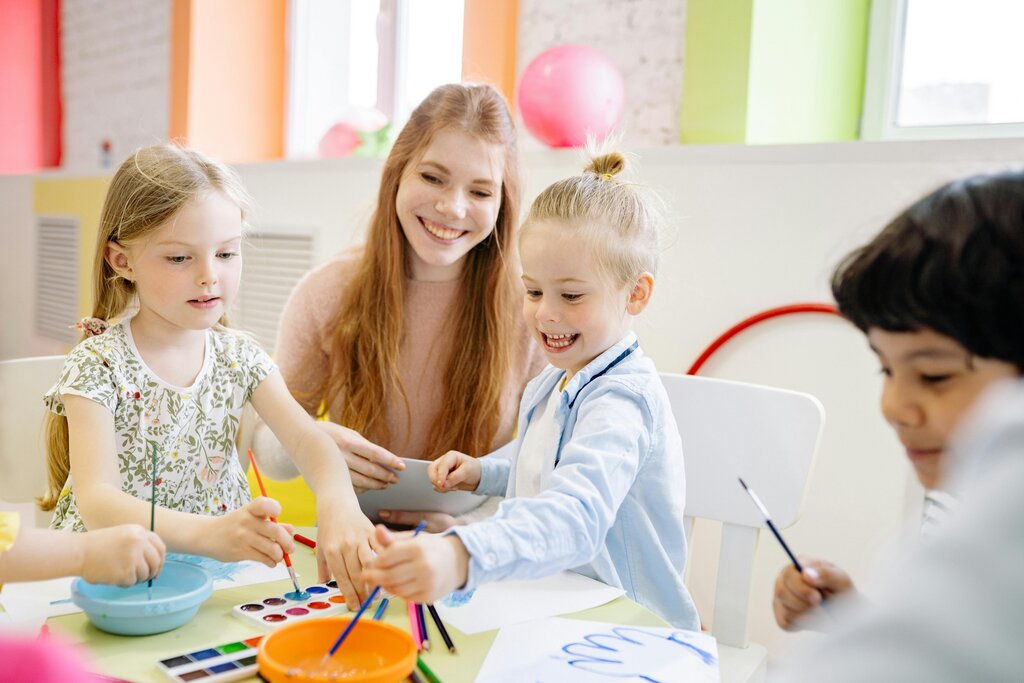
The core philosophy of Danish early education is learning through play. You won't find young children sitting at desks memorizing letters or numbers. Instead, the focus is on developing the whole child. Classrooms are filled with activities that encourage creativity, curiosity, and collaboration.
Social skills are a top priority. Children learn how to share, negotiate with friends, and resolve conflicts. They learn to understand their own feelings and recognize the feelings of others. A typical day might involve building a complex structure with blocks as a team, creating a group story, or taking care of a classroom pet. These activities teach valuable life lessons about teamwork and empathy.
Independence is also a key goal. From a young age, children are encouraged to dress themselves, pour their own water, and help tidy up. This fosters a sense of competence and self-reliance.
The professionals who guide this process are called pædagoger, or pedagogues. They are highly trained educators with degrees in social pedagogy. Their role is not to lecture, but to create a safe and stimulating environment where children can explore and learn at their own pace. They observe, guide, and support children's natural development.
The Great Outdoors
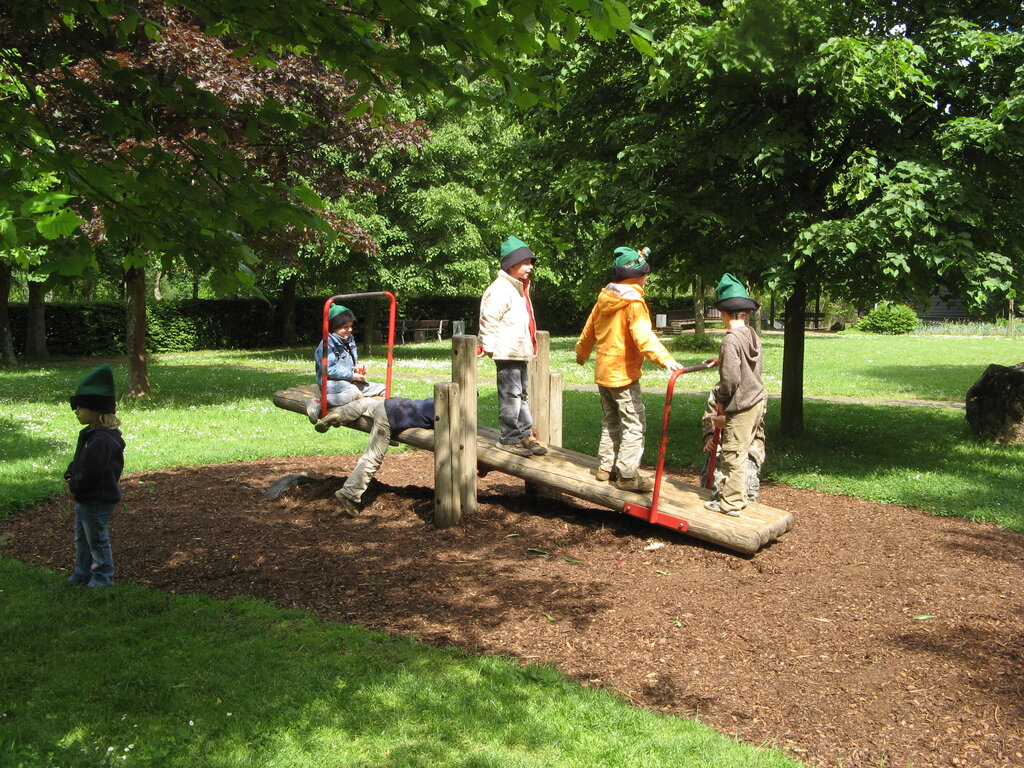
Danes believe there is no such thing as bad weather, only unsuitable clothing. This idea is central to early childhood education, where outdoor activity is a daily requirement. Children play outside in sunshine, rain, and snow, which helps build physical resilience and an appreciation for nature.
Some centers are even designated as skovbørnehaver, or "forest kindergartens." In these programs, children spend most, if not all, of their day in a natural environment like a forest or a park. They learn about plants and animals, build shelters, and climb trees. This approach develops motor skills, risk assessment, and a deep connection to the natural world.
By the time Danish children enter formal schooling at age six, they have a strong foundation in social interaction, independence, and creative problem-solving. They are viewed as competent and capable individuals, ready for the next stage of their learning journey.
Ready to check your understanding?
What is the primary focus of Danish early childhood education?
The Danish term for a nursery caring for children from about six months to three years old is ____________.