The Czech Supreme Audit Office
Introduction to Public Financial Control
Watching the Public's Wallet
Governments collect money, mostly through taxes, and spend it on public services like roads, schools, and healthcare. Public financial control is the system of rules and processes that ensures this money is managed responsibly. Think of it as the government's conscience and calculator, constantly checking if funds are being used legally, efficiently, and for their intended purpose.
At its core, this system is about trust. When you pay taxes, you trust that your money will be used to benefit the community. Financial controls are the mechanisms that uphold that trust, making sure public funds aren't wasted, misused, or lost to corruption.
The main goal is to ensure that every dollar collected from the public is spent wisely and achieves its intended goal.
Core Principles
Two fundamental principles guide public financial control: transparency and accountability.
Transparency
noun
The practice of making information about public finances open and accessible. It means citizens can see how the government is raising and spending money.
Transparency is achieved through public budgets, financial reports, and open data portals. When you can easily look up how much your local government spent on a new park, that's transparency at work. It allows journalists, watchdog groups, and ordinary citizens to scrutinize public spending.
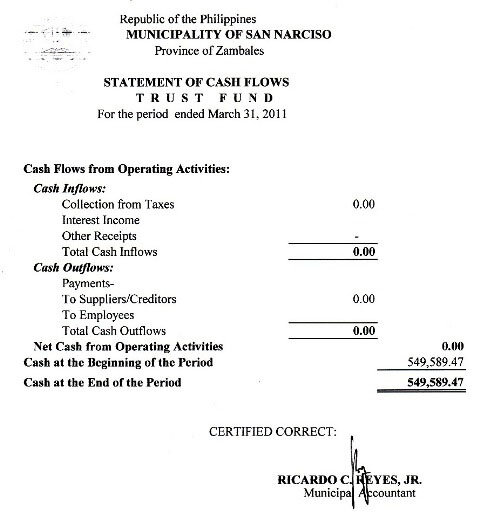
Accountability is the natural consequence of transparency. It means that public officials are answerable for their financial decisions. If money is mismanaged or rules are broken, there must be a way to hold the responsible parties to account. This could involve anything from policy changes to legal action. Accountability ensures there are consequences for poor financial stewardship, encouraging officials to act in the public's best interest.
The Financial Management Cycle
Public financial management isn't a one-time event; it's a continuous cycle that repeats every year. This system ensures that the use of public funds is planned, monitored, and evaluated systematically.
This cycle forms the backbone of public finance. It starts with planning the budget, moves to the active spending of money, is followed by reporting on what happened, and concludes with an audit to check everything. The findings from the audit then provide valuable lessons for the next budget cycle, creating a loop of continuous improvement.
What is the primary purpose of public financial control?
A city government publishing its detailed annual budget online for anyone to view is a direct example of which principle?
This framework of control, transparency, and accountability is essential for a well-functioning government and maintaining public confidence.