The Cultural Lens of Sexy
Defining 'Sexy'
What is 'Sexy'?
The word 'sexy' seems straightforward, but it's one of the most fluid and subjective terms we use. At its core, it describes a quality that arouses sexual interest. Yet, what one person finds sexy, another might not notice at all. The concept isn't fixed; it's a moving target shaped by culture, media, and our own unique lives.
sexy
adjective
Sexually interesting or exciting; radiating sexuality.
Understanding 'sexy' means looking beyond a simple dictionary definition. It's a complex blend of physical appearance, personality, confidence, and context. Let's unpack the powerful forces that mold our ideas of what it means to be sexy.
Culture's Lens
Culture provides the first and most powerful lens through which we view attractiveness. What's considered sexy varies dramatically across the globe and throughout history. In many West African cultures, for example, fuller figures have historically been celebrated as signs of health, fertility, and prosperity. In contrast, many East Asian cultures have traditionally valued delicate features and a slender build.
Time plays a role, too. In 17th-century Europe, paintings by artists like Peter Paul Rubens glorified pale skin and rounded bodies. Fast forward to the 1920s in the West, and the ideal shifted to the thin, androgynous 'flapper' silhouette. These aren't just fashion trends; they reflect deep-seated cultural values about health, status, and gender roles.
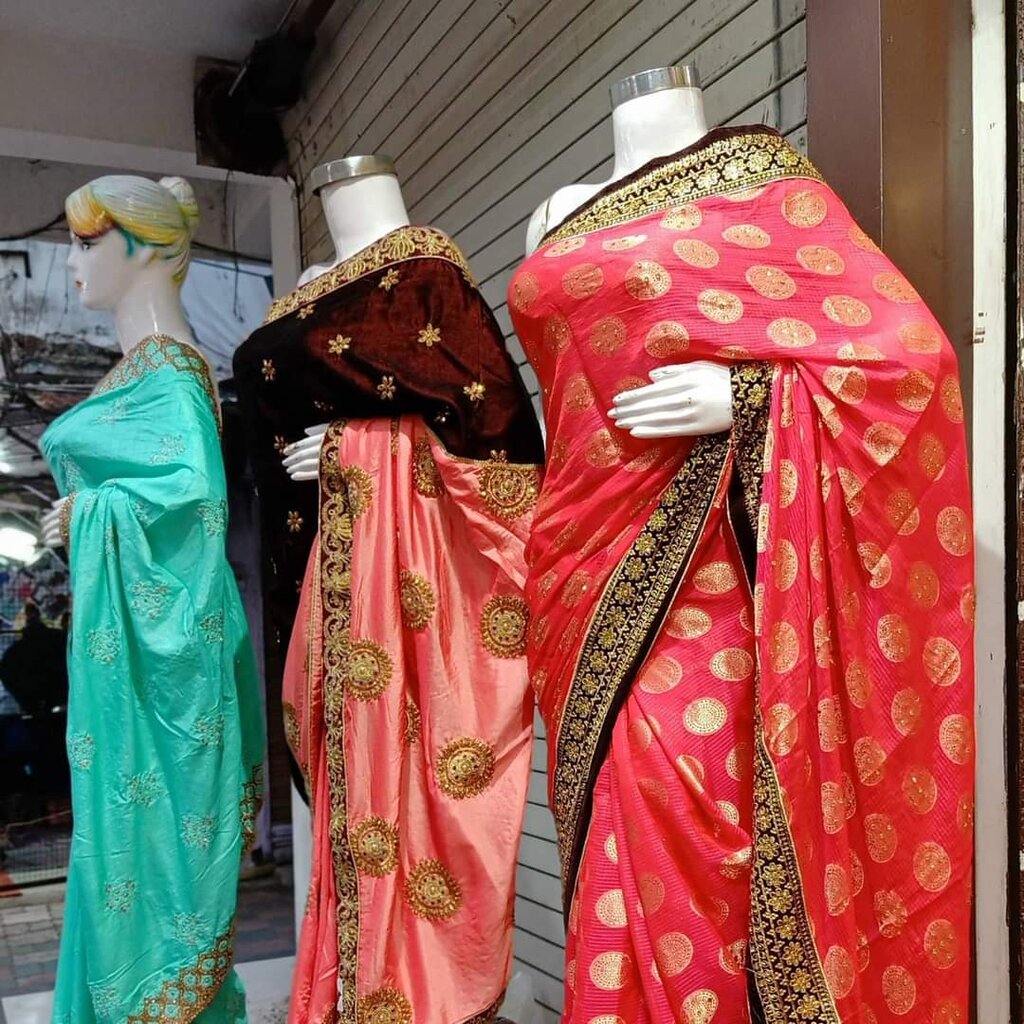
These cultural blueprints for what is desirable are passed down through generations, shaping our collective subconscious. They influence everything from the clothes we wear to the way we carry ourselves.
The Media's Influence
Today, mass media is one of the most potent forces in shaping our perception of 'sexy.' Movies, magazines, advertising, and especially social media constantly present us with images of idealized bodies and lifestyles. These portrayals often create a narrow, and frequently unattainable, standard of what is considered sexually appealing.
Think about the classic action hero or the supermodel on a magazine cover. These images are carefully crafted, often digitally altered, to present a specific version of perfection. Over time, repeated exposure to these images can make them seem like the norm, influencing how we see ourselves and others.
These are the kinds of “media literacy” questions that students should be taught to consider as they encounter photos in the news, in marketing situations, in social media.
The effect isn't just about physical appearance. Media also shapes our ideas about what behaviors are 'sexy.' The confident tech genius, the rebellious artist, the caring philanthropist—these are all character archetypes promoted through stories we consume, subtly teaching us which personality traits to value and find attractive.
Our Personal Stories
While culture and media provide the broad strokes, our personal experiences fill in the details. The unique events of our lives, our upbringing, and our relationships all contribute to our individual definition of 'sexy.'
A person's voice might remind you of a loved one, making it incredibly appealing to you. A particular sense of humor might be what you find most attractive because you grew up in a family that valued laughter. The first person you had a crush on might have had a unique style that you still find compelling today.
Our personal history creates a unique filter. It explains why a certain laugh, a specific scent, or even a way of thinking can be intensely 'sexy' to one person and completely ordinary to another.
These influences are deeply personal and often operate on a subconscious level. They are the reason why attraction can sometimes feel so mysterious and inexplicable. Our life story writes a private definition of 'sexy' that belongs only to us.
According to the text, the term 'sexy' is best described as:
How does the text illustrate that perceptions of attractiveness change over time?
Ultimately, the concept of 'sexy' is a blend of these three powerful forces: the cultural world we're born into, the media we consume, and the personal lives we lead.