The CTO Role
Introduction to the CTO Role
What is a CTO?
The Chief Technology Officer, or CTO, is the executive in charge of an organization's technology strategy. Think of them as the bridge between what a company wants to achieve and the technology needed to get there. Their job isn't just about managing servers or writing code; it's about seeing the big picture and ensuring every technical decision pushes the business forward.
The CTO role bridges technology and business strategy, ensuring that tech initiatives align with organizational goals and customer value.
A good CTO understands both the technical details and the market landscape. They have to decide which technologies to invest in, how to build and scale products, and how to create a technical culture that attracts and retains talent. Ultimately, their goal is to use technology as a tool for growth and innovation.
From Backroom to Boardroom
The CTO role hasn't always been so strategic. In the early days of corporate tech, the most senior tech leader was often focused on keeping internal systems running. Their world was one of servers, networks, and IT support tickets. The job was essential but reactive, operating behind the scenes.
As technology became central to nearly every business, from retail to finance, the role evolved. Companies realized that technology wasn't just a cost center; it was a primary driver of product innovation and competitive advantage. The tech leader moved from the server room to the executive suite, and the CTO title became common.
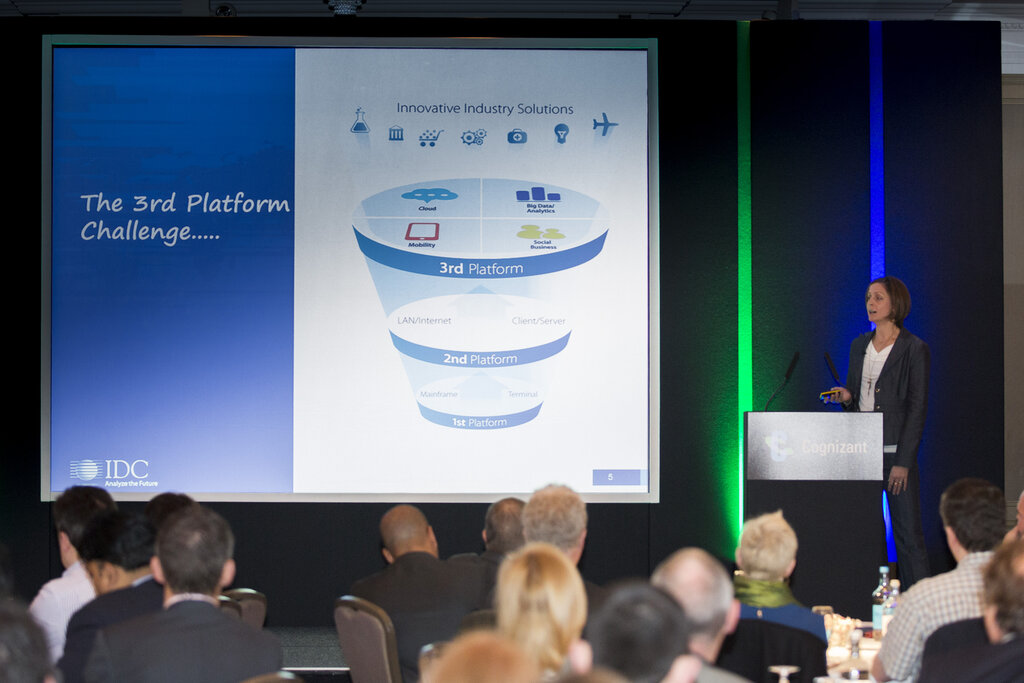
Today's CTO is a key part of the leadership team. They contribute to business strategy, interact with investors, and often act as a public face for the company's technological prowess. This shift reflects a fundamental change in how businesses view technology: not as a utility, but as the engine of growth.
CTO vs. CIO
The roles of Chief Technology Officer (CTO) and Chief Information Officer (CIO) are often confused, but they serve distinct functions. The key difference usually comes down to focus: internal versus external.
A CIO is typically focused on the internal technology systems and processes that keep a company running smoothly. They manage IT infrastructure, business software (like CRM or ERP systems), and data security to improve operational efficiency. Their "customer" is the employee.
The CTO, on the other hand, is usually focused on the external technology that a company sells or uses to serve its customers. They oversee product engineering, research and development, and the overall technology architecture of the company's products. Their "customer" is the end-user of the product or service.
| Chief Information Officer (CIO) | Chief Technology Officer (CTO) | |
|---|---|---|
| Primary Focus | Internal Operations | External Product/Innovation |
| Goal | Improve business processes and efficiency | Drive revenue and market growth through technology |
| Audience | Employees & Internal Stakeholders | Customers & the Market |
| Key Activities | IT infrastructure, enterprise software, data security | Product development, R&D, tech vision |
Of course, in smaller companies, one person might wear both hats. But as a company grows, splitting these responsibilities helps ensure that both internal efficiency and external innovation get the attention they deserve.
Four Flavors of a CTO
Not all CTOs are the same. The role can look very different depending on the company's size, industry, and goals. We can generally group CTO responsibilities into four main models.
The Infrastructure Commander This CTO is responsible for the company's technology infrastructure, including data centers, networks, and IT operations. They focus on stability, security, and scalability. This model is common in large enterprises where uptime and data management are critical.
Their main job is to ensure the technological foundation of the company is solid and reliable.
The Technology Visionary This type of CTO looks toward the future. They track emerging technologies and figure out how the company can leverage them to create new opportunities or disrupt the market. They are less involved in day-to-day operations and more focused on long-term strategy and innovation.
They are the ones asking, "What's next?"
The Customer Champion In many product-led companies, the CTO's primary role is to oversee the development of the customer-facing product. They manage the engineering team, set the technical direction for the product, and work closely with the product management team to build a great user experience.
This is the most common model for CTOs at tech startups.
The Big Thinker This CTO operates at a very high level, often sitting on the executive board and reporting directly to the CEO. They help shape the overall business strategy and might be involved in mergers, acquisitions, and high-level partnerships. They are both a business leader and a technologist.
Understanding these different models helps clarify that the title "CTO" can mean many different things, all of which are vital to a modern company's success.
What is the primary focus of a modern Chief Technology Officer (CTO)?
According to the text, which statement best describes the primary distinction between a CTO and a Chief Information Officer (CIO)?
The CTO role is dynamic and central to modern business. By bridging technology and strategy, these leaders don't just keep the lights on—they power the engine of innovation and growth.