The Crisis of the Third Century in Rome
Introduction to the Crisis
The Empire on the Brink
For nearly two centuries, the Roman Empire seemed unstoppable. The period known as the Pax Romana, or Roman Peace, saw unprecedented stability and prosperity. From the rainy fields of Britain to the deserts of Mesopotamia, a single power ruled, trade flourished, and cities grew. But this golden age couldn't last forever.
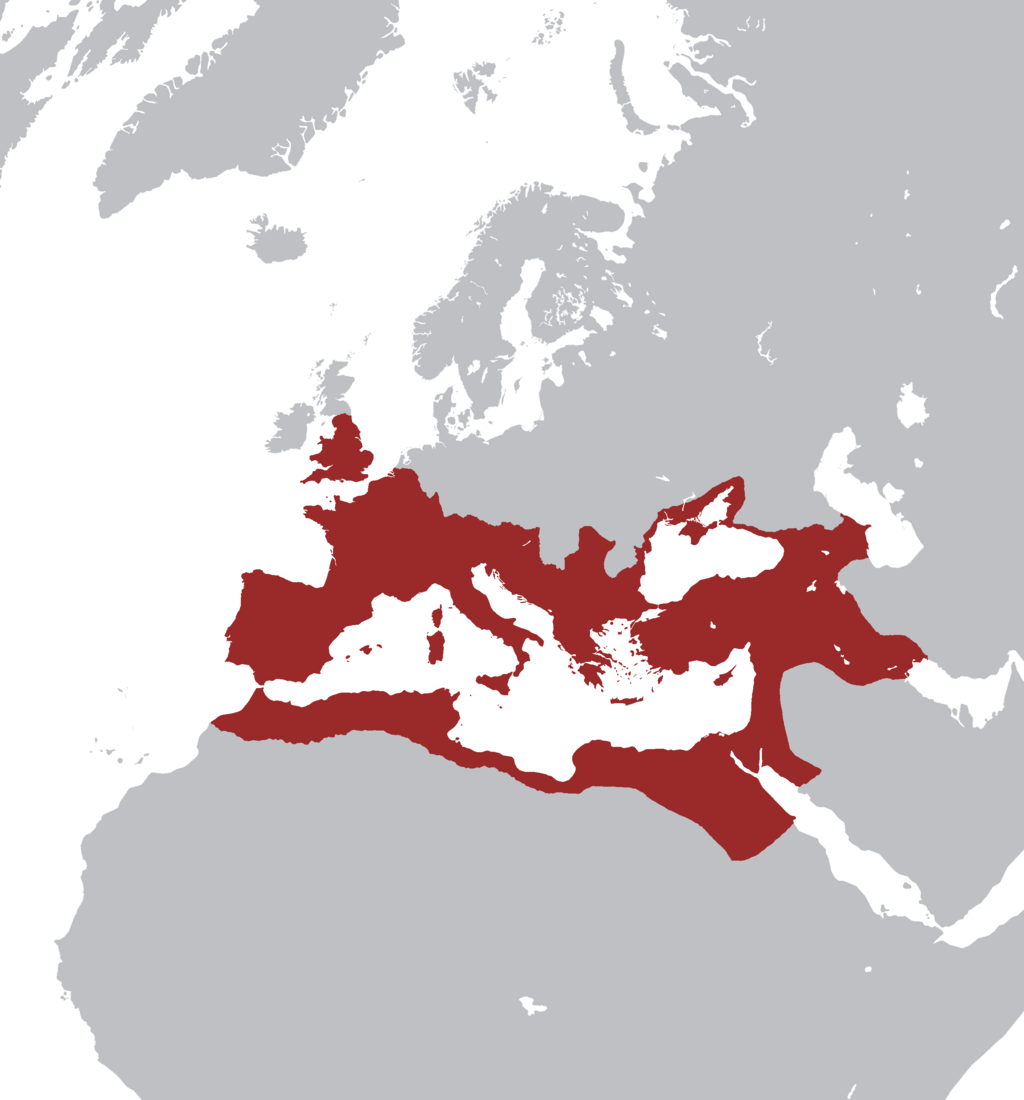
The third century brought this world to its knees. Historians call the period from 235 to 284 CE the Crisis of the Third Century. It was a 50-year storm where the empire nearly disintegrated under the combined weight of civil war, foreign invasion, plague, and economic collapse. This wasn't just a bad patch; it was an existential threat that fundamentally reshaped the Roman world.
Anatomy of a Crisis
The crisis didn't have a single cause. It was a cascade of failures, where one problem worsened another. We can group the key factors into four main areas.
Political Instability: The emperor's throne became a death sentence. In just 49 years, at least 26 different men claimed the title of emperor, and almost all of them died violently. These "barracks emperors" were generals propped up by their armies, often ruling for only months before being assassinated by a rival.
This constant civil war paralyzed the government. With leaders focused on survival, long-term planning became impossible. The empire's ability to respond to other threats was crippled.
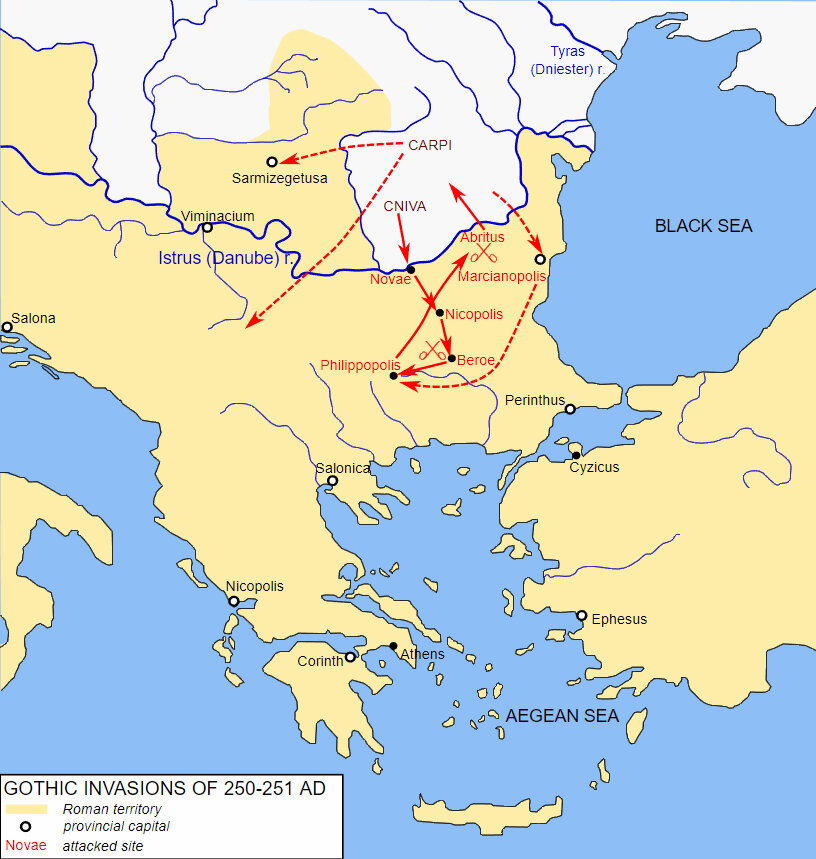
Military Challenges: As emperors fought each other, the empire's borders became vulnerable. In the east, the aggressive Sassanian Empire replaced the Parthians and launched major invasions. In the north, along the Rhine and Danube rivers, Germanic tribes like the Goths and Alamanni broke through Roman defenses, raiding deep into Roman territory.
Economic Collapse: To pay the soldiers they needed to seize and hold power, emperors resorted to desperate measures. They debased the currency, mixing less and less silver into their coins. This led to hyperinflation. The value of money plummeted, savings were wiped out, and trade ground to a halt as people returned to barter.
Cultural Shifts: The constant chaos and uncertainty had a profound effect on the Roman psyche. Confidence in traditional gods and the state wavered. People began turning to new religions that offered personal salvation and a sense of community, such as Christianity and the worship of Mithras. These changes in belief marked a slow but steady transformation of Roman society.
A Turning Point
The Crisis of the Third Century was more than just a string of bad luck. It was a turning point that ended the classical Roman world of the Pax Romana. The empire that emerged from the chaos in 284 CE under the emperor Diocletian was profoundly different. It was more autocratic, more militarized, and more administratively divided.
The crisis exposed deep-seated weaknesses in the Roman system. While the empire would survive for another two centuries in the West, it would never regain the confidence and stability of its earlier days. The seeds of the final fall of Rome were sown in the turmoil of this chaotic half-century.