The Cornet Explained
Introduction to the Cornet
The Agile Brass Voice
The cornet is a brass instrument that looks a lot like its cousin, the trumpet. But if you listen closely, you'll hear a distinct difference. The cornet has a warmer, mellower, and more rounded tone. It's known for its agility, able to play fast, lyrical passages with ease.
Cornet
noun
A brass instrument similar to the trumpet but distinguished by its conical bore, more compact shape, and mellower tone.
This unique sound comes from its specific construction, which sets it apart from other members of the brass family.
From Post Horn to Orchestra Pit
The story of the cornet begins in the early 1800s in France. Its ancestor is the post horn, a small, valveless brass instrument used by mail carriers to announce their arrival and departure. The post horn could only play a limited number of notes based on the natural harmonic series.
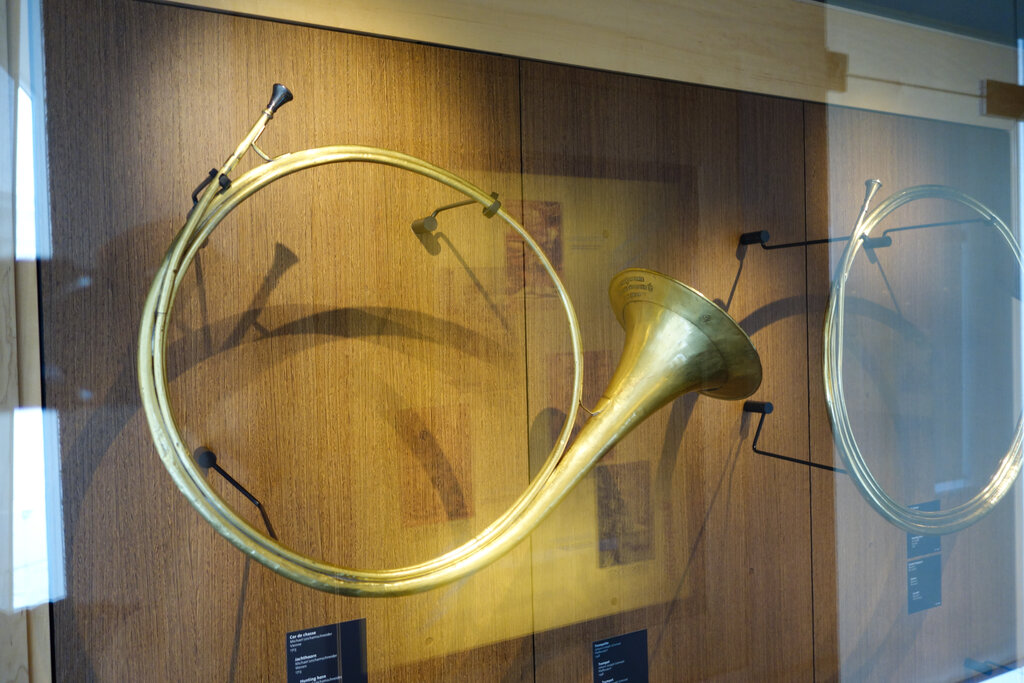
The big breakthrough came with the invention of valves. Around 1828, Parisian instrument maker Jean-Louis Antoine added piston valves to the post horn. This innovation was revolutionary. By pressing the valves, a player could change the length of the tubing the air traveled through, allowing them to play all the notes of the chromatic scale. This new instrument was called the cornet à pistons, or "cornet with pistons."
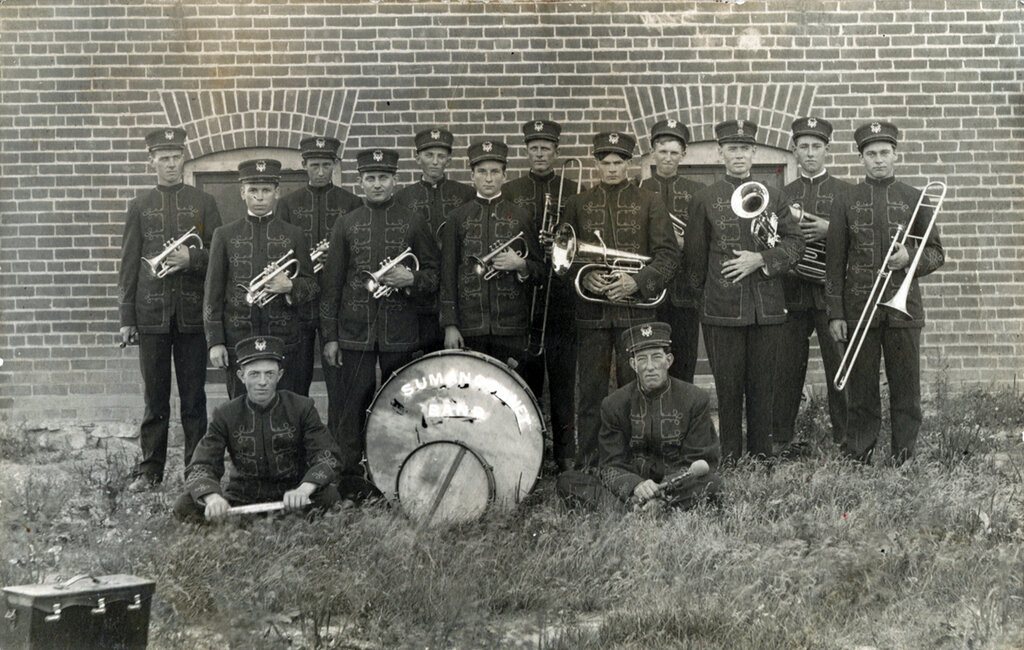
It quickly became popular, especially in brass bands and military bands, where its agile and expressive tone was highly valued. Early jazz pioneers, like Louis Armstrong, also favored the cornet for its warm, vocal-like quality.
How It's Built
The key to the cornet's sound is its bore, which is the interior channel of the tubing. The cornet has a conical bore, meaning it gradually widens from the mouthpiece to the bell. This is different from the trumpet, which has a mostly cylindrical (straight) bore that only flares out at the very end.
This cone shape is what gives the cornet its characteristic warmth. Like other modern brass instruments, the cornet uses a valve system, typically three piston valves. When a valve is not pressed, air passes straight through its main tubing. When a valve is pressed down, it reroutes the air through an extra loop of tubing, making the total path longer and lowering the pitch.
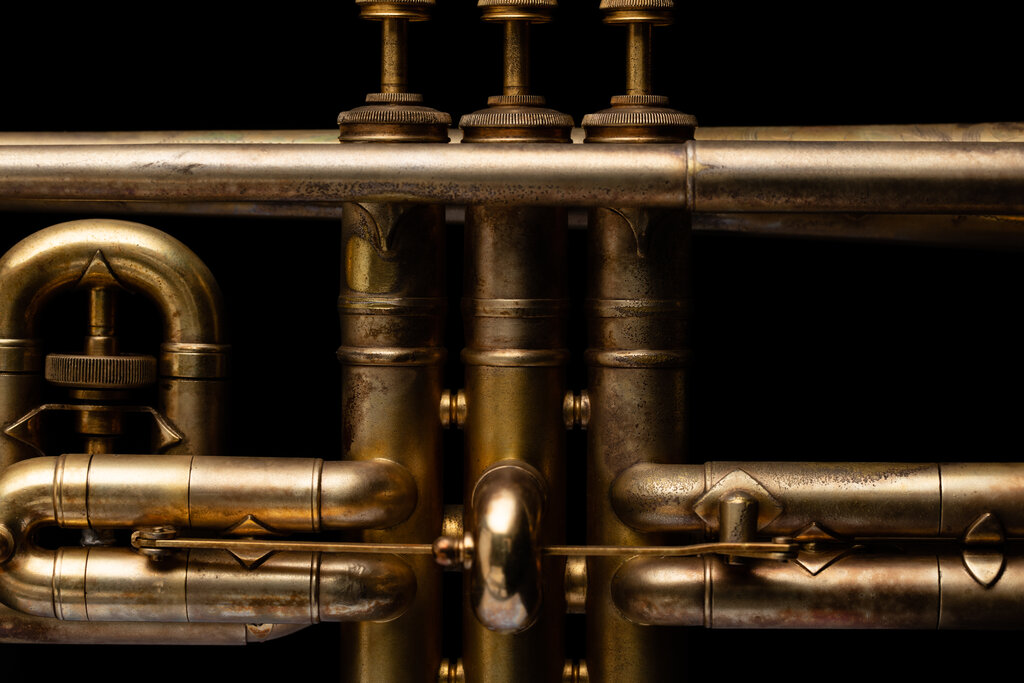
Most cornets are pitched in B♭, just like the most common type of trumpet. They are made of brass, an alloy of copper and zinc, and are often finished with a clear lacquer or plated with silver or gold.
Cornet vs Trumpet
While they look similar and play in the same range, the cornet and trumpet are distinct instruments with different strengths. The main differences come down to the bore shape, the wrap of the tubing, and the resulting sound.
| Feature | Cornet | Trumpet |
|---|---|---|
| Bore | Mostly conical (gradually widening) | Mostly cylindrical (straight) |
| Shape | More compact, with wider bends | Longer, with tighter bends |
| Tone | Warm, mellow, rounded | Bright, brilliant, piercing |
| Best For | Lyrical melodies, fast passages | Fanfares, powerful statements |
Because of these differences, they often play different roles. A composer might choose a trumpet for a bold, heroic fanfare, but select a cornet for a sweet, song-like solo.
The Cornet's Musical Home
The cornet is most famously the lead voice of the British-style brass band. In this setting, the cornet section is the equivalent of the violin section in an orchestra, carrying the main melodies.
It's also a staple in concert bands and military bands. While less common in the modern symphony orchestra, it was used by composers like Berlioz and Tchaikovsky in the 19th century for its unique color. And as mentioned, it was a foundational instrument in the early days of New Orleans jazz.
Let's review some of the key ideas we've covered.
Ready to test your knowledge?
What is the primary feature of the cornet's construction that gives it a warmer and mellower tone compared to a trumpet?
The cornet was developed in the 1820s by adding piston valves to which earlier, valveless instrument?
With its warm tone and agile nature, the cornet holds a special place in the brass family, bridging the gap between the brilliance of the trumpet and the mellowness of the horn.