The Content Creator's Blueprint
Content Creation Fundamentals
Start With Who, Not What
Before you write a single word or record a second of video, the most important question to ask is: Who is this for? Content creation isn't about broadcasting your ideas into the void. It’s about starting a conversation with a specific group of people.
Think of it this way: you wouldn't tell the same story in the same way to your best friend, your grandmother, and your boss. You'd adjust your tone, your language, and your references for each person. Your content needs that same level of care.
Start by picturing your ideal audience member. What are they interested in? What problems are they trying to solve? What makes them laugh or gets them excited? Answering these questions helps you move from broad topics to specific, compelling ideas that resonate with real people.
Great content feels like it was made just for you.
To get a clearer picture of your audience, consider these two areas:
- Demographics: These are the basic, factual details. Think age, location, and language. A fitness program for new moms in their 30s will look very different from one for retired men over 60.
- Preferences & Interests: This is about what they care about. What are their hobbies? What kind of humor do they appreciate? What are their goals and struggles? This is where you find the connection points for your content.
Know Your Why
Once you know who you're talking to, you need to decide what you want to achieve. Every piece of content should have a clear purpose. Without a goal, your content will feel random and unfocused, making it hard to build a loyal audience.
Your goal doesn't have to be complicated. Most content aims to do one of four things:
| Goal | Description | Example |
|---|---|---|
| Educate | Teach your audience something new or how to solve a problem. | A step-by-step video on how to bake sourdough bread. |
| Entertain | Provide enjoyment, humor, or a pleasant escape. | A funny skit about the struggles of working from home. |
| Inspire | Motivate your audience to take action or see things differently. | A podcast interview with someone who successfully switched careers. |
| Persuade | Convince your audience to agree with a point of view. | An article arguing for the benefits of a four-day work week. |
Having a clear objective guides your creative decisions. If your goal is to educate, your tone might be clear and direct. If it's to entertain, you'll focus more on humor and storytelling.
It is equally critical to nurture content creation by prioritizing the creators' interests, as quality content forms the seed for sustainable engagement and conversations, bringing in new consumers while retaining existing ones.
Choose Your Medium
With your audience and goals in mind, it's time to choose how you'll deliver your message. There are four main content formats, each with its own strengths. The key is to pick the one that best fits your message and your audience's habits.
Text (Blogs, Articles, Newsletters) Text is perfect for deep dives and detailed explanations. If your topic is complex or requires careful thought, a well-written article is often the best choice. It allows people to consume information at their own pace.
Video (YouTube, TikTok, Instagram Reels) Video is incredibly powerful for showing, not just telling. It excels at tutorials, product demonstrations, and personal stories. The combination of visuals, sound, and motion creates a strong emotional connection.
Audio (Podcasts) Podcasts are ideal for busy audiences who consume content while commuting, exercising, or doing chores. The format feels personal and intimate, making it great for interviews, conversations, and storytelling.
Visuals (Infographics, Photos) Visuals grab attention and make complex information easy to digest. An infographic can simplify data into a compelling story, while a powerful photograph can convey an emotion more effectively than words.
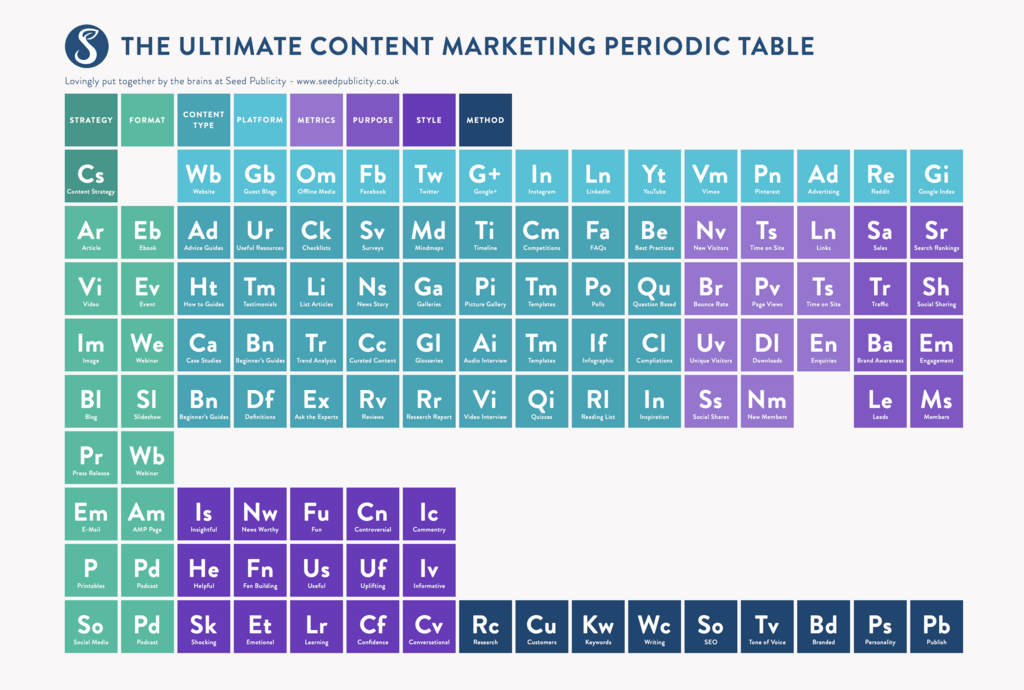
You also need to consider where your audience spends their time. A tutorial for a complex software program might do best on YouTube, while a collection of beautiful travel photos belongs on Instagram. Don't try to be everywhere at once. Start with one or two platforms where your target audience is most active and master them before expanding.
Make It Engaging
The final piece of the puzzle is creating content that holds people's attention. No matter the format or platform, a few principles always apply.
First, be authentic. People connect with real personalities, not corporate-sounding robots. Let your unique voice and perspective shine through. Share your genuine interests and even your quirks. This is what builds trust and community.
Second, provide value. Whether you're educating, entertaining, or inspiring, your audience should walk away feeling like they gained something. This could be a new skill, a good laugh, or a fresh perspective. Respect their time by making your content worthwhile.
Finally, make it a two-way street. Ask questions, encourage comments, and listen to feedback. Content creation is a dialogue. When your audience feels heard and involved, they're more likely to stick around and become true fans.
According to the principles of effective content creation, what is the very first question you should ask before producing any content?
A content creator is targeting their content to 'people who enjoy hiking, appreciate dry humor, and are trying to adopt a more eco-friendly lifestyle.' What type of audience information is this?
With these fundamentals, you have a solid foundation for creating content that connects with people and achieves your goals.