The Constitutional Right to Privacy
Foundations of Constitutional Law
A Blueprint for Government
The United States Constitution is the nation's rulebook. It lays out the structure of the federal government and defines its powers. The original document is surprisingly short, but it establishes a framework that has guided the country for over two centuries.
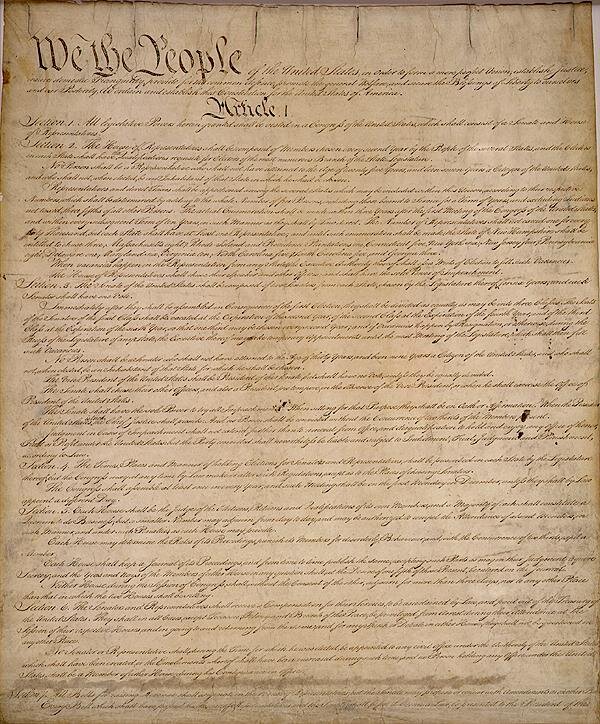
The Constitution is organized into three main parts: the Preamble, seven Articles, and the Amendments.
The Preamble is a short introduction that states the goals of the new government, such as to "establish Justice" and "secure the Blessings of Liberty."
The seven Articles create the structure of the government. The first three articles establish a system of separated powers, dividing the government's authority among three distinct branches.
This division ensures that no single part of the government becomes too powerful. The remaining articles cover topics like the relationship between states, the process for amending the Constitution, and its status as the "supreme Law of the Land."
Guaranteed Rights
When the Constitution was first proposed, many people worried that it gave the federal government too much authority and didn't do enough to protect individual freedoms. To address these concerns, a set of amendments was added.
These first ten amendments are known as the Bill of Rights. They place clear limits on government power, protecting fundamental rights like freedom of speech and religion.
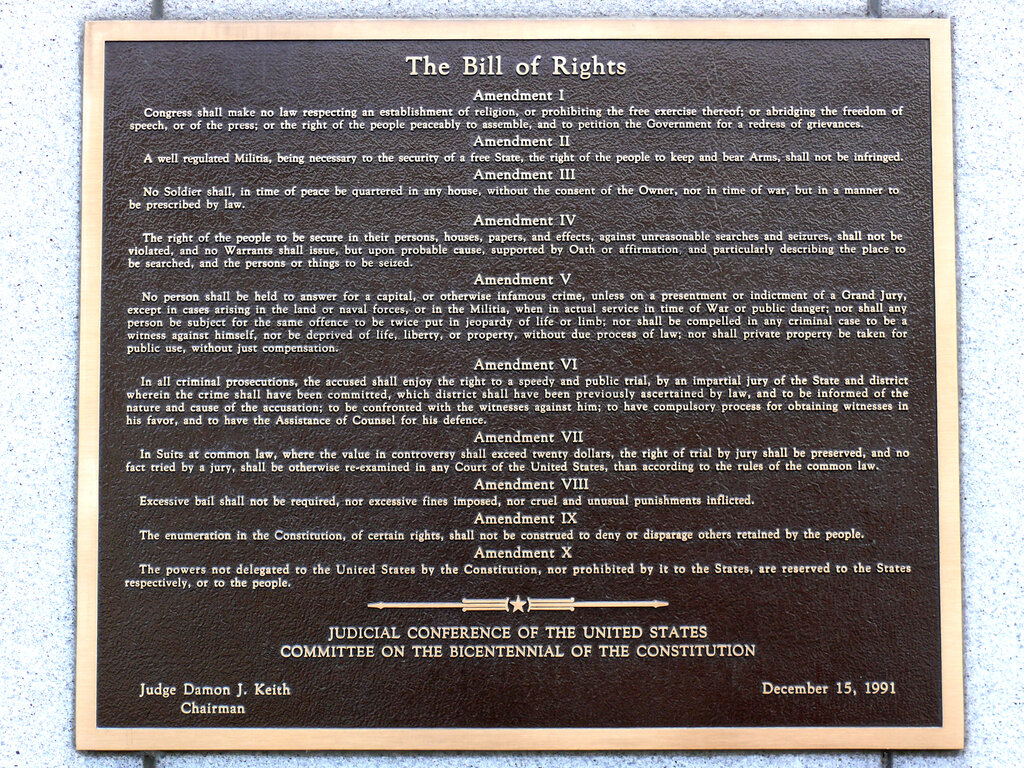
The Bill of Rights guarantees specific freedoms. The First Amendment protects freedom of expression and religion. Others protect the rights of those accused of crimes, such as the right to a fair trial and protection from unreasonable searches.
While these amendments list many important rights, they don't cover every possible freedom. This has led to ongoing debate and interpretation about what other rights the Constitution might protect.
The Interpreters
The Constitution was written in the 18th century, and its language can be broad. How do its principles apply to modern issues like the internet or genetic testing? The job of interpreting the Constitution falls to the judicial branch, with the Supreme Court having the final say.
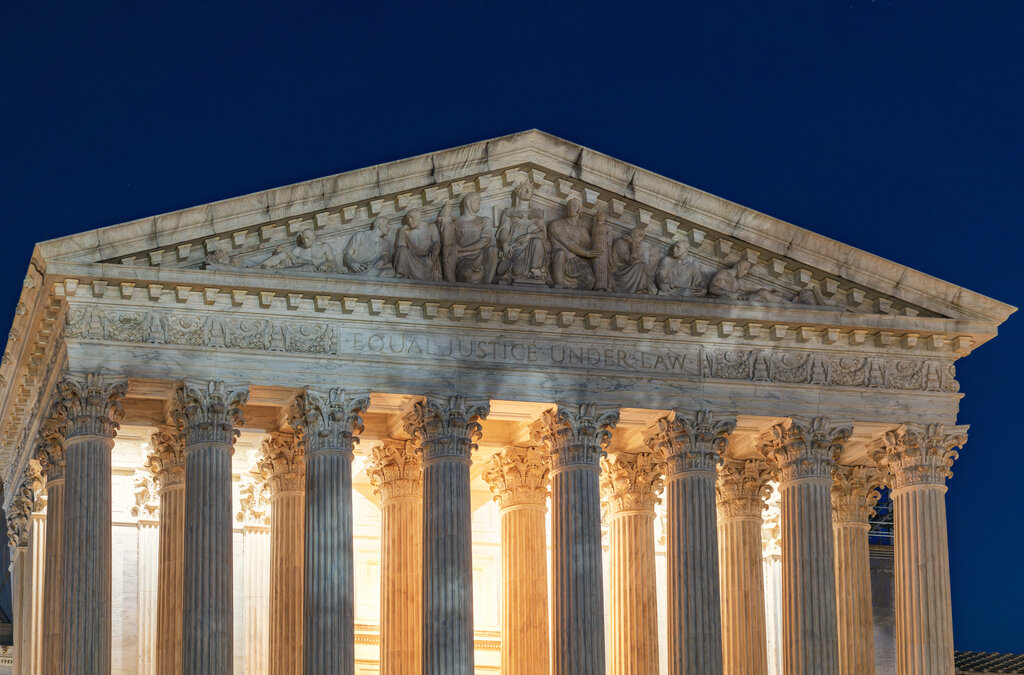
Through a process known as judicial review, the Supreme Court can determine whether laws or government actions violate the Constitution. The Court's decisions can have a profound impact, shaping the meaning of our rights and the extent of government power.
When the Court decides a case, it creates a precedent, or a legal standard that guides future cases. This means that the interpretation of the Constitution is not static; it evolves as the Court applies its timeless principles to new challenges. This is how rights not explicitly mentioned in the text, such as privacy, have been recognized and defined over time.
Now let's review these foundational concepts.
The U.S. Constitution is organized into which three main parts?
The primary purpose of the Bill of Rights was to address concerns that the new federal government would have too much power and not adequately protect individual freedoms.
This basic structure—the separation of powers, the guaranteed rights in the Bill of Rights, and the role of the Supreme Court as the final interpreter—forms the bedrock of American constitutional law.