The Connie Rich Lawsuit and Bus Transit Investment
Introduction to Public Transit in Los Angeles
LA's Transit Story
Los Angeles is famous for its car culture, but it wasn't always that way. At the turn of the 20th century, the city was home to one of the largest electric railway systems in the world. The Pacific Electric Railway, with its iconic Red Cars, connected communities all across Southern California, from the San Fernando Valley to Orange County.
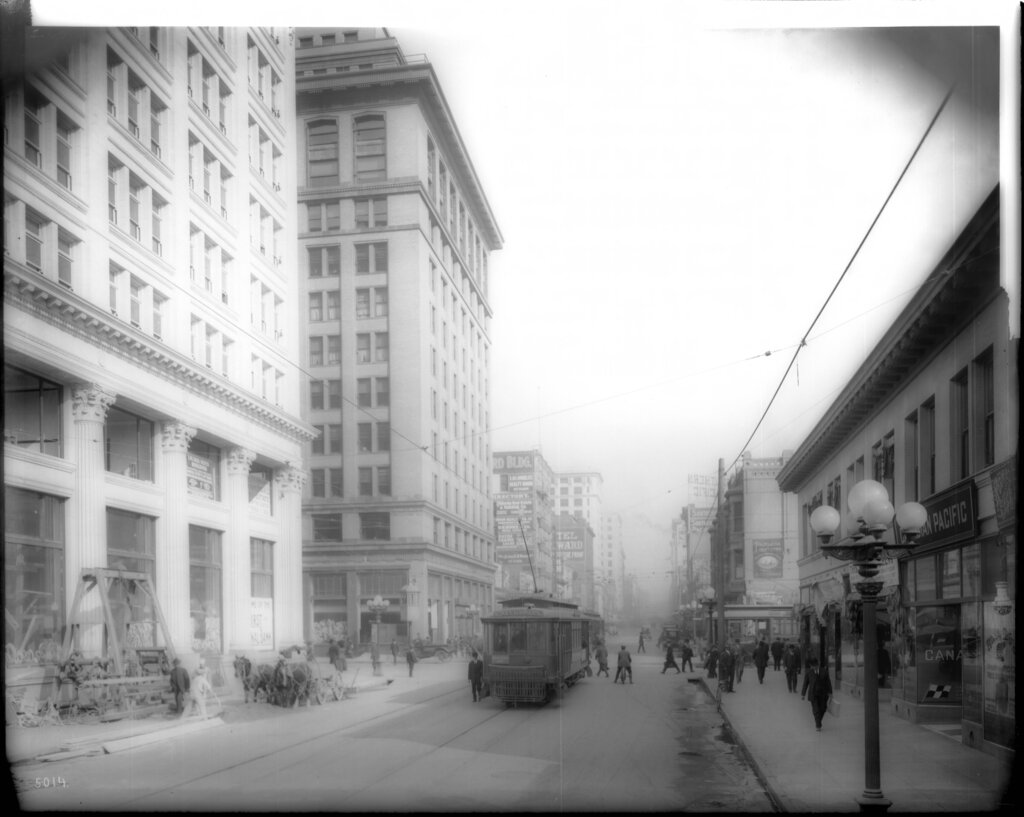
This extensive network made it possible to live in a suburb and work in the city center without owning a car. However, following World War II, a combination of factors led to the decline of the streetcar system. The rise of the personal automobile, investment in a massive freeway system, and sprawling suburban development reshaped the region. By the early 1960s, the last of the Red Cars had made their final run, and LA's identity became intertwined with its freeways.
Meet LA Metro
For decades, the bus was the primary form of public transit. But as traffic congestion worsened, the need for a more robust system became clear. In 1993, two major transportation agencies merged to create the Los Angeles County Metropolitan Transportation Authority, known simply as Metro.
Metro is the primary public transportation operator for the massive County of Los Angeles. Its responsibilities are broad, covering planning, funding, building, and operating the transit network. This includes not just buses and trains but also managing a large portion of the county's freeway and roadway improvement projects. It's a multi-modal agency tasked with keeping one of the nation's largest counties moving.
Riding the System
Today, Metro operates a diverse and expanding network of services designed to connect communities across its vast service area.
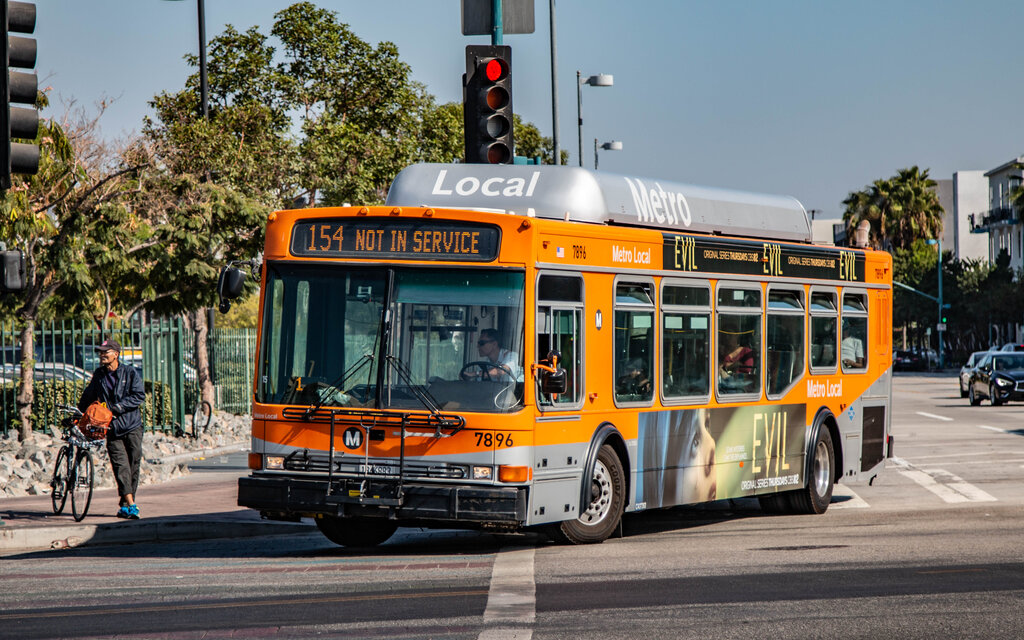
The bus system is the backbone of LA's transit network, with nearly 200 lines covering thousands of miles of streets.
Metro's bus fleet includes different types of service. The orange-colored Metro Local buses make frequent stops and are the most common sight. For quicker trips along major corridors, the red-colored Metro Rapid buses have fewer stops and use technology to keep traffic signals green longer. There are also busways, like the G Line (Orange) and J Line (Silver), which operate in their own dedicated lanes to avoid traffic entirely.
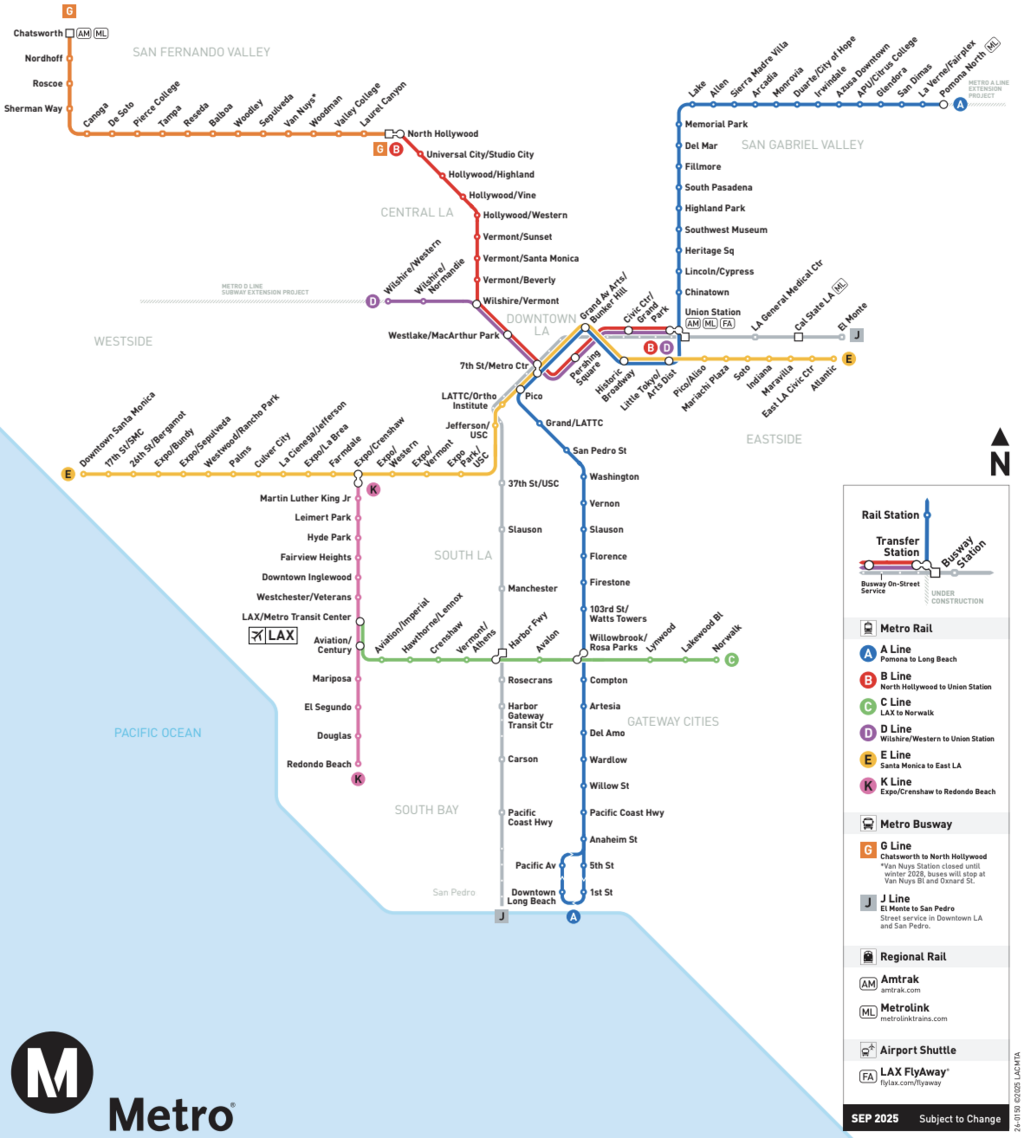
Complementing the bus system is a growing rail network. Since the first modern line opened in 1990, Metro Rail has expanded to include both light rail and heavy rail subway lines. The system connects key destinations like Downtown LA, Hollywood, Santa Monica, Pasadena, and Long Beach.
Metro's rail lines are identified by letters. Light rail lines (like the A, E, and K Lines) mostly run at street level or on elevated tracks, while heavy rail subways (the B and D Lines) run entirely underground in the most densely populated areas.
From its streetcar past to its modern, multi-modal network, public transportation in Los Angeles is a story of constant evolution. Understanding this system is the first step to understanding its role in the life of the city.