The Concrete World
Earth's Crust Formation
The Skin of Our Planet
Earth’s crust is the thin, solid outermost layer of our planet, like the peel of an apple. It's where we live, and it’s the source of all the natural materials we build with. But this crust isn't one uniform shell. It's broken into two main types.
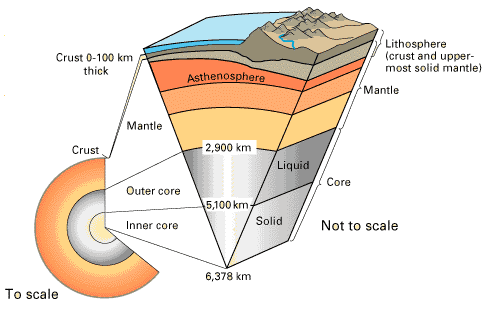
First is the oceanic crust. It's found under the oceans, is relatively thin (about 5-10 km), and is made of dense rock like basalt. Because it's so dense, it sits lower than the continental crust, forming the basins that hold our oceans.
Then there's the continental crust, which forms the landmasses. It’s much thicker (30-50 km on average) and less dense than its oceanic counterpart. It's composed of a wide variety of rocks, but its bulk composition is similar to granite.
| Feature | Oceanic Crust | Continental Crust |
|---|---|---|
| Location | Under the oceans | Forms continents |
| Thickness | Thin (5-10 km) | Thick (30-50 km) |
| Density | More dense | Less dense |
| Composition | Primarily basalt | Similar to granite |
Plates in Motion
The crust isn't a single, unbroken piece. It's fractured into massive plates called tectonic plates, which also include the very top layer of the mantle. This rigid combination of crust and upper mantle is known as the lithosphere. These plates are constantly, slowly moving, floating on the hotter, more fluid layer of the mantle below called the asthenosphere.
lithosphere
noun
The rigid outer part of the earth, consisting of the crust and upper mantle.
The movement of these plates drives the creation of new crust and the destruction of old crust. This process is called plate tectonics. Where plates pull apart, molten rock, or magma, rises from the mantle to fill the gap. This creates new oceanic crust, a process clearly seen at mid-ocean ridges.
Where plates collide, one of three things can happen. If dense oceanic crust meets lighter continental crust, the oceanic plate is forced to slide underneath in a process called subduction. If two continental plates collide, they crumple and fold, pushing up vast mountain ranges like the Himalayas. If two oceanic plates meet, one usually subducts under the other, creating deep ocean trenches and volcanic islands.
Forged in Fire and Water
This constant geological activity gives rise to the three main types of rock. The first is igneous rock, formed from cooled magma or lava. When magma cools slowly deep within the crust, it forms coarse-grained rocks like granite. When lava erupts from a volcano and cools quickly on the surface, it forms fine-grained rocks like basalt.
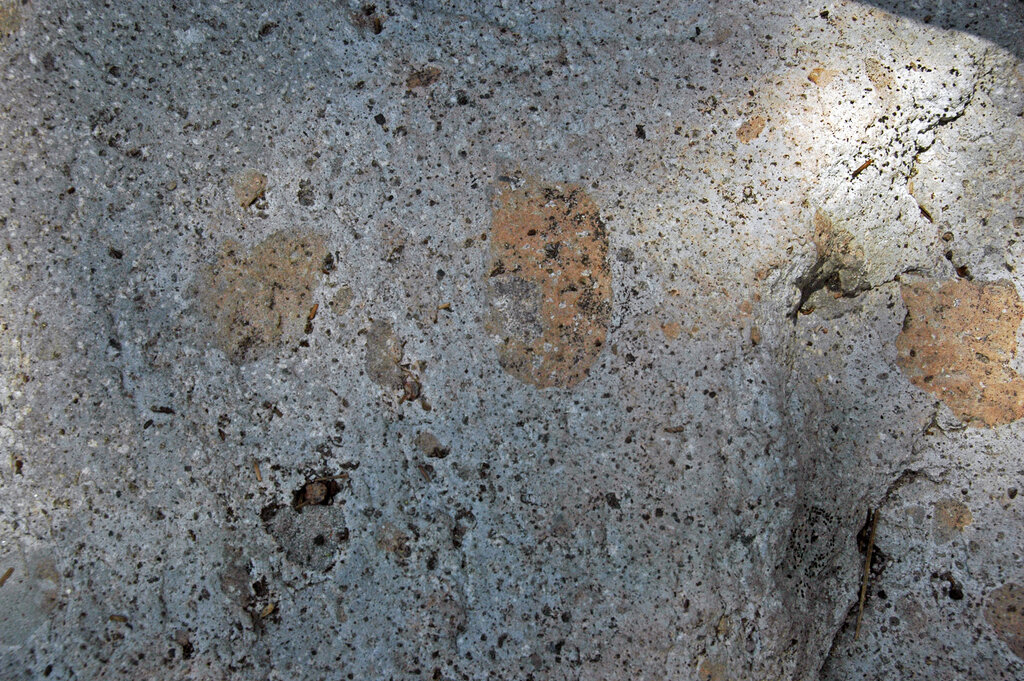
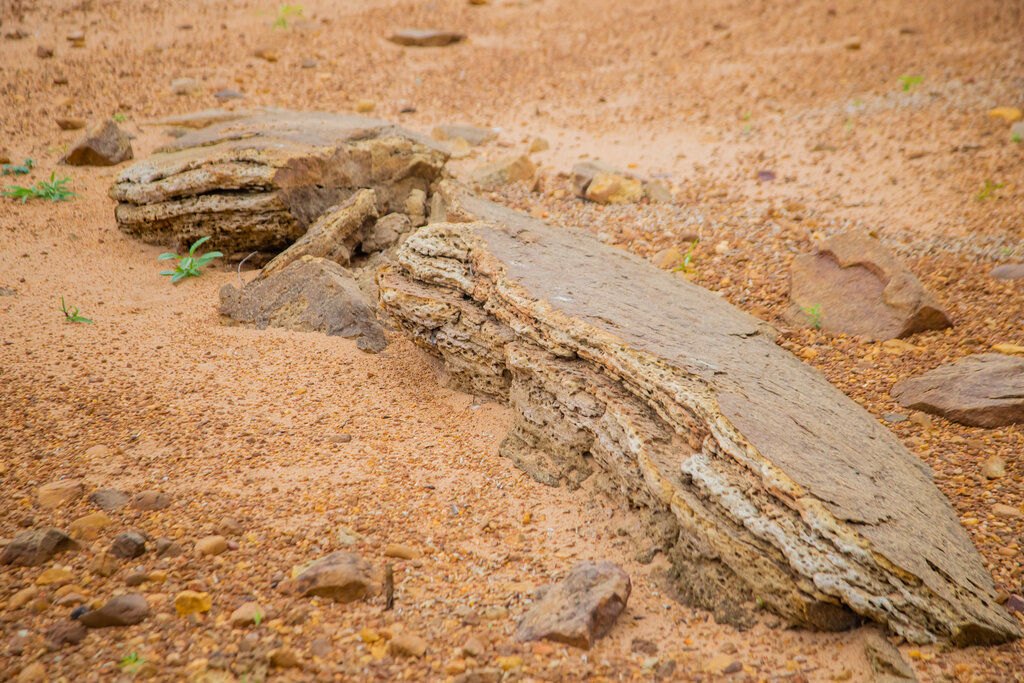
Over millions of years, wind and water erode these rocks, breaking them into smaller particles called sediment. These particles are washed into rivers, lakes, and oceans, where they settle in layers. Over time, the weight of the overlying layers compacts the sediment below, and dissolved minerals cement the particles together. This process creates sedimentary rock, like sandstone, limestone, and shale. You can often see the distinct layers in sedimentary formations.
The third type is metamorphic rock. This is what happens when any existing rock, whether igneous, sedimentary, or even other metamorphic rock, is subjected to intense heat and pressure deep within the Earth's crust. This transformation changes the rock's mineral composition and texture without melting it. For example, limestone, a sedimentary rock, can metamorphose into marble. Shale can become slate.
All rocks on Earth are part of a giant recycling system called the rock cycle, constantly being formed, broken down, and transformed into new types of rock.
These geological processes, from the slow drift of continents to the violent eruption of a volcano, are responsible for creating the crust beneath our feet. They are the ultimate source of the stones, sands, and gravels that we use to build our world.
What is a key difference between oceanic and continental crust?
The rigid layer composed of the Earth's crust and the very top of the mantle is called the _________.