The Concept of Solidarity
Introduction to Solidarity
The Idea of Solidarity
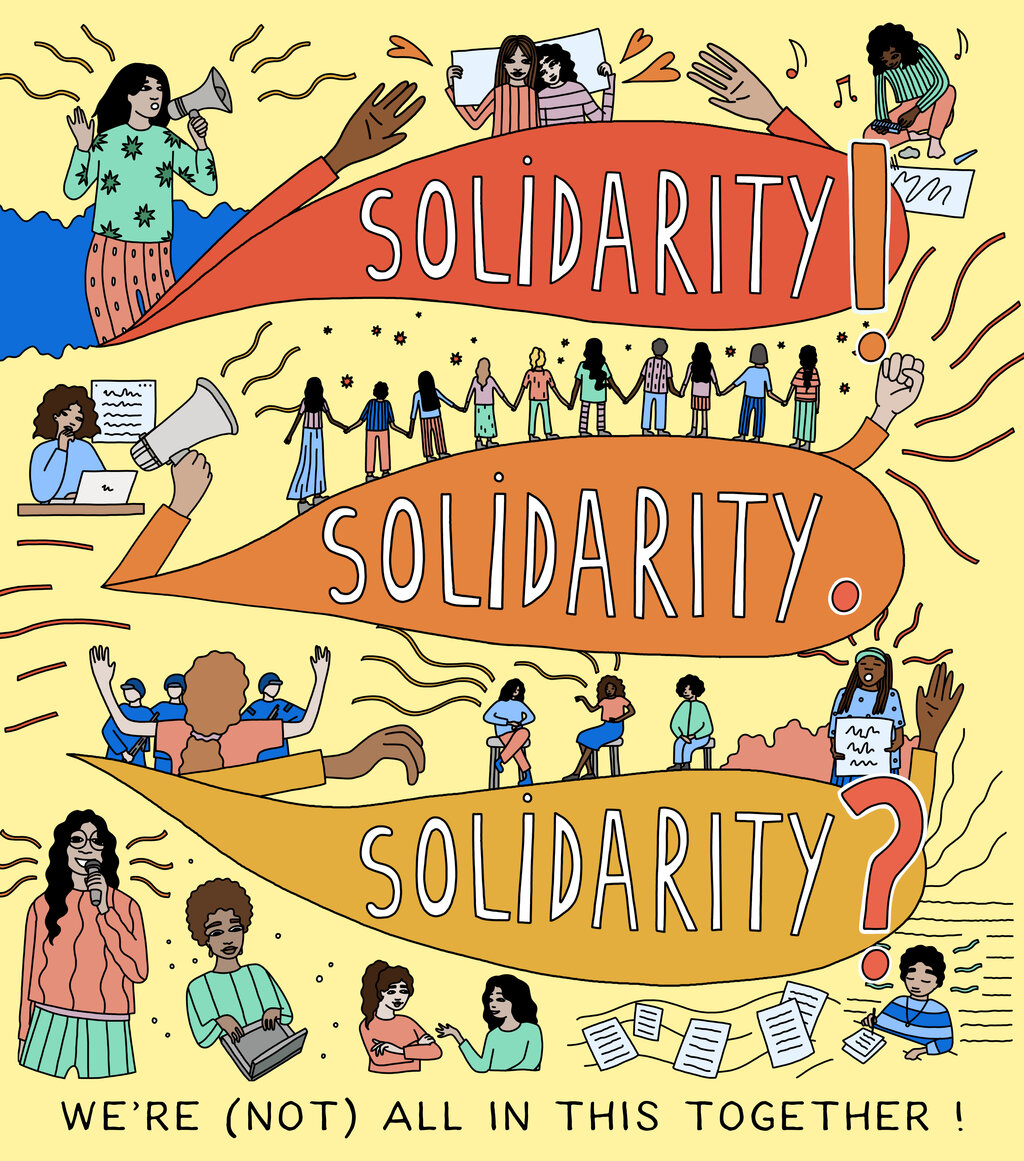
Solidarity is a powerful concept. It's the feeling of unity within a group, a sense that people are connected by shared interests, goals, or sympathies. When you stand with someone, you're showing solidarity. It’s about recognizing that we're in this together.
Solidarity
noun
Unity or agreement of feeling or action, especially among individuals with a common interest; mutual support within a group.
This idea of mutual support isn't just a feeling; it's also a call to action. It implies a responsibility to help others in the group, knowing they would do the same for you. Think of it like a sports team. Each player has a different role, but they all work together for a common goal: winning the game. That's solidarity in action.
Where the Word Comes From
The word “solidarity” has interesting roots. It comes to English from French, but its journey starts with Roman law. The Latin term was in solidum, which literally means “for the whole.”
In a legal context, in solidum referred to joint liability. If a group of people took on a debt together, each person was responsible for the entire amount, not just their individual share. Everyone was bound to the whole.
Over time, this idea of being bound together moved from the courtroom into social and political life. It became less about legal debt and more about the social bonds that connect us. The word began to describe the ties that hold a community or a society together.
A Social Glue
At its heart, solidarity is a kind of social glue. It creates a bond between people that encourages them to look out for one another. This bond isn't based on force or obligation, but on a shared sense of identity and purpose.
When people feel solidarity, they understand that their own well-being is linked to the well-being of the group. This leads to mutual support and cooperation. It's the force that drives people to volunteer, to help a neighbor, or to stand up for the rights of others.
Solidarity is one of the fundamental values at the heart of the construction of peaceful societies and present in more than one third of world's constitutions.
This sense of shared responsibility is what transforms a simple collection of individuals into a cohesive community. It builds trust and strengthens relationships, making the group more resilient in the face of challenges. Without it, societies would be far more fragmented.