The Colossus 2 Computer
Introduction to World War II Cryptography
The Secret War of Messages
In World War II, battles were fought not just with tanks and planes, but also with information. Sending orders, coordinating attacks, and reporting enemy movements all depended on communication. If the enemy could read your messages, they could anticipate your every move. Secrecy was a matter of life and death.
Both the Allied and Axis powers developed complex ways to protect their communications. They turned messages into what looked like gibberish, hoping only the intended recipient, holding the right key, could turn it back into plain language. This practice of secret writing is called cryptography.
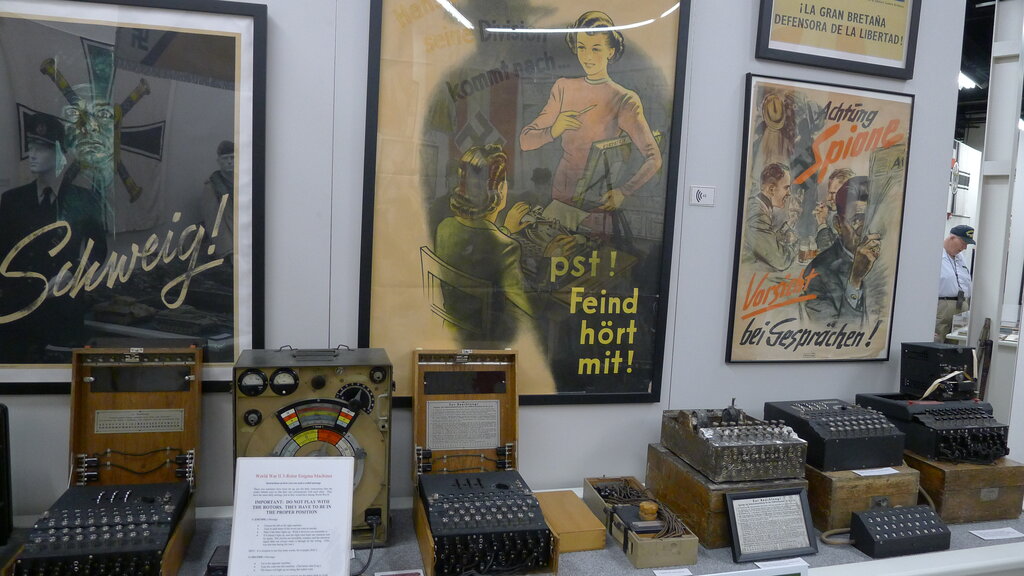
The entire system revolved around a central idea: the cipher.
cipher
noun
A secret method of writing, whereby plaintext (ordinary language) is converted into ciphertext (a scrambled message).
The process of using a cipher to turn a readable message into a secret one is called encryption. The reverse process, turning the secret message back into a readable one, is called decryption. To win the war, both sides needed to master encryption for their own secrets and find ways to decrypt the enemy's.
The Axis Codes
Germany placed its faith in a remarkable machine: the Enigma. The Enigma was an electromechanical device that used a series of rotating wheels, or rotors, to scramble text. Each time a key was pressed, the rotors would turn, creating a new substitution for each letter. The sheer number of possible starting positions for the rotors made the German military confident that their code was unbreakable.
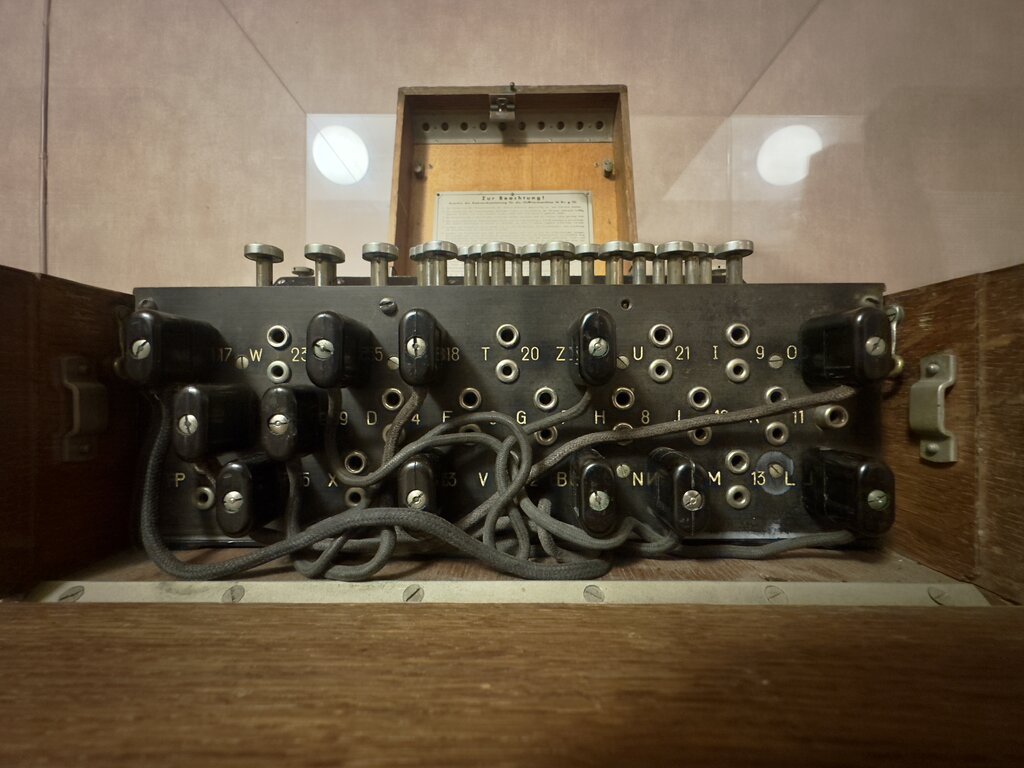
With a different key setting for every day, the Enigma produced a constantly changing cipher. This wasn't a simple code you could crack once and be done with. It was a new puzzle every 24 hours. The Japanese also used a sophisticated cipher machine for their diplomatic messages, codenamed "Purple" by the Americans.
The Allied Codebreakers
The Allies knew that a direct assault on these codes was nearly impossible. Instead, they launched a massive intelligence operation to find weaknesses. The top-secret center of the British codebreaking effort was a country estate known as Bletchley Park.
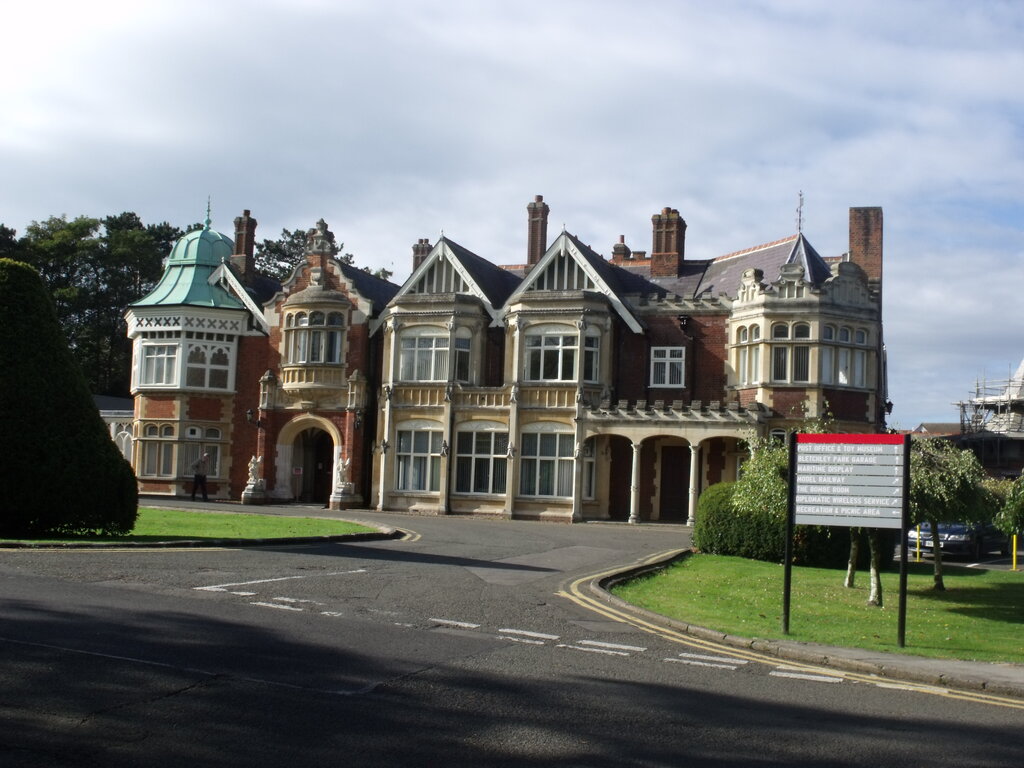
Here, mathematicians, linguists, and engineers worked around the clock to decipher enemy communications. Their work was known as codebreaking, or cryptanalysis. They weren't just solving puzzles for fun; their success or failure had a direct impact on the battlefield.
A decrypted message could reveal the location of U-boats in the Atlantic, give away troop positions before a major battle, or expose an enemy's strategic plans. This intelligence, called "Ultra," gave Allied commanders a crucial advantage throughout the war.
The war of messages was a constant cat-and-mouse game. As soon as codebreakers found a weakness, the codemakers would change their systems, and the race to crack the code would begin all over again.
This constant struggle pushed both sides to their technological limits. To keep up with the ever-increasing complexity of German codes, the codebreakers at Bletchley Park needed more than just brainpower. They needed a new kind of machine, one that could think faster than any human.
Ready to check your understanding?
What is the term for the process of converting a secret, encrypted message back into its original, readable form?
Germany's Enigma machine created a powerful cipher by using a series of __________ to scramble text, with the settings changed daily.