The Coca-Cola Phenomenon
Origins and Early History
The Five-Cent Cure
In 1886, Atlanta was a city rebuilding, a place of new beginnings. In a small laboratory, a pharmacist named Dr. John S. Pemberton was tinkering with a new formula. He wasn't trying to create a global beverage brand; he was trying to concoct a nerve tonic, a popular type of remedy in an era of patent medicines. His brew was a mix of coca leaf extract and kola nut, creating a caramel-colored, sweet syrup.
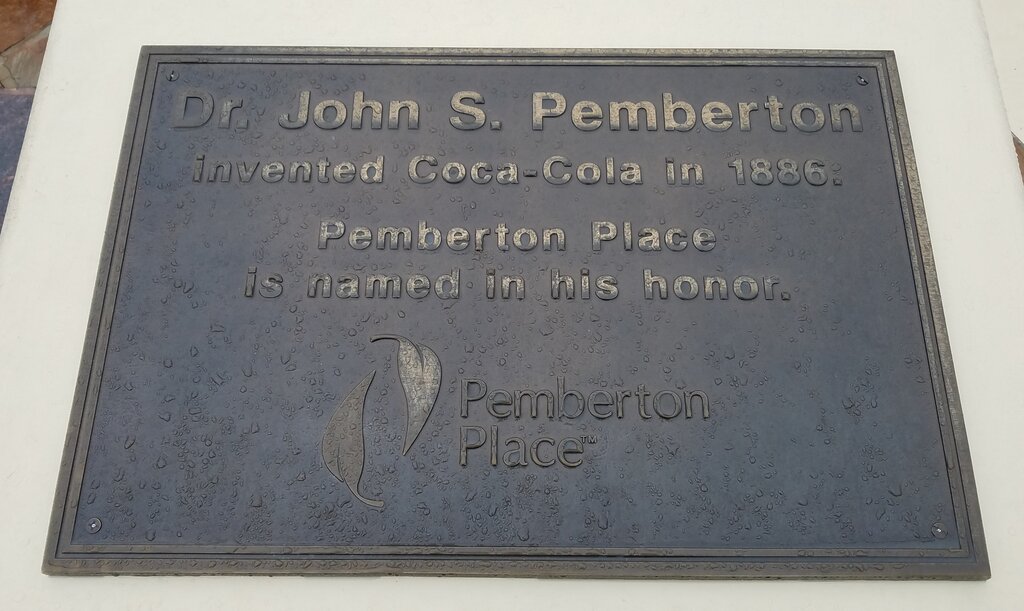
Pemberton took his syrup to a local pharmacy, Jacobs' Pharmacy, where it was mixed with carbonated water and sold at the soda fountain for five cents a glass. It was Pemberton's bookkeeper, Frank M. Robinson, who suggested the name "Coca-Cola," believing the two 'C's would look good in advertising. He also penned the famous, flowing script that is still used today.
A Businessman's Vision
Pemberton's health was failing, and he began selling off rights to his formula. An Atlanta businessman named Asa Griggs Candler saw the potential in the popular soda fountain drink. Between 1888 and 1891, Candler gradually acquired all the rights to the Coca-Cola formula for about $2,300. In 1892, he founded The Coca-Cola Company.
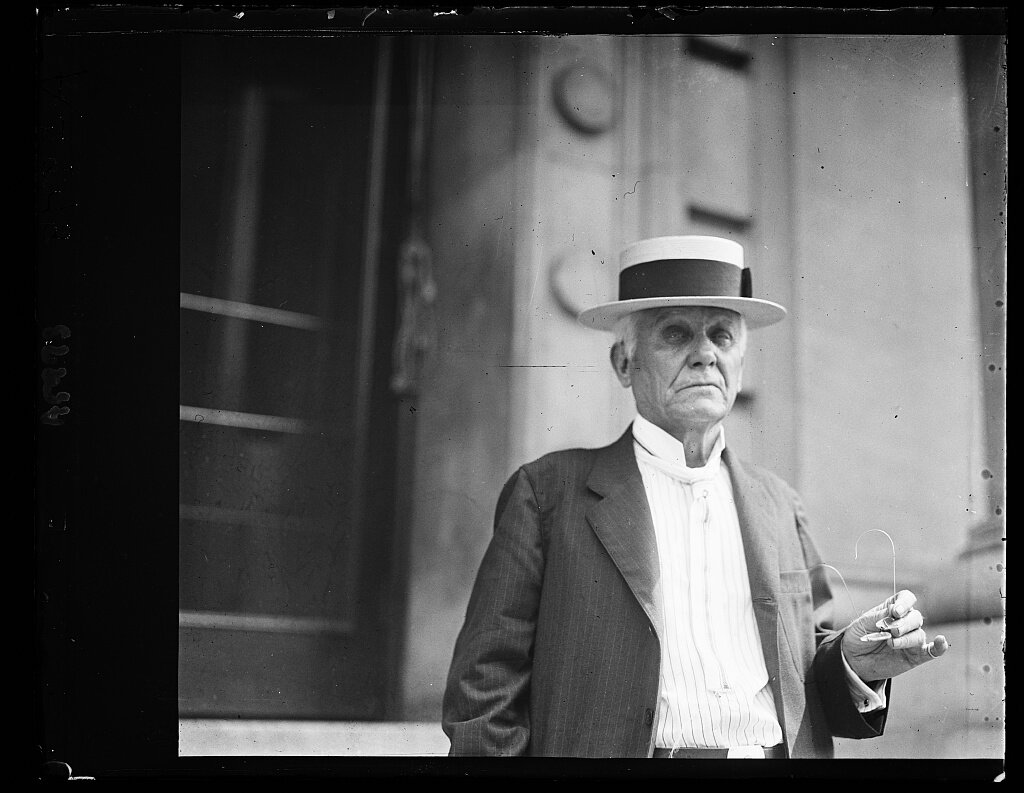
Candler was a marketing pioneer. He knew the key to growth was making sure everyone knew the name Coca-Cola. He distributed coupons for a free glass of the drink. He also blanketed the country with promotional items like clocks, urns, calendars, and signs, all bearing the distinctive Coca-Cola script. By 1895, thanks to Candler's aggressive marketing, Coca-Cola was being sold in every state in the United States.
Coca-Cola’s impact on American history is far more profound than that of a simple soft drink; it fundamentally shaped modern advertising, became a global symbol of American capitalism and culture, and played a significant role in major historical events like World War II.
The Bottle That Became an Icon
As Coca-Cola's popularity grew, so did the number of imitators. To protect the brand, the company needed a bottle that was instantly recognizable, even in the dark or if shattered on the ground. In 1915, the company launched a contest for a new bottle design.
The winning design came from the Root Glass Company of Terre Haute, Indiana. Inspired by the shape of a cocoa pod (a mistaken association with the product's name), they created a contoured bottle with distinct ribs. The design was patented on November 16, 1915.
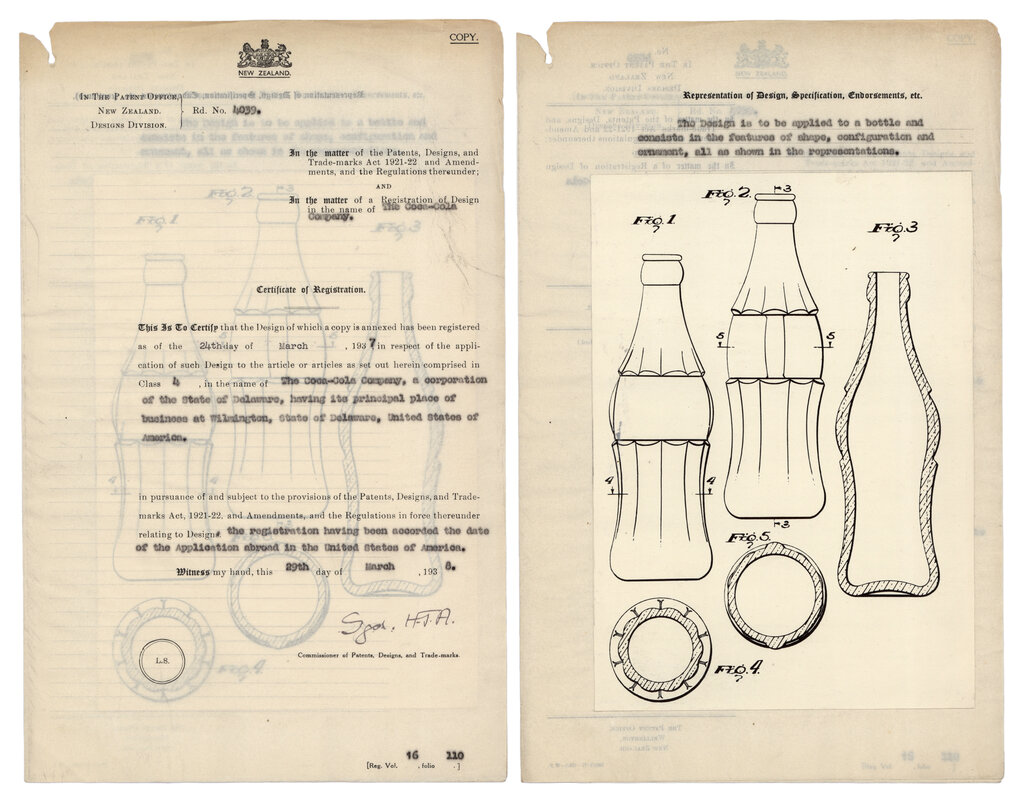
This wasn't just packaging; it was a stroke of branding genius. The contour bottle became a visual shorthand for Coca-Cola itself, distinguishing it from all competitors and cementing its place in the American landscape.
Ready to test your knowledge of Coca-Cola's early days?
What was the original intended purpose of the formula that became Coca-Cola?
Who was responsible for naming the beverage "Coca-Cola" and creating its distinctive, flowing script logo?
From a pharmacist's tonic to a national sensation, the early history of Coca-Cola was a unique blend of invention and sharp business strategy.