The Clarinet Explored
Clarinet Origins
From Ancient Reeds to Modern Keys
The clarinet's story begins long before concert halls existed. For thousands of years, people across the world created music using single-reed instruments. These were often simple pipes made from cane or wood with a vibrating reed attached to the mouthpiece. Think of ancient Egyptian reed pipes or folk instruments found throughout Europe and the Middle East. They were the distant ancestors of the instrument we know today.
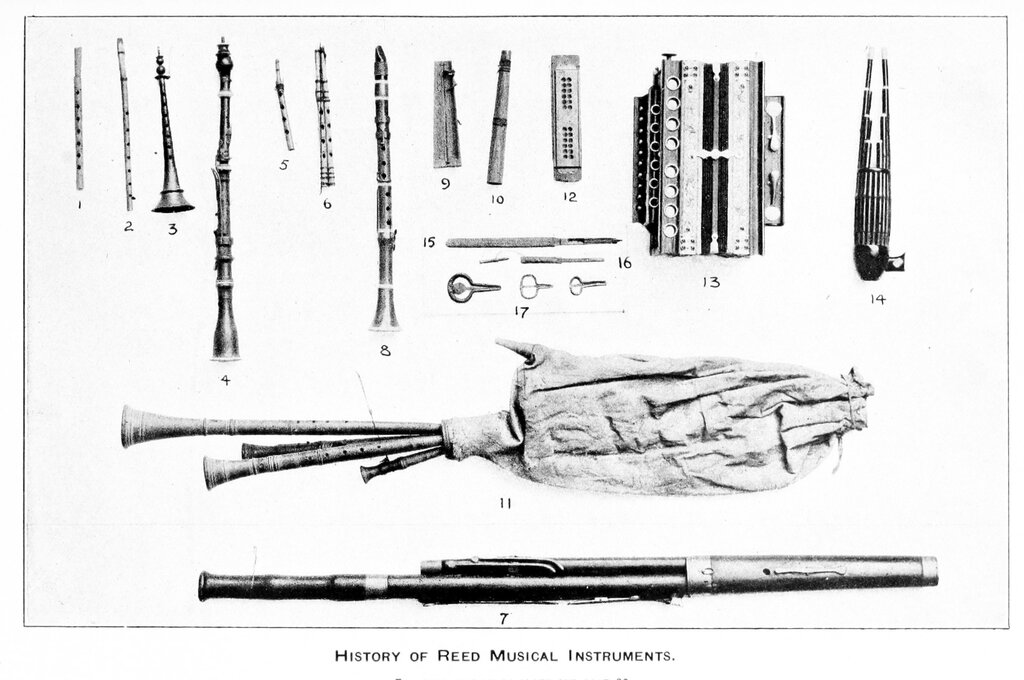
The most direct forerunner of the clarinet was an instrument called the chalumeau. Popular in Europe during the late 17th and early 18th centuries, the chalumeau was a cylindrical wooden pipe with a single reed, similar to a modern clarinet's mouthpiece. It had a soft, gentle tone and a limited range, mostly confined to the lower notes.
The chalumeau was primarily a folk instrument, not yet a staple of the orchestra. Its range was too small for more complex music.
A Revolutionary Leap
Everything changed around the year 1700 thanks to a German instrument maker named Johann Christoph Denner. He was experimenting with the chalumeau, looking for ways to improve it. His breakthrough was the addition of a special key on the back of the instrument, known as the register key.
Pressing this key caused the instrument to "overblow," producing a new, higher set of notes. This single innovation dramatically expanded the instrument's range, effectively creating two instruments in one. This new instrument, with its bright, clear upper register, was dubbed the clarinet.
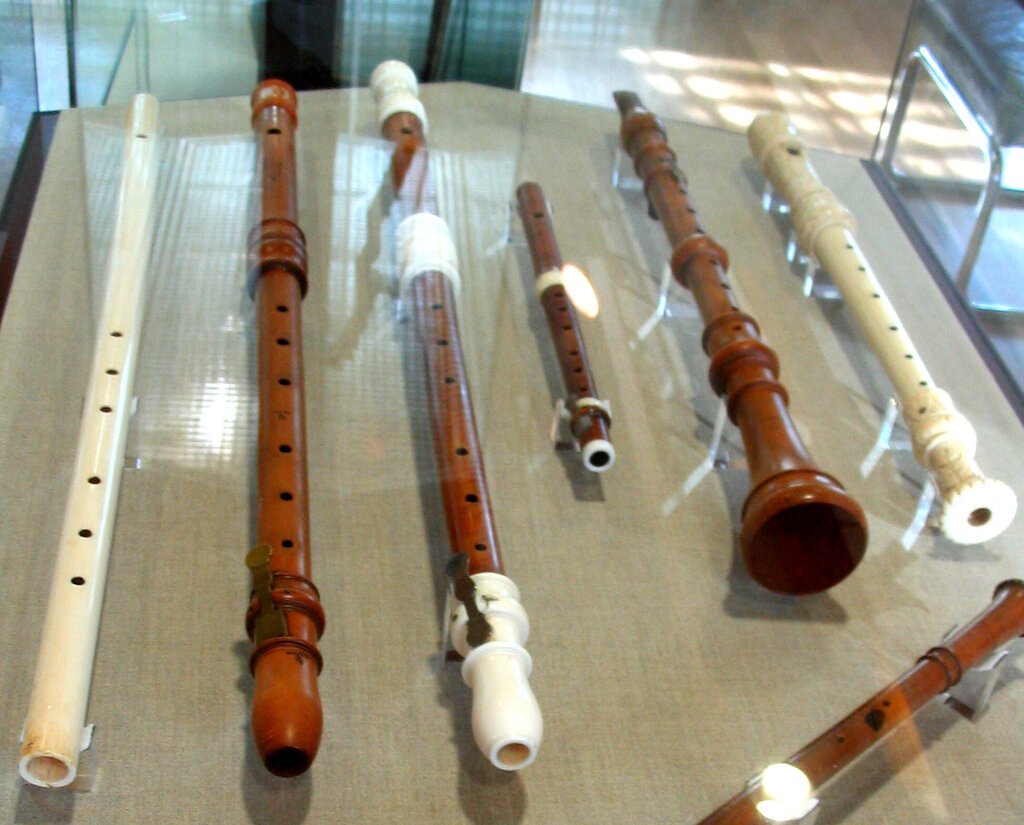
Denner's early clarinet was still quite simple, usually having only two keys. But the foundation was laid. Over the next century and a half, instrument makers continually added more keys. These additions allowed players to produce more notes with better tuning and greater ease. The goal was always to make the instrument more versatile and agile.
This evolution culminated in the mid-19th century with the development of the two main key systems still used today: the Boehm system, common in most of the world, and the Oehler system, preferred in Germany and Austria.
Finding Its Voice
As the clarinet improved, composers began to take notice. Wolfgang Amadeus Mozart was one of the first major composers to fall in love with its expressive tone, writing his famous Clarinet Concerto and Clarinet Quintet for the instrument. From that point on, the clarinet became a permanent member of the symphony orchestra, valued for its wide range and dynamic capabilities.
But its journey didn't stop there. In the early 20th century, the clarinet found a new home in the burgeoning world of jazz. In the hands of pioneers like Sidney Bechet and Benny Goodman, the clarinet became a leading solo voice, famous for its soaring, improvisational melodies. Its agility and vocal-like quality made it perfect for the new, energetic style of music.
From a simple folk pipe to a star of the orchestra and the jazz club, the clarinet's evolution is a story of clever innovation meeting artistic demand.
Let's review the key moments in the clarinet's history.
What was the most direct forerunner of the modern clarinet?
What crucial innovation by Johann Christoph Denner around 1700 led to the creation of the clarinet?