The Citric Acid Cycle Explained
Cellular Respiration Overview
The Cell's Power Plant
Every living cell needs energy to function, from contracting a muscle to building a new protein. This energy comes from the food we eat, but our cells can't use a sandwich directly. Food molecules, like glucose, must be converted into a form of energy the cell can actually use. This conversion process is called cellular respiration.
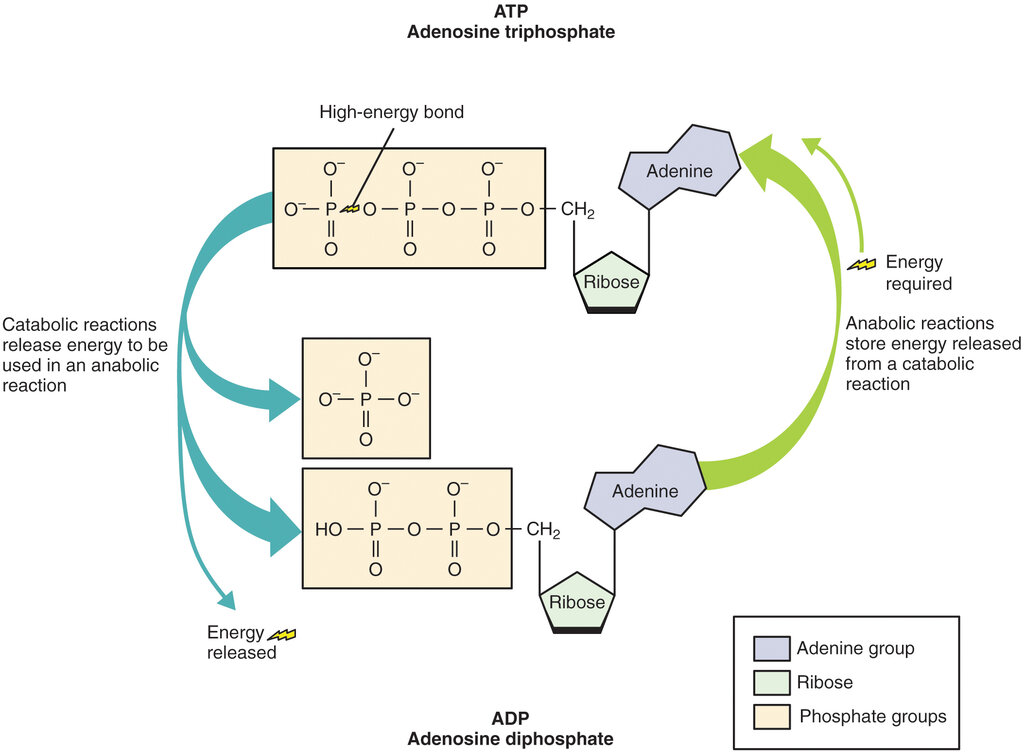
Cellular respiration is the process by which our cells break down glucose or other food molecules, with the aim of producing ATP, a useable form of energy for our cells.
Think of it like a power plant. A plant burns coal or natural gas to generate electricity that homes and businesses can use. Similarly, your cells "burn" glucose to generate a high-energy molecule called adenosine triphosphate, or ATP. ATP is the universal energy currency of the cell. Whenever a cell needs to perform a task, it "spends" ATP.
A Three-Stage Process
Cellular respiration isn't a single event. It's an assembly line of chemical reactions, broken down into three main stages. Each stage passes its products on to the next, gradually extracting energy from the original glucose molecule.
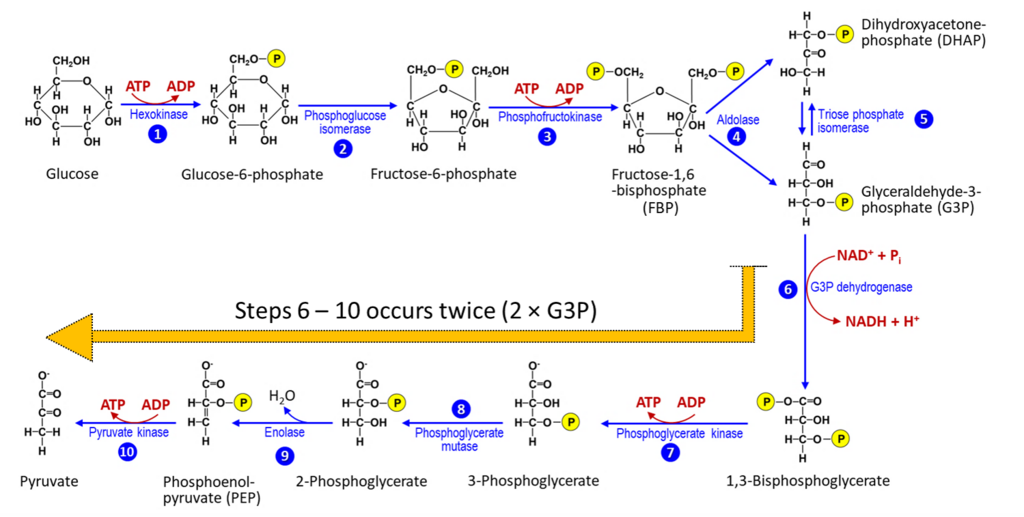
- Glycolysis: The process kicks off in the cell's cytoplasm. Here, a single glucose molecule (a 6-carbon sugar) is split into two smaller molecules called pyruvate (each with 3 carbons). This initial split releases a small amount of energy, captured in a couple of ATP molecules. Glycolysis is unique because it doesn't require oxygen.
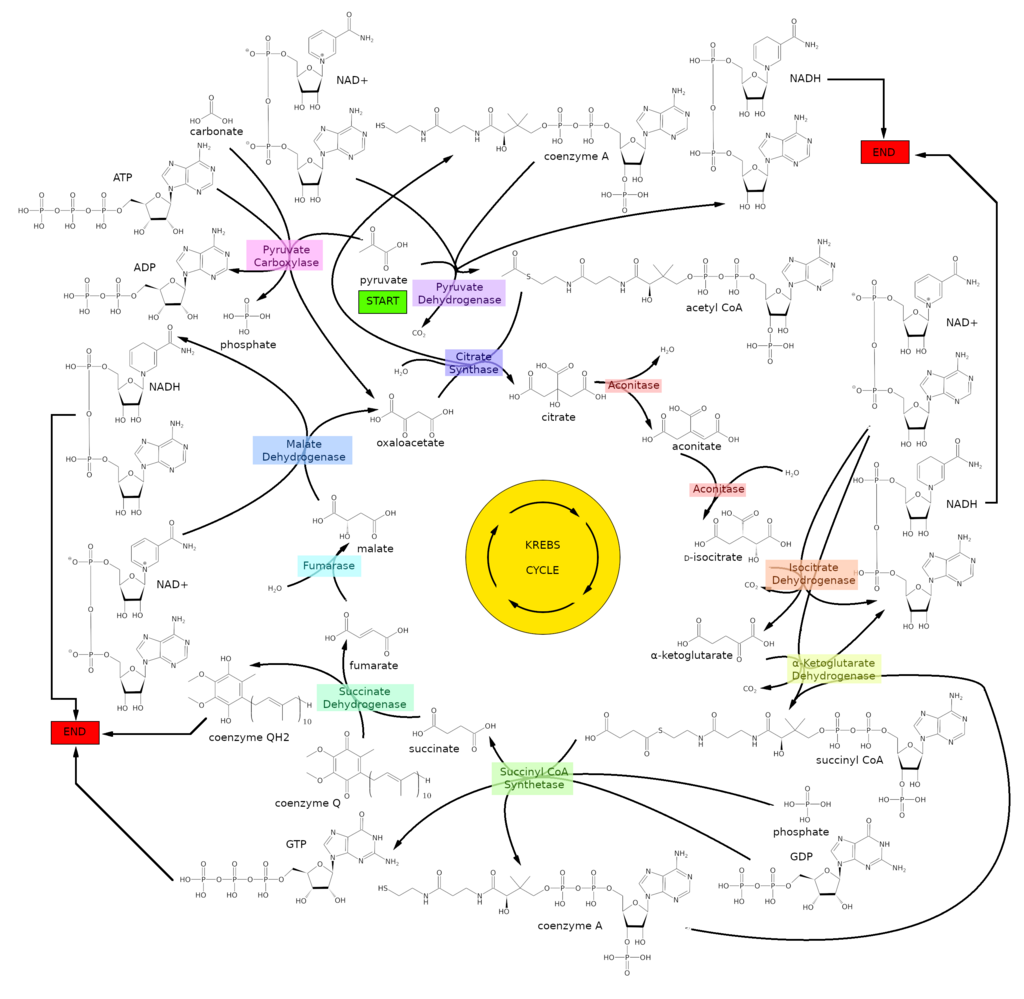
- The Citric Acid Cycle: The two pyruvate molecules then move into the mitochondria, the cell's main powerhouses. Here, they enter a series of reactions also known as the Krebs cycle. In this cycle, the pyruvate molecules are completely broken down, and their carbon atoms are released as carbon dioxide, the same gas you exhale. This stage harvests more energy, storing it in other energy-carrying molecules for the final step.
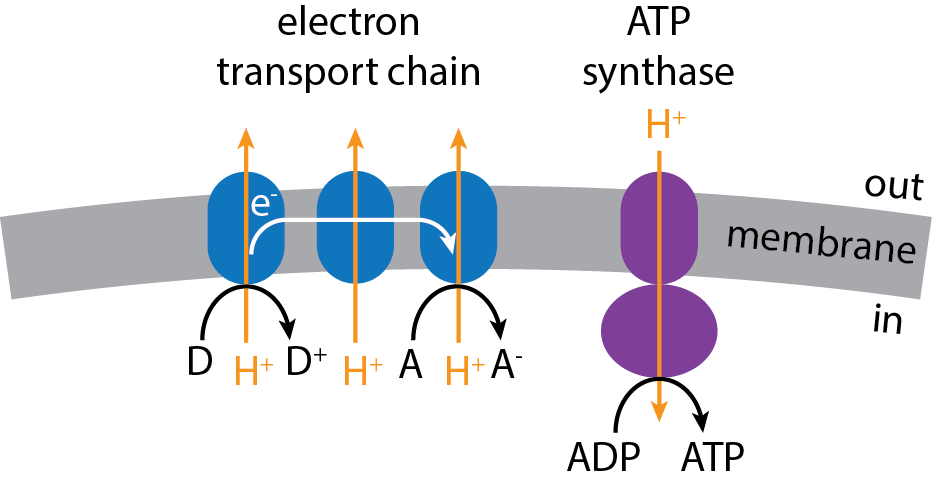
- Oxidative Phosphorylation: This is the final stage and the main event for ATP production. It also takes place in the mitochondria. The energy carriers from the first two stages drop off their high-energy electrons to a series of proteins embedded in the mitochondrial membrane, called the electron transport chain. As electrons are passed down this chain, energy is released and used to pump protons, creating a gradient. This process requires oxygen, which acts as the final electron acceptor. The flow of protons back across the membrane powers an enzyme called ATP synthase, which generates a large amount of ATP.
The Energy Payoff
From a single molecule of glucose, cellular respiration can produce a significant amount of ATP. While glycolysis provides a quick, small burst of energy, it's the final stage, oxidative phosphorylation, that generates the vast majority of the cell's energy supply. This entire process allows the energy stored in your food to be efficiently converted into a form that powers all of life's activities.
Let's review what we've covered about this fundamental process.
What is the primary purpose of cellular respiration?
Which molecule is often called the "universal energy currency" of the cell?
Understanding this overview is the first step. Next, we'll take a closer look at the central hub of this process: the citric acid cycle.