The Circulatory System Explained
Introduction to the Circulatory System
The Body's Delivery Service
Think of your body as a massive, bustling city with trillions of inhabitants—your cells. Every single one of these cells needs a constant supply of food and oxygen to function, and they all produce waste that needs to be hauled away. How does this massive city manage its logistics? It uses a sophisticated delivery network called the circulatory system.
The circulatory system, also known as the cardiovascular system, is your body's internal transport network. Its primary job is to move substances from one place to another, ensuring every cell gets what it needs to survive.
Without this system, your brain wouldn't get the oxygen it needs to think, your muscles wouldn't get the energy to move, and toxic waste would build up, quickly leading to system failure. It's a non-stop operation that's essential for life.
The Main Components
This delivery service relies on three main components working together in perfect harmony: the heart, the blood vessels, and the blood.
The essential components of the human cardiovascular system are the heart, blood, and blood vessels.
The Heart: This is the powerful, muscular pump at the center of the network. About the size of your fist, the heart tirelessly contracts and relaxes, pushing blood throughout your body with every beat.
Blood Vessels: These are the highways, roads, and tiny side streets of the circulatory system. They form a vast, branching network that reaches every nook and cranny of your body. Vessels carry blood away from the heart, deliver it to the cells, and then bring it back to the heart to start the journey all over again.
Blood: This is the transport fluid itself. Blood is the vehicle that carries all the precious cargo—oxygen, nutrients, hormones, and cells that fight infection—as well as the waste products, like carbon dioxide.
What It Transports
The circulatory system is a master of multitasking, handling several critical delivery and pickup jobs simultaneously.
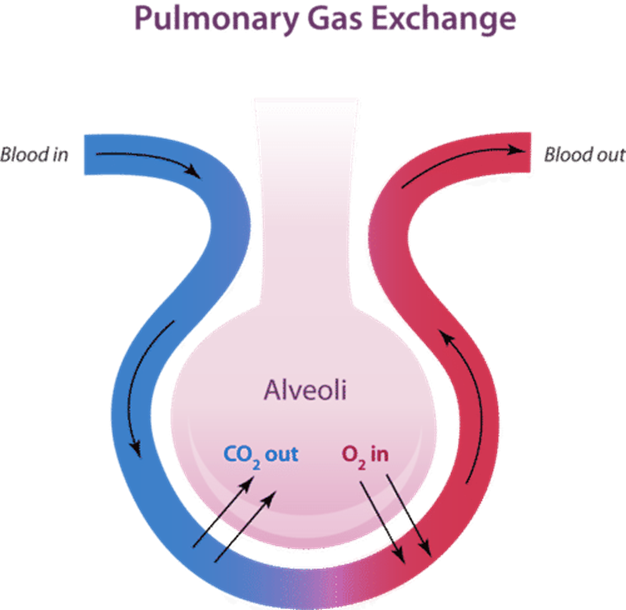
First, it delivers oxygen. When you breathe in, oxygen enters your lungs and is picked up by the blood. The heart then pumps this oxygen-rich blood to all your body's tissues. Cells use this oxygen to create energy.
Second, it transports nutrients. After you eat, your digestive system breaks down food into basic nutrients like glucose. These nutrients are absorbed into the blood and delivered to your cells, providing the fuel they need to grow, repair, and function.
Finally, it's a waste removal service. As cells use oxygen and nutrients, they produce waste products, most notably carbon dioxide. The blood picks up this waste and transports it to other organs, like the lungs and kidneys, to be removed from the body.
Now, let's test your understanding of these core concepts.
What are the three main components of the circulatory system?
In the analogy of the body as a bustling city, what role do the blood vessels play?
This constant, circular journey of blood ensures that your body maintains a stable internal environment, a state known as homeostasis. It’s a beautifully efficient system that keeps you alive and moving.