The Circulatory System Explained
Introduction to the Circulatory System
Your Body's Delivery Service
Think about how a city gets everything it needs. Trucks and vans travel on a complex network of highways and streets, delivering food, mail, and other essential goods. Your body has a similar system working around the clock. It's called the circulatory system, and it’s your personal delivery network.
The main job of the circulatory system is to transport substances like oxygen and nutrients to all the cells in your body and to carry away waste products like carbon dioxide.
This network ensures that every single one of your trillions of cells gets what it needs to function. Without it, your cells couldn't get energy, and waste would build up. It’s a vast and vital system that keeps you alive and moving.
The Engine
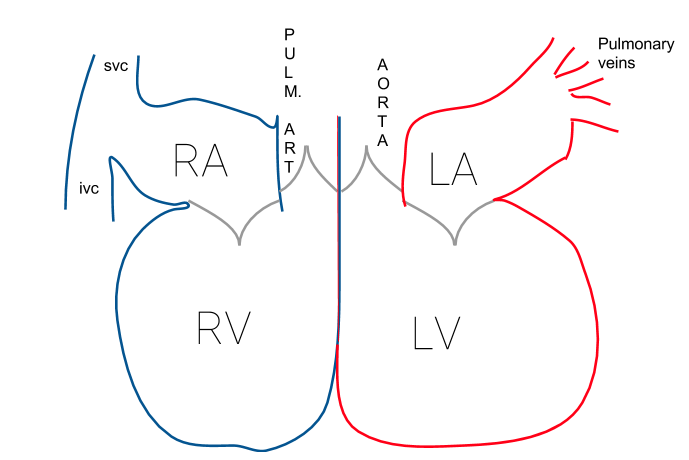
Every great delivery service needs a powerful engine at its center. In your circulatory system, that engine is the heart. This muscular organ works tirelessly, pumping blood through your body with every beat.
The heart is essentially a powerful, two-sided pump. One side receives blood that has circulated through the body and pushes it to the lungs to pick up fresh oxygen. The other side receives this oxygen-rich blood from the lungs and pumps it out to the rest of the body, starting the cycle all over again. It beats about 100,000 times a day, moving thousands of gallons of blood.
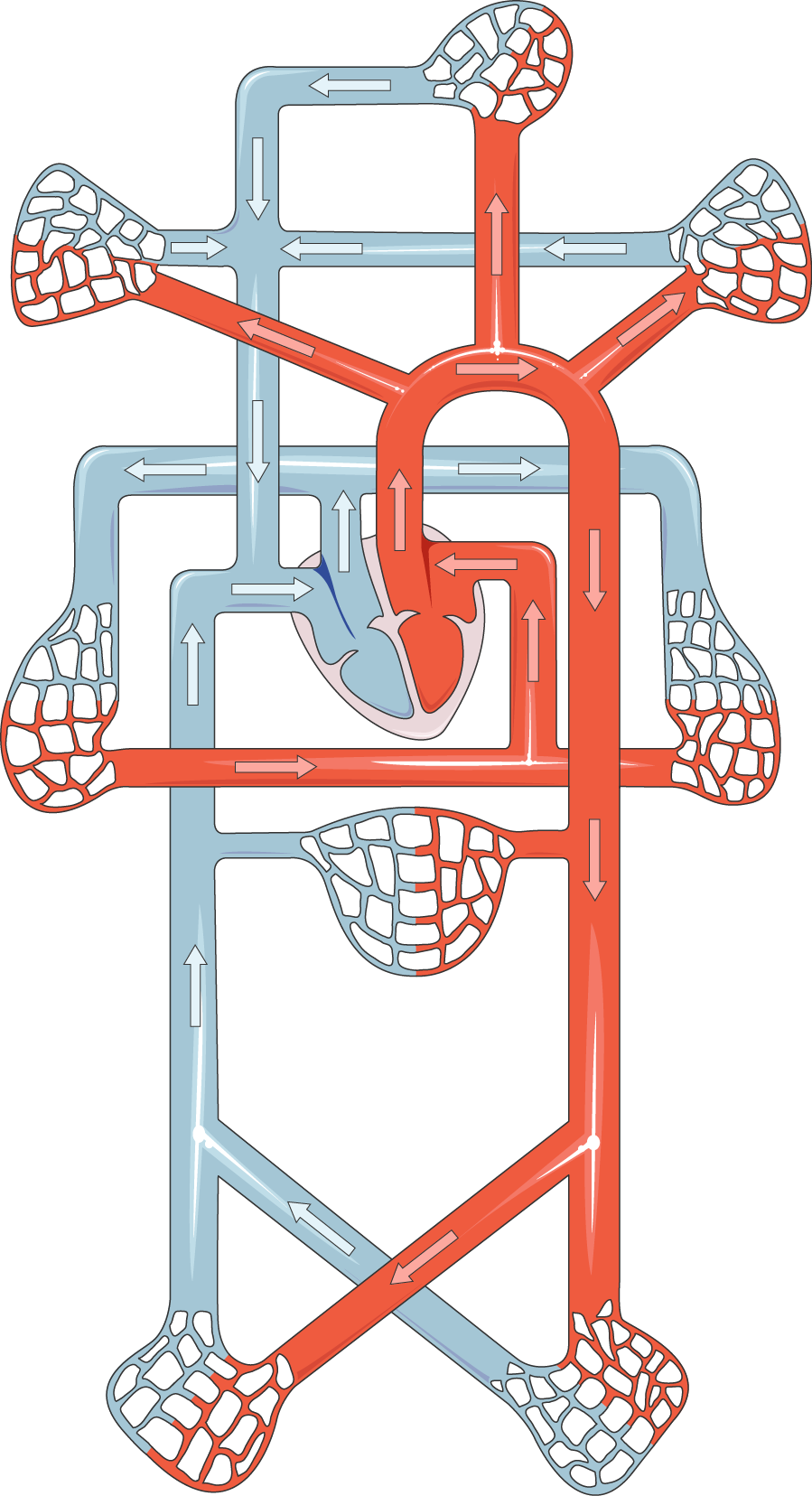
The Highways and Side Streets
The blood doesn't just slosh around inside you. It travels through an incredible 60,000-mile network of tubes called blood vessels. If you could lay them all out end-to-end, they would circle the Earth more than twice. There are three main types of blood vessels, each with a different job.
Artery
noun
A blood vessel that carries blood away from the heart to other parts of the body.
Arteries are the major highways. They are strong, muscular tubes that carry oxygen-rich blood from the heart to the rest of the body. Think of them as the main interstates leaving the central warehouse (the heart).
Vein
noun
A blood vessel that carries blood from the body back toward the heart.
Veins are the return routes. After the blood has delivered its oxygen and nutrients, veins carry it back to the heart to be pumped to the lungs for another oxygen fill-up. They are the highways heading back to home base.
Capillary
noun
A very tiny blood vessel that connects arteries and veins, allowing for the exchange of substances.
Capillaries are the small residential streets where the actual deliveries happen. These vessels are incredibly thin, sometimes so narrow that blood cells have to line up single file to pass through. Their thin walls allow oxygen and nutrients to pass from the blood into the cells, and waste products to move from the cells into the blood. Capillaries form a bridge between the arteries and veins.
Together, the heart and this vast network of vessels make up the circulatory system, a continuous loop that keeps your entire body supplied and running smoothly.
Which organ acts as the central pump for the circulatory system, moving blood throughout the body?
If you could lay all the blood vessels in your body end-to-end, they would stretch over 60,000 miles.
This system is the foundation for how your body functions, delivering what's needed and clearing out what's not.