The Circulatory System Explained
Circulatory System Overview
The Body's Delivery Network
Think of your body as a massive, bustling city. Every single cell is a resident that needs supplies and has trash to be picked up. The circulatory system is the sophisticated delivery network that makes this all possible. It's a continuous loop that ensures every part of you gets what it needs to function.
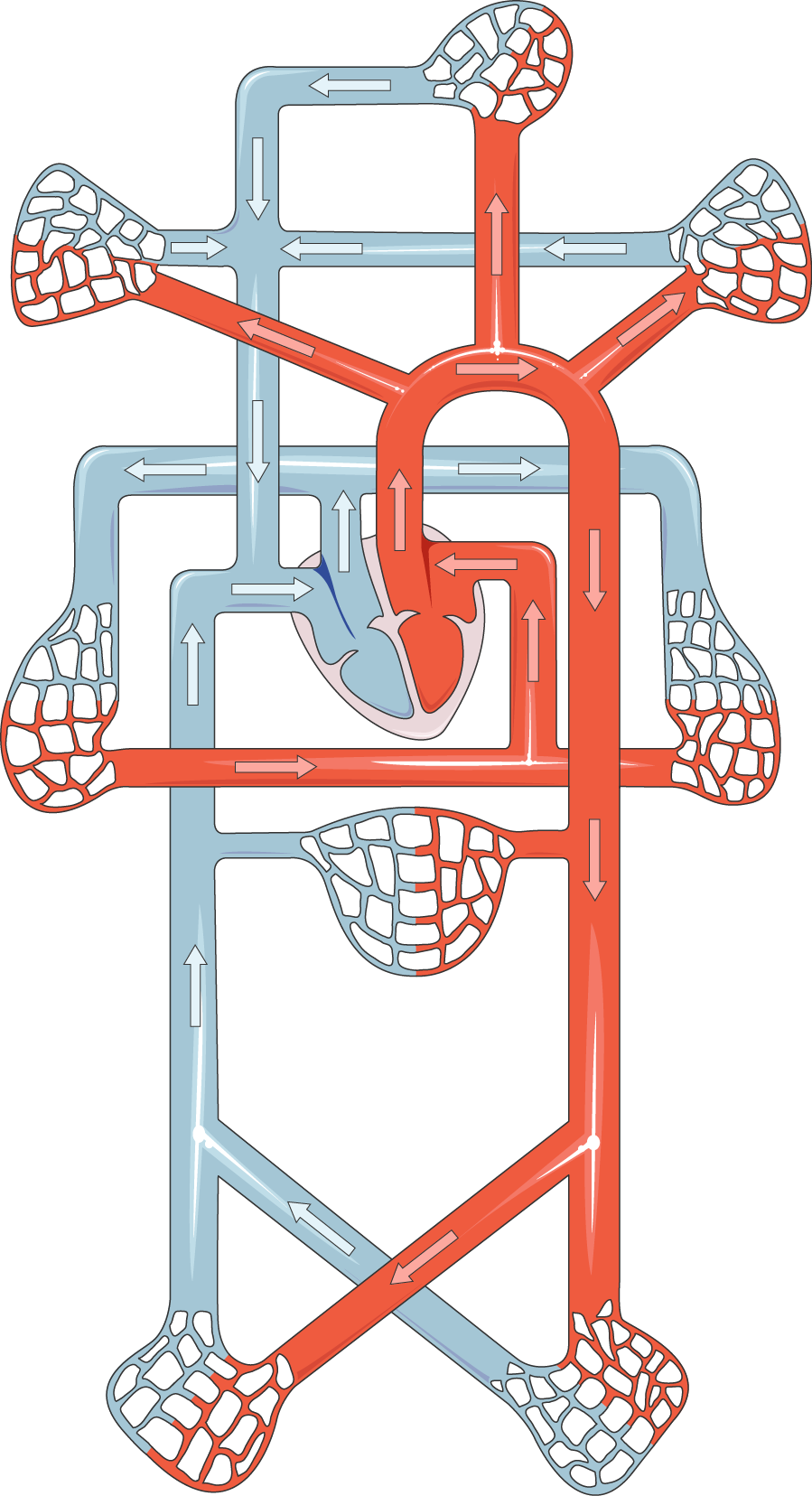
The essential components of the human cardiovascular system are the heart, blood, and blood vessels.
This system has three main parts. The heart is the powerful central pump. The blood vessels are the roadways, a vast network of tubes branching out everywhere. And blood is the transport vehicle, carrying precious cargo through those vessels.
Delivering Supplies, Removing Waste
The primary job of the circulatory system is transport. Just like a delivery service, it has pickups and drop-offs. Blood picks up oxygen from the lungs and nutrients from your digestive system. It then delivers these essentials to every cell, from your brain to the tips of your toes. Without this constant supply, cells couldn't produce energy and would quickly die.
On its return trip, the blood collects waste products, like carbon dioxide, from the cells. It carries these waste materials to organs like the lungs and kidneys, which can remove them from the body. This continuous cleanup is crucial for maintaining a stable internal environment, a state known as homeostasis.
Two Main Routes
This delivery network isn't a single, simple loop. It's divided into two major circuits that work together: pulmonary and systemic circulation.
The pulmonary circulation is the short loop between the heart and the lungs. Its only job is to get the blood oxygenated.
The systemic circulation is the much larger loop that runs between the heart and the rest of the body. This circuit delivers that oxygen-rich blood to all your tissues and brings the oxygen-poor blood back to the heart to start the cycle again.
Together, these two circuits ensure a non-stop, efficient process. Blood gets loaded with oxygen in the pulmonary circuit and then immediately sent out to deliver it via the systemic circuit, keeping the entire 'city' of your body alive and well.