The Chicken Egg Lifecycle Explained
Introduction to Avian Reproduction
A Hen's Egg Factory
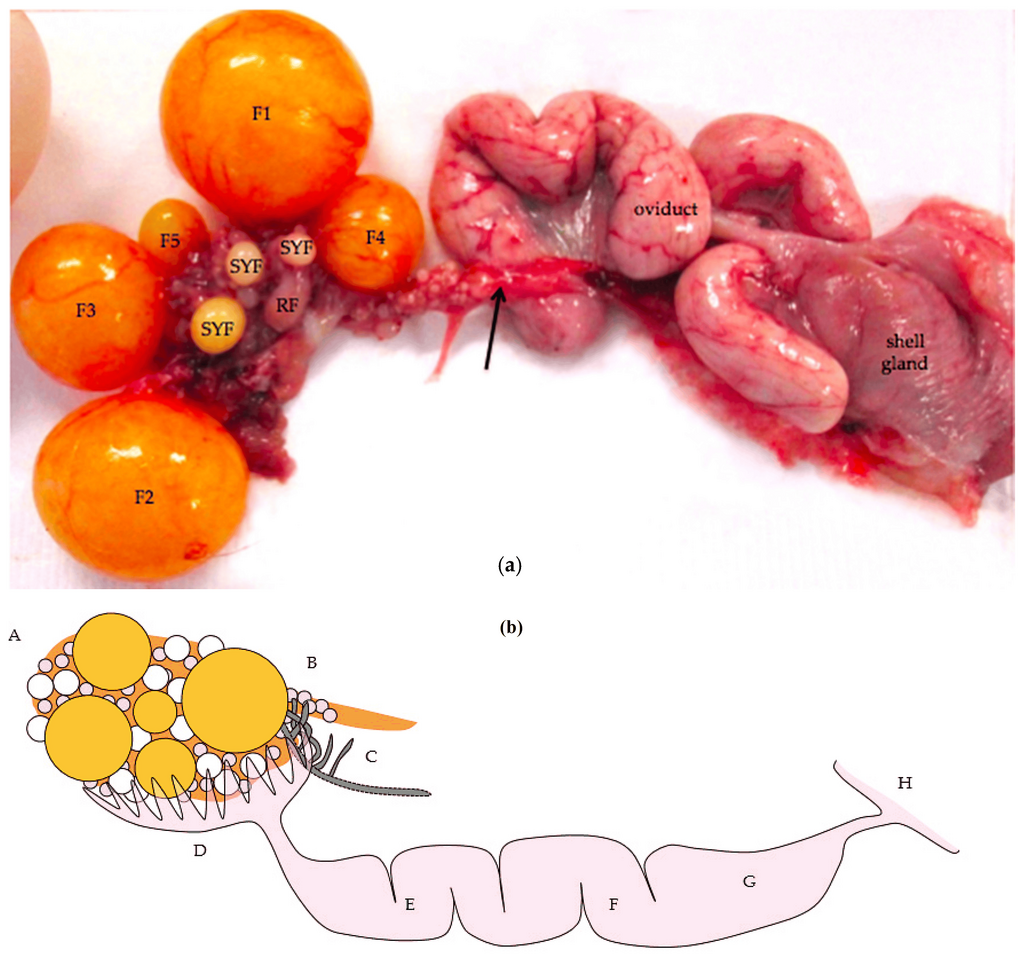
A hen's reproductive system is a highly efficient assembly line for producing eggs. It consists of two main parts: the ovary, which produces the yolk, and the oviduct, a long, coiled tube where the rest of the egg is formed. Unlike mammals, most female birds have only one functional ovary and oviduct, typically the left one. The right side stops developing when the chick is still an embryo.
The Ovary
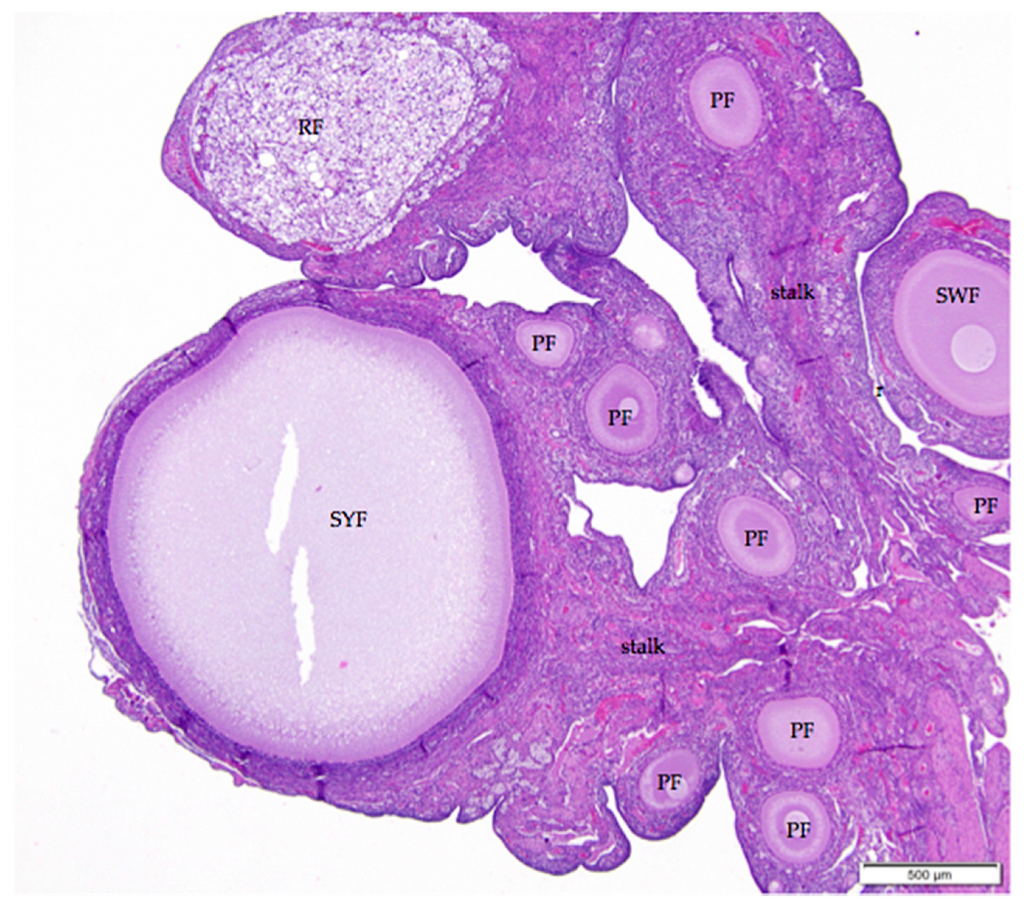
The ovary is where the egg's journey begins. A mature hen's ovary looks like a small cluster of grapes, containing thousands of tiny ova, or potential yolks. Each ovum is enclosed in its own sac, called a follicle.
As a hen matures, a few of these follicles begin to grow, accumulating yellow yolk material. These developing yolks form a clear hierarchy, with the largest one being the next in line to be released. This process of releasing a mature yolk from the ovary is called ovulation.
Ovulation
noun
The release of a mature ovum (yolk) from the ovarian follicle.
The Oviduct
Once the yolk is released, it's caught by the oviduct, a muscular tube that's about 25 inches long. This is where the albumen (egg white), shell membranes, and the shell are added. The journey through the oviduct takes about 25 hours. The oviduct is made up of five distinct sections, each with a specific job.
| Part of Oviduct | Primary Function | Time Spent |
|---|---|---|
| Infundibulum | Catches the yolk after ovulation. Fertilization happens here if sperm are present. | ~15 minutes |
| Magnum | Secretes the thick albumen, or egg white, around the yolk. | ~3 hours |
| Isthmus | Adds the two shell membranes, which are thin, tough layers just inside the shell. | ~75 minutes |
| Uterus (Shell Gland) | Forms the hard outer shell and adds pigment if the egg is colored. The egg spends the most time here. | ~20 hours |
| Vagina | Adds a thin outer coating called the cuticle or bloom and holds the egg before it's laid. | Brief |
Once the egg is complete, it passes through the vagina and is laid via an opening called the cloaca, which is also used for waste elimination. The entire system is a remarkable example of natural engineering, optimized for producing a complex, self-contained life-support system for a developing embryo.
What are the two primary components of a hen's reproductive system?
The process of a mature yolk being released from the ovary is called:
Understanding this basic anatomy is the first step in appreciating the complex process of how a chicken produces an egg.