The Chicago School of Economics
Introduction to Economic Schools
Schools of Economic Thought
Economics isn't one single set of beliefs. Instead, it's a collection of different perspectives, or "schools of thought." Think of them like different coaching philosophies in sports. While all coaches want to win, they have different strategies for getting there. Some might focus on a strong defense, while others prioritize a fast-paced offense.
Similarly, economists all want to understand how economies work, but they often disagree on the best way to achieve goals like growth and stability. You might hear about Classical economics, which champions free markets, or Keynesian economics, which argues for government intervention during downturns. These schools of thought offer competing frameworks for analyzing economic problems.
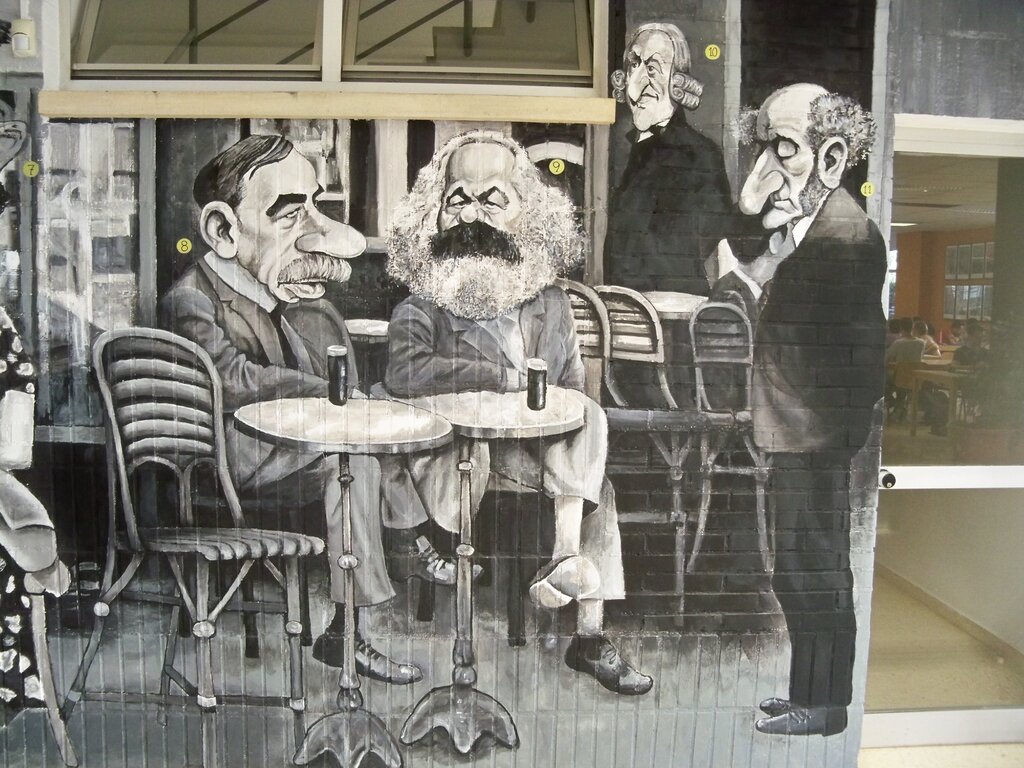
These different viewpoints arise from different core assumptions about human behavior and the role of government. Each school provides a unique lens through which to see the world, leading to different conclusions and policy recommendations.
The Rise of the Chicago School
New economic ideas often emerge in response to major world events. In the 1930s, the Great Depression shook the foundations of economic theory. The dominant belief in self-correcting markets seemed to fail as economies worldwide collapsed. In response, Keynesian economics, with its emphasis on government spending to stimulate demand, became widely accepted.
But not everyone was convinced. At the University of Chicago, a group of economists began to develop a powerful counter-narrative. They questioned the effectiveness of government intervention and sought to build a framework based on individual freedom and market efficiency. This intellectual movement became known as the Chicago School of Economics.

Core Principles
The Chicago School is built on a few key pillars that set it apart from other economic theories.
The first is a powerful belief in free markets. Chicago School economists argue that competitive markets are the most efficient way to allocate resources. They see prices as signals that convey vital information, guiding producers and consumers to make the best decisions. From this perspective, government intervention, like price controls or excessive regulation, often distorts these signals and leads to worse outcomes.
Another core tenet is monetarism. This idea, most famously associated with Milton Friedman, posits that the money supply is the primary determinant of economic activity, especially inflation. While Keynesians focused on fiscal policy (government taxing and spending), monetarists argue that central banks should focus on maintaining a steady, predictable growth in the money supply. They believe that attempts to fine-tune the economy often do more harm than good.
Finally, the Chicago School championed the theory of rational expectations. This theory assumes that people are forward-looking and use all available information when making economic decisions. They learn from past experiences and anticipate the effects of government policies. This means that predictable policies, like trying to boost the economy with surprise inflation, won't work in the long run because people will adjust their behavior accordingly. It suggests that only unexpected policy shifts can have a real short-term effect.
What major historical event directly led to the rise of Keynesian economics, the school of thought the Chicago School later emerged to challenge?
According to the monetarist view associated with the Chicago School, what is the primary driver of economic activity and inflation?