The Chemistry of Cooking
Introduction to Food Chemistry
The Kitchen as a Laboratory
Every time you cook, you're running a delicious experiment. The sizzle of onions in a pan, the rising of bread in the oven, or the thickening of a sauce are all results of chemical reactions. Your kitchen is a laboratory, and your ingredients are the chemicals.
Understanding a few basic principles of food chemistry can transform you from someone who just follows recipes to someone who truly understands cooking. It all starts with knowing what your food is made of.
Meet the Macronutrients
At a chemical level, all food is a combination of three main building blocks, called macronutrients: proteins, carbohydrates, and fats. Each one behaves differently when you apply heat or mix it with other ingredients. Let's break them down.
Protein
noun
Large, complex molecules made up of smaller units called amino acids. They are essential for building and repairing tissues in the body.
Proteins provide structure to both plants and animals. Think of them as long, coiled chains. When you apply heat, these chains unwind and change shape. This process is called denaturation.
A perfect example is frying an egg. The clear, liquid egg white (which is mostly protein and water) turns solid and white. The proteins have denatured and linked together, creating a new structure. This same process happens when you cook a piece of meat, making it firm and opaque.
Next up are carbohydrates.
Carbohydrate
noun
Molecules made of carbon, hydrogen, and oxygen, typically classified as sugars, starches, and fibers. They are the body's primary source of energy.
Carbohydrates, often called "carbs," come in two main forms in our food: simple sugars and complex starches. Sugars, like sucrose (table sugar) or fructose (in fruit), provide sweetness. Starches, found in foods like potatoes and flour, are long chains of sugar molecules linked together.
When heated, carbohydrates undergo dramatic changes. Sugars can melt and brown, creating deep, complex flavors. Starches can absorb water and swell, which is how rice cooks and a flour-based sauce thickens. These reactions are responsible for the golden-brown crust on a loaf of bread and the sweetness of roasted vegetables.
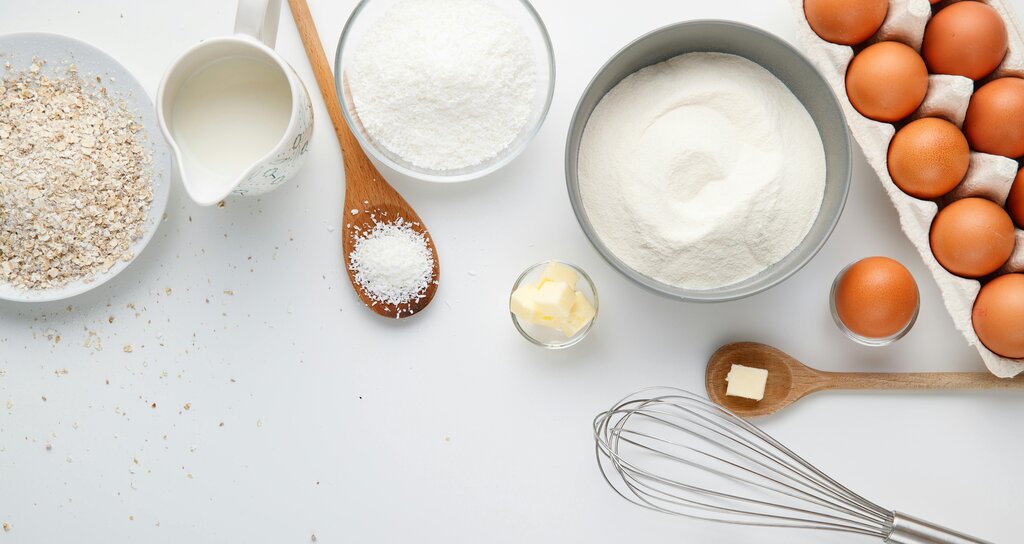
Finally, let's talk about fats.
Fat
noun
A type of lipid, a substance that is insoluble in water. Fats are essential for absorbing vitamins and are a major source of stored energy.
Fats, which include oils like olive oil and solid fats like butter, play a huge role in flavor and texture. Many flavor compounds are fat-soluble, meaning they only dissolve in fat. This is why fats carry flavor so well and give food a rich mouthfeel.
Fats are also excellent at transferring heat. When you fry food, the hot oil cooks it much more quickly and evenly than hot air would. At different temperatures, fats change their physical state, melting from a solid to a liquid. This change helps combine ingredients and adds moisture and tenderness to baked goods.
Cooking as Chemical Change
When we cook, we're not just heating food. We're applying energy to create chemical reactions. These reactions rearrange the molecules in proteins, carbs, and fats to create entirely new substances with different flavors, aromas, and textures.
The process of cooking is not just about applying heat; it’s a complex series of chemical reactions that alter the composition, texture, and flavor of food.
Chopping an onion, adding a squeeze of lemon juice, or mixing oil and vinegar are also chemical actions. Each step in a recipe is designed to manage these reactions to produce a specific result.
By understanding the basic roles of these three macronutrients, you've taken the first step toward mastering the chemistry of the kitchen. Now you know why an egg gets firm, a sauce gets thick, and butter carries flavor.
Ready to test your knowledge? Let's see what you've learned about the building blocks of food.
What are the three main chemical building blocks of all food, also known as macronutrients?
When you fry an egg, the clear liquid egg white turns solid and white. What is this process called?
With this foundation, you're ready to explore some of the more specific and fascinating reactions that happen every time you cook.