The Charles River A Regional Lifeline
Introduction to the Charles River
The Winding Path
The Charles River begins its journey as a modest stream in Hopkinton, Massachusetts. From there, it embarks on a surprisingly long and twisting route to the sea. Although its source and mouth are only 26 miles apart in a straight line, the river meanders for 80 miles, passing through 23 different cities and towns.
Its path is famously indirect. The river flows generally northeast, but takes many detours, forming large loops and bends. This leisurely pace creates a varied landscape along its banks, from quiet suburban woodlands to the bustling urban centers of Cambridge and Boston. It finally empties into the Atlantic Ocean through Boston Harbor, forming a wide basin that separates the two cities.
This convoluted route is due to the region's geology, sculpted by glaciers thousands of years ago. The ice sheets left behind a landscape of low hills and wetlands that the river had to navigate around, creating its signature crooked shape.
A River Through Time
Long before European settlers arrived, the area around the river was home to Native American tribes. They knew the river by a different name.
meandering
This name, from the Algonquian language, perfectly captures the river’s winding character. The river was a vital resource, providing food, water, and transportation routes.
When English colonists arrived in the 17th century, the Charles River became central to the region's development. It powered early industry, with mills built along its banks to harness the water's energy for grinding grain and sawing lumber. Later, during the Industrial Revolution, it became a hub for manufacturing, shaping the economies of towns like Waltham and Watertown.
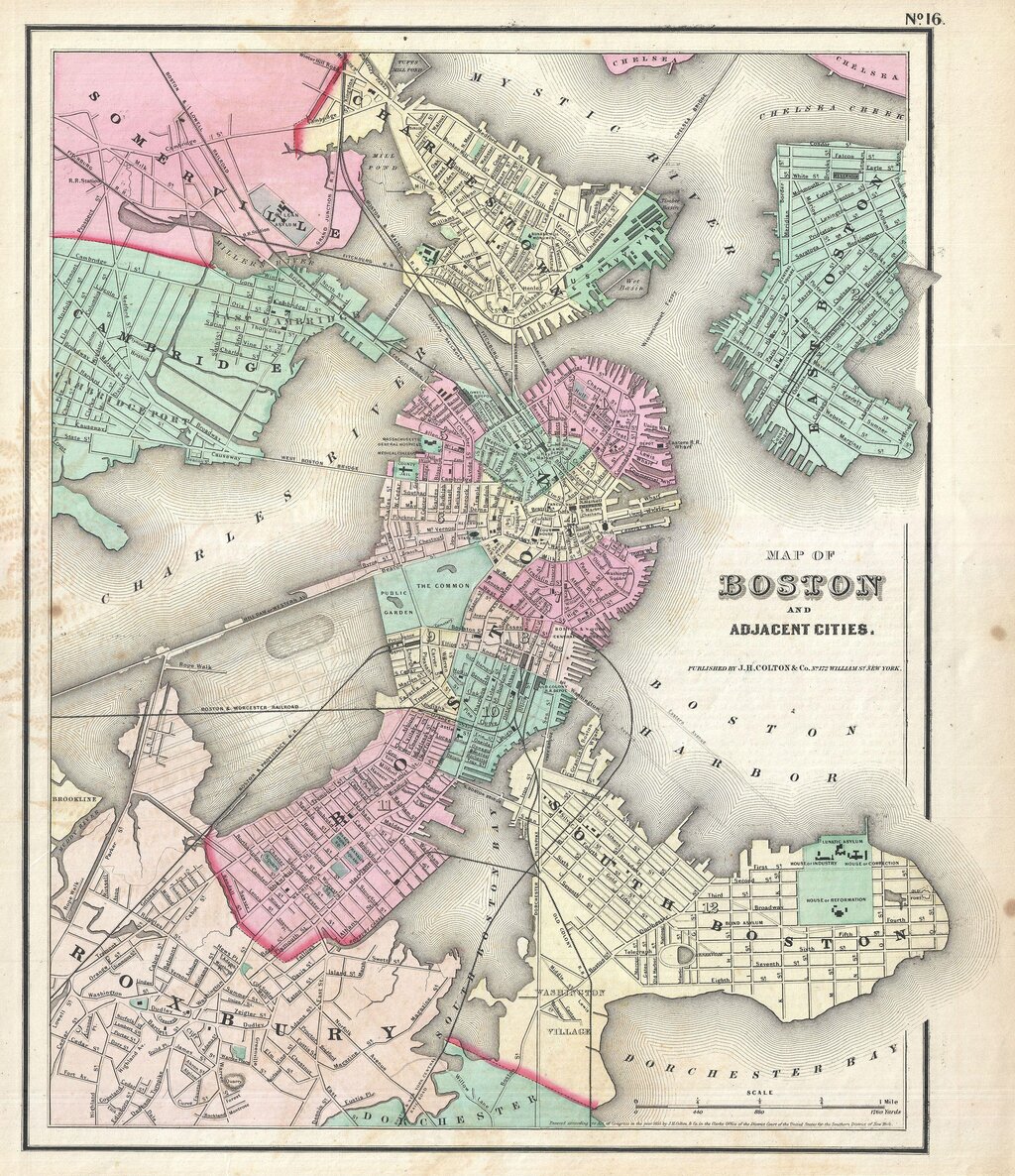
The river also defined the growth of Boston itself. Much of what is now the city's Back Bay neighborhood was once a wide, tidal mudflat of the Charles. A massive landfill project in the 19th century transformed the area, creating new land for the expanding city and giving the river the more defined channel we see today.
Ecological Heartbeat
The Charles River is more than just a waterway; it's a diverse and dynamic ecosystem. Its journey from a freshwater stream to a brackish estuary creates a range of habitats that support a surprising amount of wildlife.
| Habitat | Description | Common Species |
|---|---|---|
| Upper River | Narrow, slow-moving freshwater stream with wooded banks. | Largemouth bass, sunfish, painted turtles, muskrats |
| Middle River | Wider, with more open wetlands and marshes. | Herons, egrets, carp, river otters |
| Lower Basin | A wide, open body of brackish water influenced by ocean tides. | Striped bass, bluefish, cormorants, herring gulls |
The river's wetlands and marshes act as natural filters, improving water quality and providing critical nursery grounds for fish and amphibians. They also serve as important stopover points for migratory birds. In the urban basin, the river provides a vital corridor of green space, offering a habitat for adaptable wildlife and a natural escape for the city's human residents.
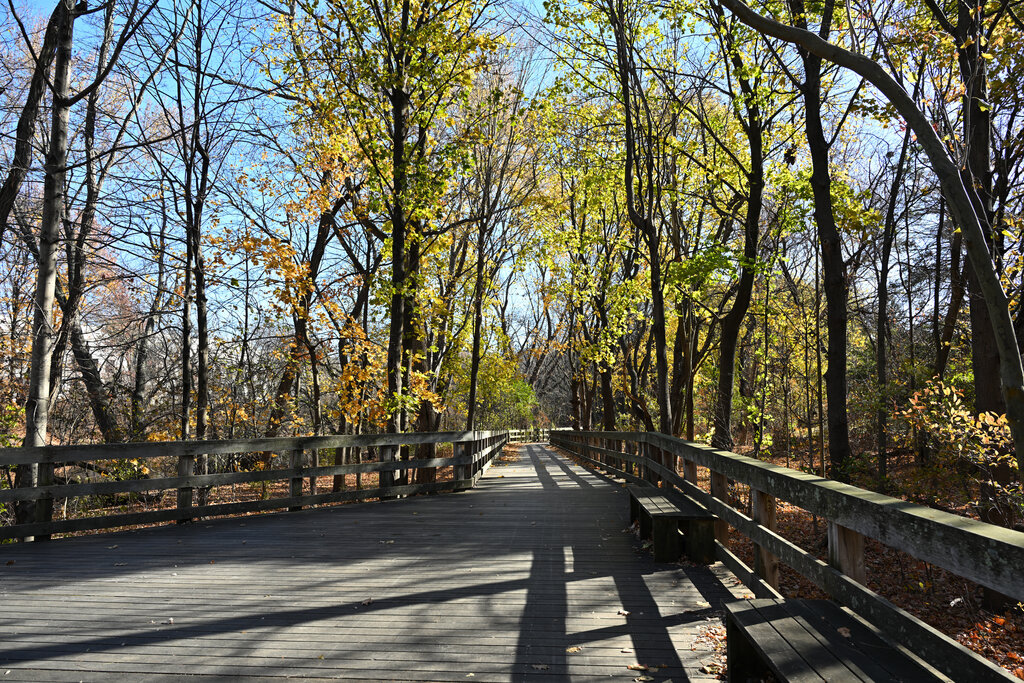
The river's health is a reflection of the landscape it flows through. It connects forests, suburbs, and cities, playing a key role in the ecological balance of eastern Massachusetts.