The CEO's Toolkit
CEO Roles and Responsibilities
The CEO's Compass
The Chief Executive Officer sits at the top of an organization's structure. But what does a CEO actually do? Their primary job is to set the company's direction. They define the ultimate destination and draw the map to get there.
This starts with establishing a clear vision and mission. The vision is the big, aspirational goal—the “why” behind the company’s existence. The mission is more concrete; it explains what the company does, who it serves, and how it accomplishes its goals. With the vision and mission in place, the CEO then works with the leadership team to craft a strategy. This is the high-level plan that outlines the specific actions the company will take to achieve its mission and move closer to its vision.
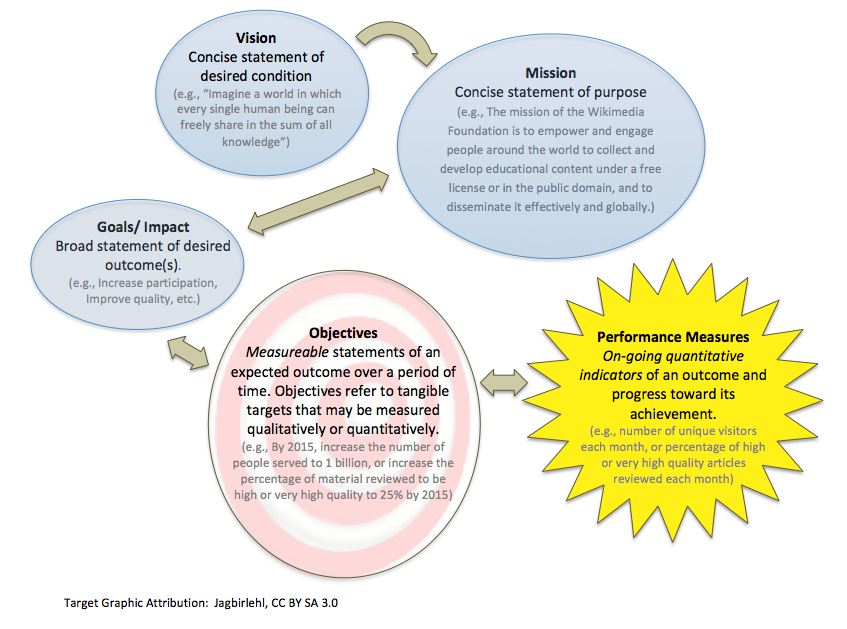
Think of the CEO as the ship’s captain. They don't row the boat or hoist the sails, but they are the one with the compass, constantly checking the course and making sure the entire crew is sailing in the same direction.
The Team Captain
A CEO can't run a company alone. A huge part of their role is building, leading, and mentoring the executive team, often called the C-suite. This includes roles like the Chief Operating Officer (COO), Chief Financial Officer (CFO), and Chief Technology Officer (CTO). The CEO is responsible for hiring the right leaders for these positions and ensuring they work together as a cohesive unit.
Leading this team involves more than just delegating tasks. The CEO must align everyone around the company's vision and strategy. They facilitate communication, resolve high-level conflicts, and empower their executives to lead their own departments effectively. A great CEO acts as a coach, providing guidance and support to help their team members grow and succeed.
Ultimately, a CEO's performance is a reflection of their team's performance.

Keeping the Ship Sailing
While the CEO's focus is on the big picture, they are ultimately accountable for the company's day-to-day performance. This doesn't mean micromanaging every department. Instead, they oversee operations from a high level, ensuring the organization runs efficiently and effectively.
This involves monitoring key metrics to track progress toward goals, allocating resources where they're most needed, and making major decisions that impact the company's operational health. A key part of this oversight is identifying and clearing roadblocks that prevent teams from doing their best work.
High-performing CEOs identify and remove resistance, often in the form of bureaucracy, culture, or personal.
By maintaining this 30,000-foot view, the CEO ensures all parts of the business are working in harmony to execute the strategic plan.
The Public Face and Final Word
The CEO's responsibilities extend beyond the company's walls. They are the primary link between the company and its key stakeholders. Stakeholders are any individuals or groups with an interest in the company's success, including investors, customers, employees, and the board of directors. The CEO communicates the company's strategy, performance, and vision to these groups, building trust and maintaining strong relationships.
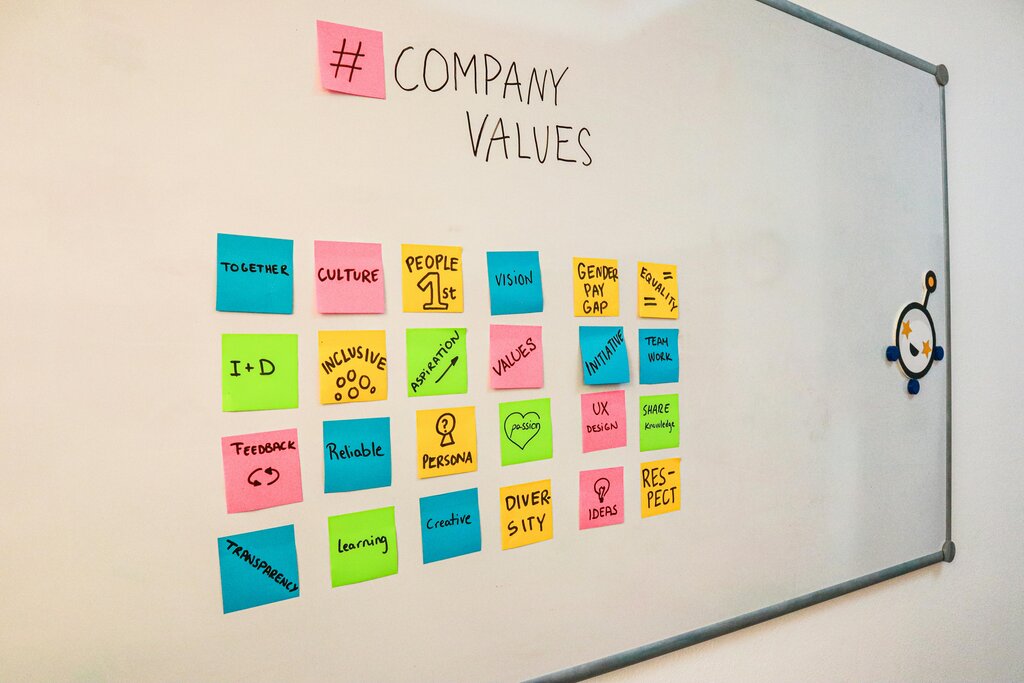
Internally, the CEO is the ultimate guardian of the company's culture. They set the tone for the organization's values and behaviors. By championing a positive and productive culture, they help attract and retain top talent. Finally, the CEO has the ultimate responsibility for ensuring the company operates ethically and complies with all legal and regulatory requirements. This involves creating systems of accountability and making sure the company acts as a responsible corporate citizen.
Now let's test your understanding of the CEO's core duties.
What is considered the primary job of a CEO?
The group of key individuals and entities with an interest in a company's success, such as investors, customers, and employees, are known as __________.
The CEO's role is complex, involving strategy, leadership, and accountability. They are the central figure responsible for guiding the company toward its long-term goals while ensuring it runs effectively in the present.