The Central African Republic
Geography
Location and Landscape
The Central African Republic (CAR) is a landlocked nation located right in the heart of the African continent. This means it has no direct access to the sea. It's bordered by Chad to the north, Sudan and South Sudan to the east, the Democratic Republic of the Congo and the Republic of the Congo to the south, and Cameroon to the west. Its position has made it a crossroads for trade and migration for centuries.
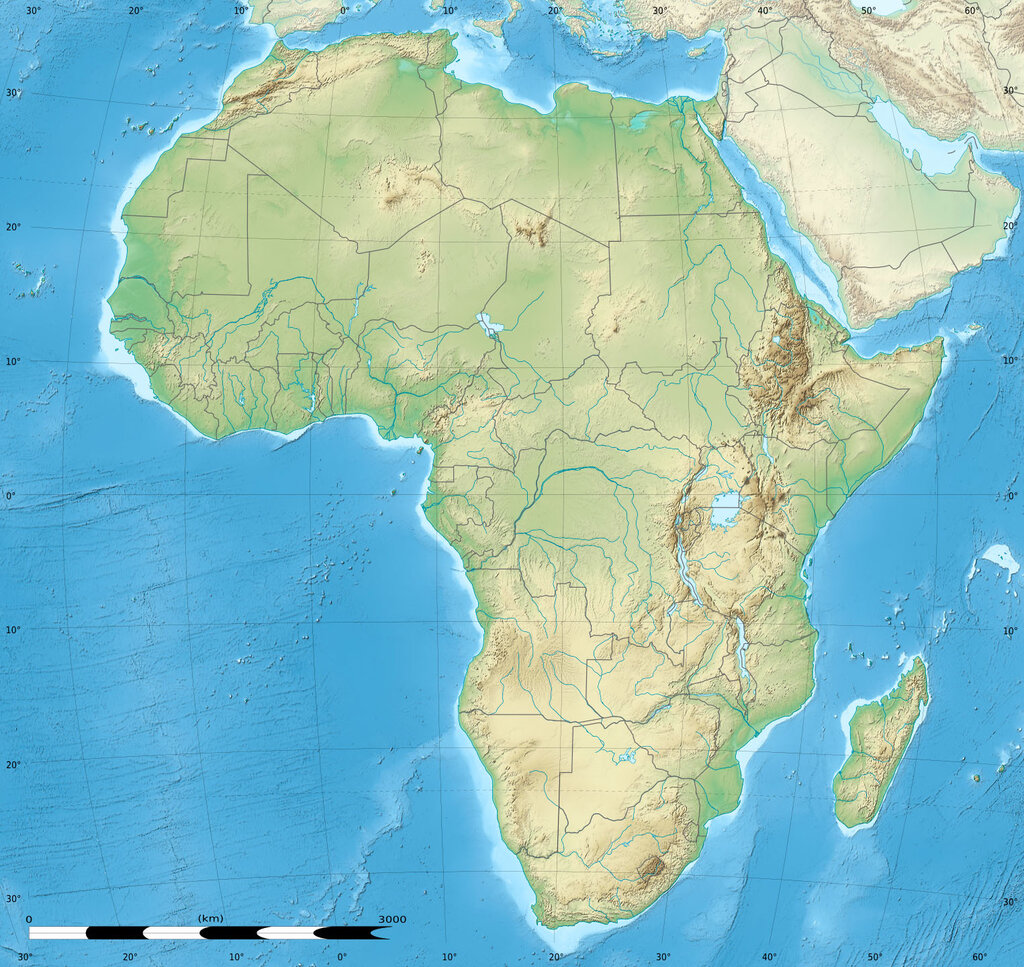
The country's landscape is a vast, rolling plateau, with an average elevation of about 500 meters (1,640 feet). This plateau is crisscrossed by major river systems that flow south into the Congo River or north into the Chari River, which eventually feeds Lake Chad. The northern part of the country is characterized by savanna grasslands, which are vast plains dotted with trees. As you travel south, the environment gradually transforms into dense, tropical rainforest, part of the immense Congo Basin.
Climate Patterns
The CAR's climate is generally hot and tropical, but it varies significantly from north to south. The country is split between two main climate zones.
The northern two-thirds experience a tropical savanna climate. This region has distinct wet and dry seasons. The dry season, known locally as the 'harmattan' period, runs from December to February and is characterized by hot, dry, and dusty winds blowing from the Sahara. The wet season lasts from roughly May to October.
In contrast, the southern third of the country has an equatorial climate, with heavy rainfall throughout the year and consistently high humidity. There isn't a long, pronounced dry season here, just periods of slightly less intense rain.
A Wealth of Resources
Despite its economic challenges, the Central African Republic is rich in natural resources. The country holds significant deposits of diamonds and gold, which have historically been its main exports. Uranium is also found in substantial quantities, though it is not yet heavily exploited.
The vast forests provide another valuable resource: timber. The southern rainforests contain commercially valuable tree species. Furthermore, the country's extensive river network gives it considerable hydroelectric power potential, a clean energy source that remains largely untapped.
| Resource | Primary Location/Use | Status |
|---|---|---|
| Diamonds | Western & Eastern CAR | Primary export |
| Gold | Throughout the country | Primary export |
| Uranium | Bakouma region | Largely unexploited |
| Timber | Southern rainforests | Commercial logging |
| Water | Major river systems | Hydropower potential |
Environmental Pressures
The CAR faces several significant environmental challenges that threaten its natural heritage and the livelihoods of its people. Deforestation is a major concern, driven by both commercial logging and traditional slash-and-burn agriculture, where forests are cleared to create farmland.
Mining activities, particularly for diamonds and gold, have led to water pollution and soil degradation in many areas. Rivers become contaminated with sediment and chemicals, affecting both aquatic life and communities that rely on the water.
Poaching is another serious issue, endangering wildlife populations, including forest elephants and gorillas. Finally, the impacts of climate change are becoming more apparent, with shifts in rainfall patterns affecting agriculture and water availability across the savanna regions.
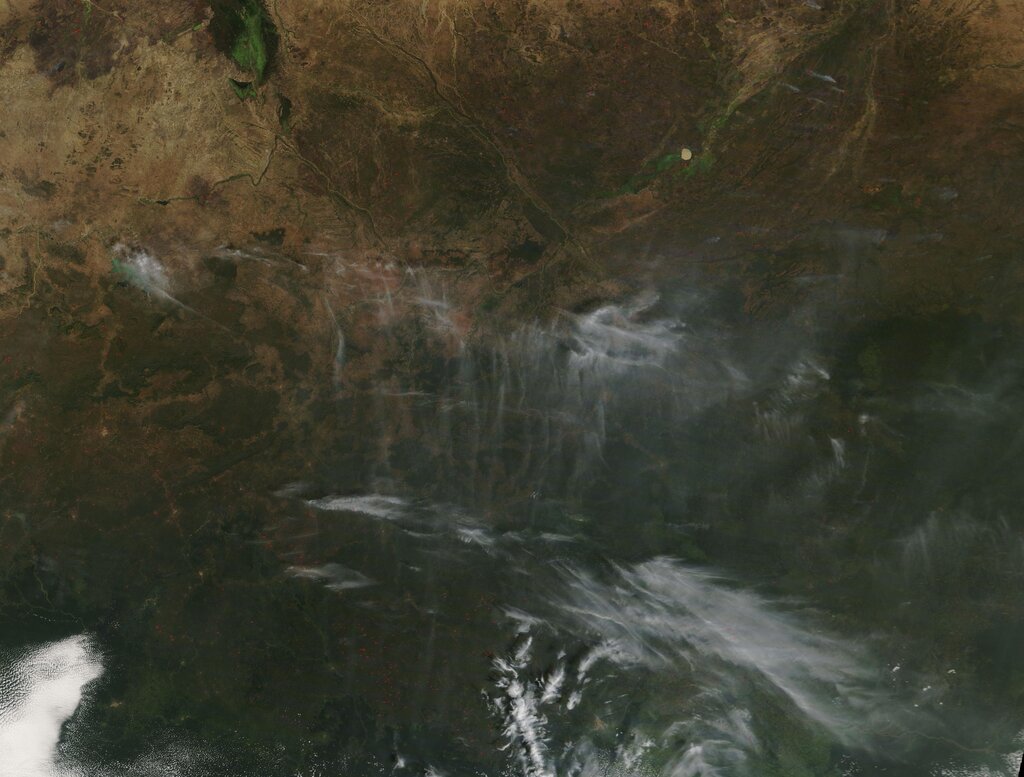
Let's review some of the key geographical concepts we've covered.
Ready to test your knowledge? This quiz will cover the key points about the country's geography.
What is the primary climate characteristic of the northern two-thirds of the Central African Republic?
Which of the following countries does NOT share a border with the Central African Republic?
Understanding the geography of the Central African Republic is the first step to appreciating the opportunities and challenges the nation faces.