The Cabinet of Dr. Caligari Examined
Introduction to German Expressionism
Art from the Inside Out
Most art tries to show the world as it is. A painter might capture a landscape just as it looks, or a sculptor might carve a perfect human form. German Expressionism, which emerged in the early 20th century, turned this idea on its head. Expressionist artists weren't interested in objective reality. They wanted to portray the world as they felt it.
Imagine you're feeling anxious in a bustling city. To an Expressionist, the buildings might seem to lean in menacingly, the streets might twist into sharp angles, and the faces of the crowd might look like grotesque masks. The goal was to express inner turmoil and subjective emotion, even if it meant distorting the world on the canvas.
Expressionists wished to convey personal emotion, considering the the inner vision of the artist more important than reproducing a subject accurately.
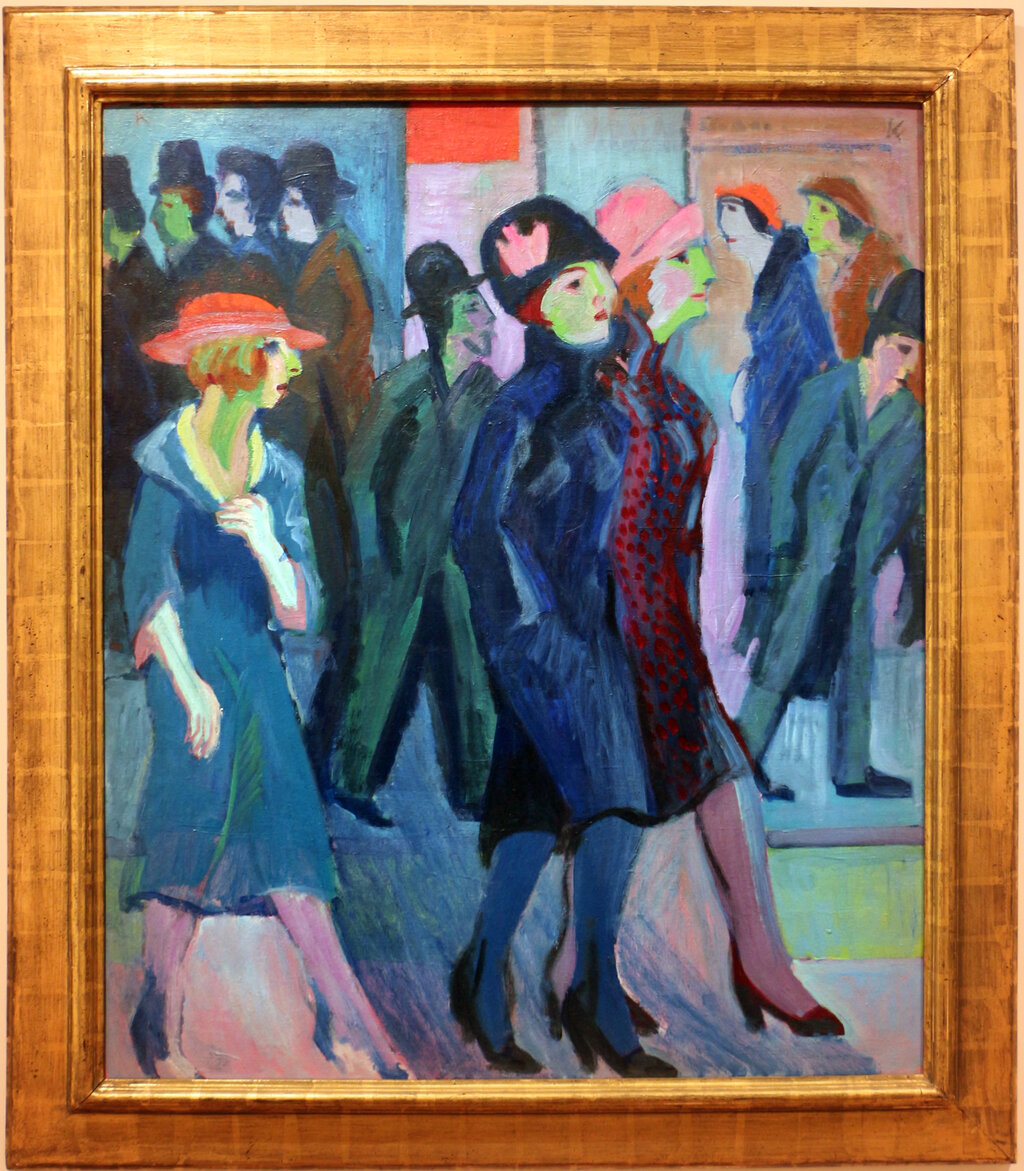
This movement didn't appear in a vacuum. It grew out of the charged atmosphere of post-World War I Germany. The nation was grappling with defeat, economic collapse, and deep-seated social anxiety. The world felt broken and unstable. For many artists, trying to paint a realistic, orderly picture of this reality felt dishonest. Expressionism became a powerful language to articulate the chaos and psychological stress of the time.
Cinema of Shadows
The principles of Expressionism soon spilled over from painting into other art forms, most notably film. German filmmakers of the 1920s began using cinematic techniques to create dreamlike, often nightmarish worlds that reflected the inner states of their characters. Instead of building realistic sets, they created entire landscapes that were visibly artificial and distorted.
The film image became a kind of graphic art, a canvas for psychological drama.
Two key characteristics define German Expressionist cinema.
First is the visual distortion. Sets featured impossibly tilted walls, crooked buildings, and stark, stylized shadows painted directly onto the scenery. This created a claustrophobic, off-kilter world where the environment itself was a manifestation of fear, madness, or paranoia.
Second is the hyper-expressive performance style. Actors used jerky, unnatural movements and exaggerated facial expressions, closer to modern dance than to realistic acting. Their bodies became instruments for conveying intense, raw emotion, externalizing the inner conflict of their characters.
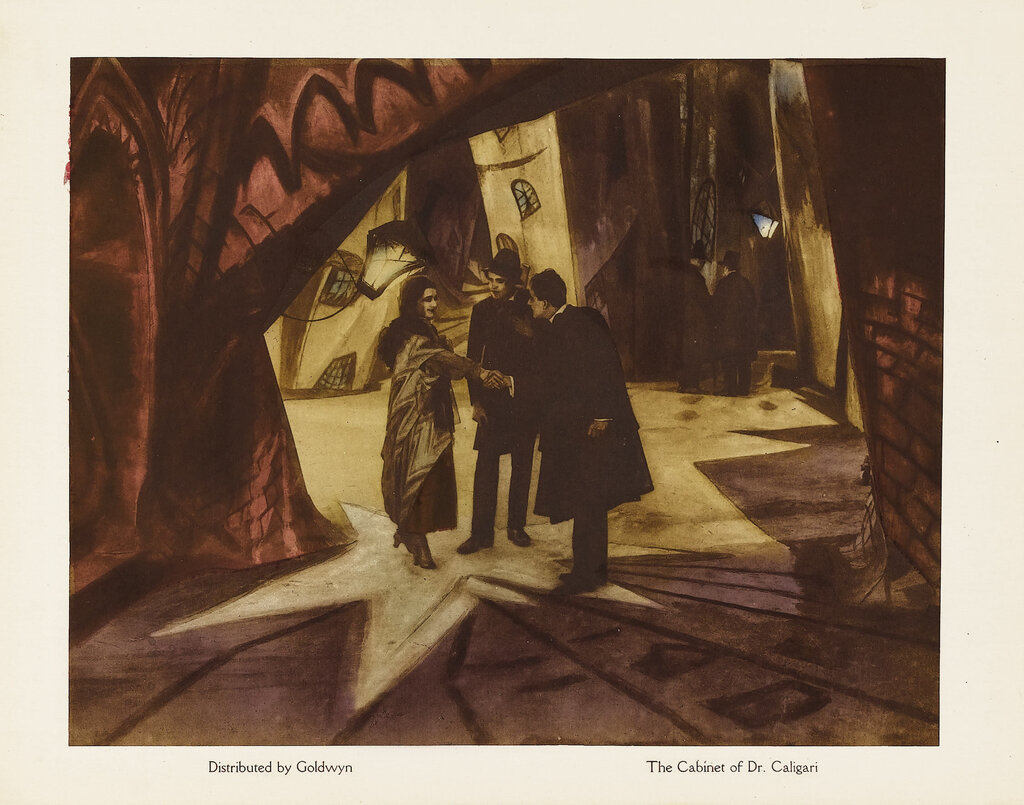
By rejecting realism, these filmmakers pioneered a new kind of storytelling. They showed that a film's environment could do more than just serve as a backdrop; it could be a direct window into the human psyche. This approach laid the groundwork for future genres like horror and film noir, which continue to use visuals to create mood and explore complex inner worlds.