The Business of the Ring Mastering Boxing and Wealth
Boxing Revenue Streams
Deconstructing the Fight Purse
When you step into the ring, you're not just fighting an opponent; you're the main event in a complex financial operation. The total money generated by a fight, often called the 'fight purse,' is fueled by several distinct revenue streams. Understanding these channels is the first step to negotiating your worth and building your business.
Ringside Revenue
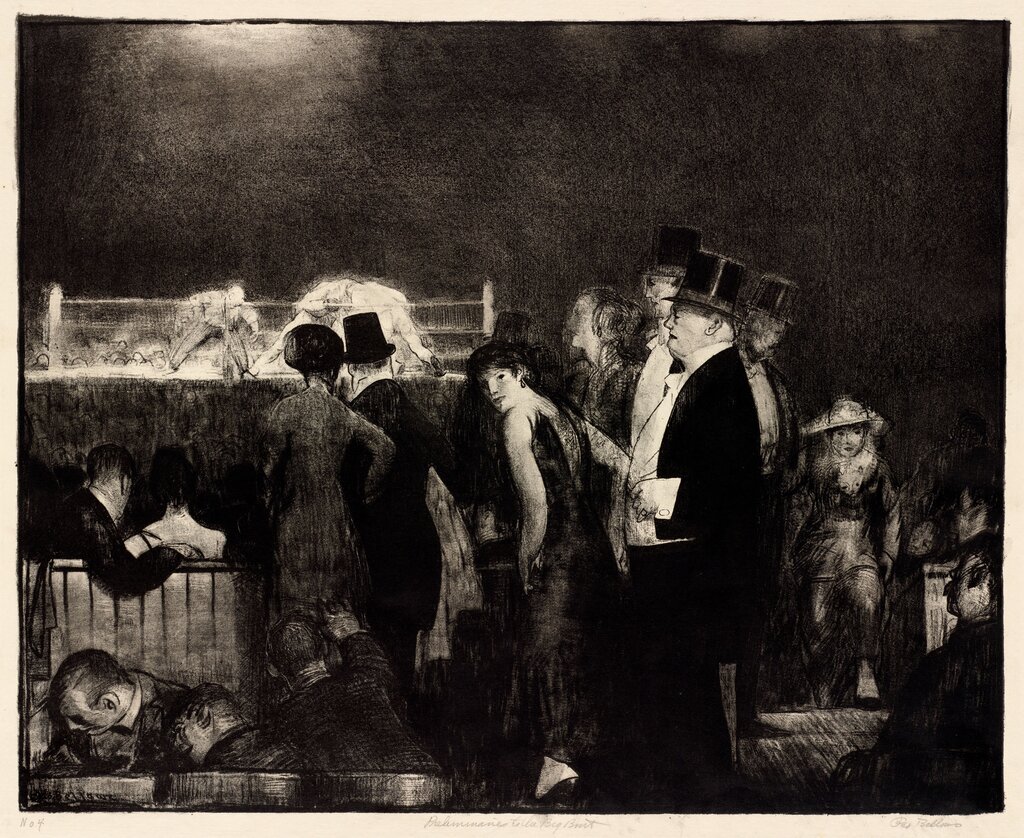
The most traditional source of income is the money generated at the event itself. The refers to the total revenue from ticket sales. Promoters use tiered pricing, where ringside seats can cost thousands while upper-deck tickets are more affordable. The venue's capacity plays a huge role; a sold-out fight at a major arena like the generates millions before the first bell even rings.
Another key component is the site fee. This is a payment made by a host city or casino for the rights to stage the event. Las Vegas, for instance, might pay a hefty fee to host a championship fight because the event draws in high-spending tourists who gamble, dine, and shop, generating far more in tax revenue than the cost of the fee itself. It's an investment in economic activity, with your fight as the centerpiece.
Broadcasting the Bout
For major fights, the largest slice of the revenue pie comes from broadcasting. The traditional model is (PPV), where viewers at home pay a one-time fee to watch the event. This is a massive moneymaker, but the splits are critical. Distributors—the cable and satellite companies—can take up to 50% of the gross PPV revenue right off the top. What's left is then divided between the promoters and fighters according to their contracts.
A high-profile fight can generate hundreds of millions in PPV revenue, making the negotiation of revenue splits one of the most important parts of a fight contract.
Alongside PPV, there are international broadcasting rights. A network in the United Kingdom, for example, will pay a flat fee for the exclusive right to show your fight to their audience. The rise of streaming services has added a new layer. Platforms like operate on a subscription model, paying massive sums for multi-fight deals to attract subscribers. These deals can offer more predictable income compared to the all-or-nothing gamble of a single PPV event.
Beyond the Bell
Finally, revenue streams extend beyond the fight night itself. Merchandising—selling branded apparel like t-shirts, hats, and shorts—creates a direct connection with your fanbase while generating income. While often a smaller piece of the pie for a single fight, a strong merchandise line builds your brand over the long term. This is your business, your logo. Every sale reinforces your identity in the market.
Let's review the key terms we've covered.
Now, check your understanding of how money flows in the boxing world.
What does the term 'Live Gate' refer to in the context of a professional boxing match?
Which of the following represents the largest portion of revenue for most major, high-profile fights?
By mastering these concepts, you can move from just being a fighter to being a business owner who steps into the ring.