The Business of Streaming Media
Introduction to Streaming Services
The Rise of Streaming
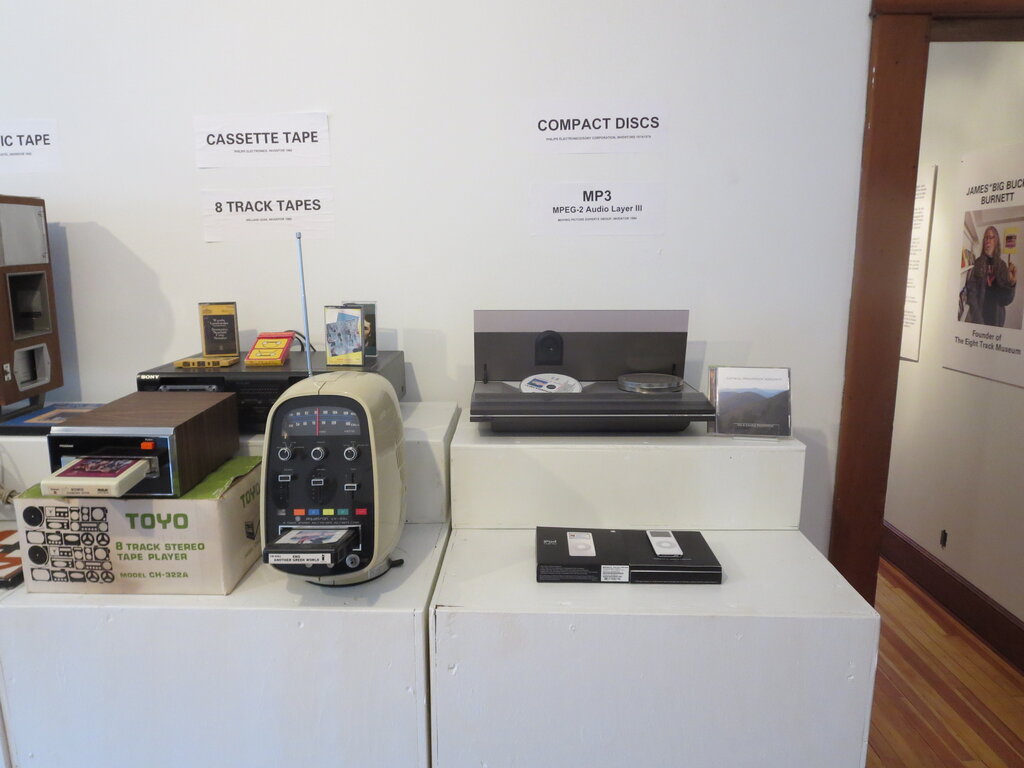
Not long ago, your entertainment options were tied to a schedule or a physical object. You watched your favorite show at 8 PM on Tuesdays because that's when it aired. You bought a CD to listen to a new album or a DVD to watch a movie at home. The broadcaster and the media companies were in charge.
Then, the internet changed everything. Streaming media turned this model on its head. Instead of owning a physical copy or tuning in at a specific time, you could now access a vast library of content over the internet, whenever you wanted.
Streaming
noun
A method of transmitting or receiving data (especially video and audio) over a computer network as a steady, continuous flow, allowing playback to start while the rest of the data is still being received.
Two Giants Emerge
Two companies in particular pioneered this massive shift: Netflix and Spotify. You've probably heard of them.
Netflix started in 1997 as a DVD-by-mail service. You'd pick a movie online, and they'd mail you the DVD. It was a novel idea, but their big move came in 2007 when they launched their streaming service. Suddenly, a library of movies and TV shows was available instantly. This fundamentally changed how we watch television, popularizing the idea of "binge-watching" an entire season in a weekend.
Spotify did for music what Netflix did for video. Launched in 2008, it offered a different proposition than buying songs from iTunes. Instead of purchasing individual tracks or albums, users could pay a flat monthly fee to access nearly all the recorded music in the world. This subscription model shifted the music industry from ownership to access.
On-Demand Changes Everything
The core innovation of these platforms was on-demand content. This means you, the viewer or listener, are in complete control. You decide what to watch, when to watch it, and where to watch it.
You're no longer on the broadcaster's schedule. You are the scheduler.
This shift in control had a massive impact on consumer behavior. It created an expectation of immediate access and endless choice. The result was a steady decline in traditional media consumption. Fewer people subscribed to cable TV, bought movie tickets, or purchased CDs. Why would they, when a world of entertainment was available at their fingertips for a monthly fee?
The media landscape is fundamentally transformed by streaming and on-demand consumption.
Streaming services didn't just offer a more convenient way to consume media; they created a new culture around it. The power moved from the distributors to the consumers, reshaping the entire entertainment industry in the process.
Time for a quick check on what you've learned.
What was Netflix's original business model when it launched in 1997?
The transition to services like Spotify is best described as a shift from...
The move to streaming represents one of the most significant media shifts in modern history, putting control directly into the hands of the audience.