The Business of Streaming Media
Introduction to Streaming Services
From Primetime to Your Time
Not long ago, your entertainment schedule was decided for you. A favorite TV show aired at 8 PM on Tuesdays, and you had to be on your couch to watch it. If you wanted to listen to a new album, you went to a store, bought a CD, and owned a physical copy. Media was an object, an event, something you had to plan around.
That world has largely disappeared. The driving force behind this change is the concept of on-demand content. Instead of waiting for a scheduled broadcast, you can now watch, listen, or read whatever you want, whenever you want. This created a fundamental shift in our relationship with media: we moved from a world of ownership to one of access. You no longer need to own a movie to watch it; you just need access to a service that has it.
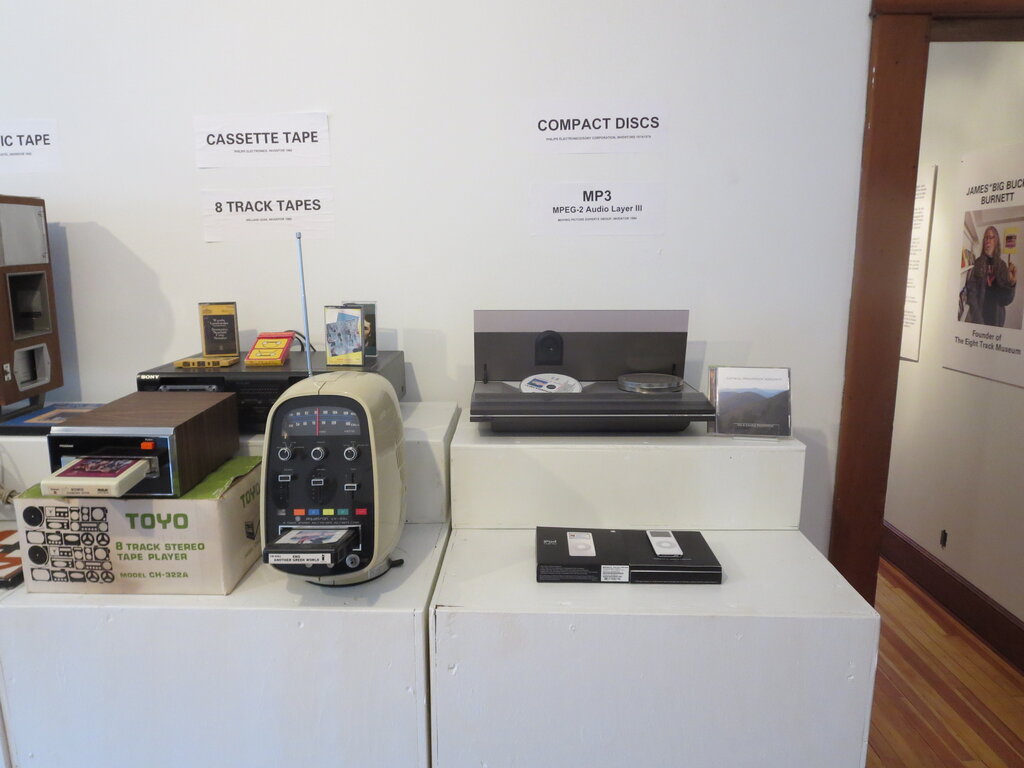
This convenience is powered by streaming, the technology that delivers media to your device in a continuous flow of data over the internet, rather than requiring you to download a complete file first. It's like turning on a tap for entertainment.
The Streaming Revolution
Companies like Netflix and Spotify were pioneers in this new landscape. Netflix started as a DVD-by-mail service but saw the potential of the internet to deliver movies directly to viewers. Spotify offered a legal and easy alternative to pirating music online. These platforms, and the many that followed, completely upended traditional media.
Broadcast television networks, movie theaters, and the music industry all had to adapt. Why wait a week for the next episode when a streaming service releases the entire season at once? Why buy a whole album when you can listen to a single song instantly? Streaming platforms changed consumer expectations forever.
The media landscape is fundamentally transformed by streaming and on-demand consumption.
How Streaming Services Work
So how do these companies make money by giving us access to vast libraries of content? Most services use one of two main approaches: subscription or advertising.
A subscription model is straightforward. You pay a recurring fee, usually monthly or annually, for unlimited, ad-free access to the platform’s entire catalog. This is often called SVOD, or Subscription Video On Demand.
The other common approach is the ad-supported model. The service is free to use, but you'll see or hear commercials before, during, or after the content. This is AVOD, or Advertising-based Video On Demand. Here, advertisers are the ones paying the platform, and you pay with your time and attention.
| Feature | Subscription Model (SVOD) | Ad-Supported Model (AVOD) |
|---|---|---|
| Cost to User | Recurring fee | Free (paid with attention) |
| User Experience | No commercial interruptions | Content interrupted by ads |
| Primary Customer | The viewer | The advertiser |
Increasingly, many platforms are blurring these lines. They might offer a cheaper, ad-supported subscription tier alongside a more expensive, ad-free one. This hybrid approach gives consumers more choice in how they want to pay for the content they enjoy.
The rise of on-demand content represents a fundamental shift from a model of media _______ to a model of media _______.
A streaming service that you use for free but which shows you commercials is primarily using an AVOD (Advertising-based Video On Demand) model.
This shift to on-demand access has fundamentally reshaped how we consume entertainment, putting control directly into the hands of the viewer.