The Business of Streaming Media
Streaming Industry Overview
From Tapes to Tabs
Think back to how you used to listen to music or watch a movie. It wasn't that long ago that entertainment meant owning a physical object. You'd buy a CD for a new album or a DVD for the latest film. If you didn't want to buy, you'd rent a movie from a local store, hoping the last person had rewound the tape.
Your choices were limited by what was on the store shelves or in the broadcast schedule. You planned your evenings around a TV show's airtime and listened to the radio, hoping to catch your favorite song. The idea of having nearly every movie or song ever made available at your fingertips, instantly, sounded like science fiction.
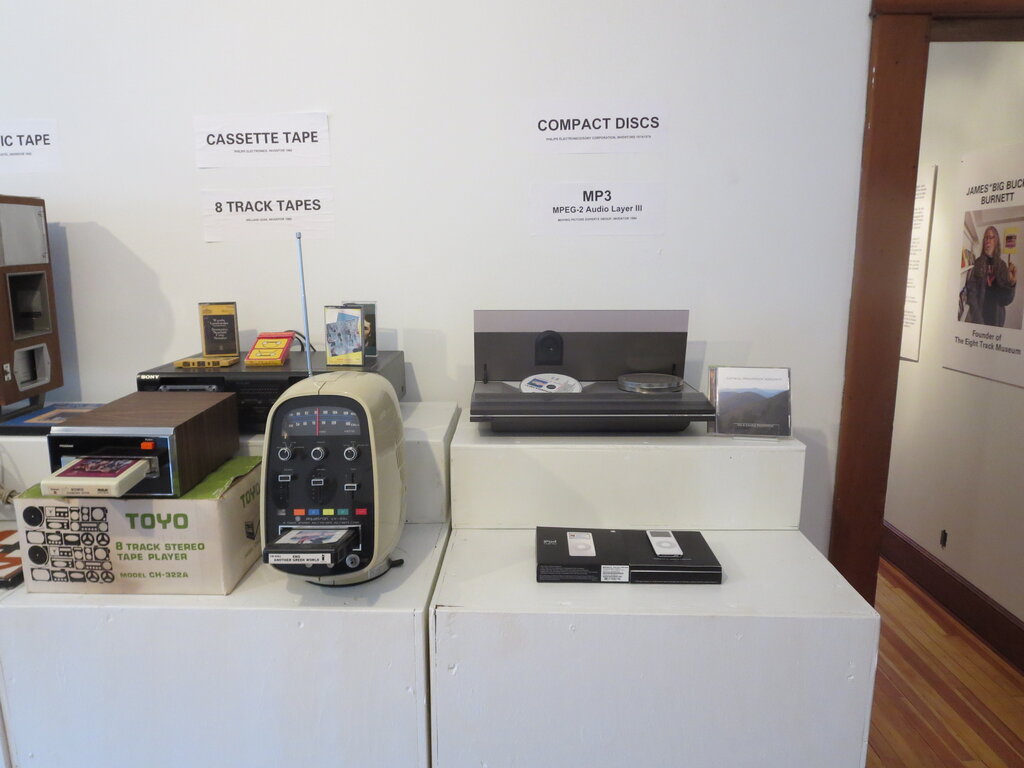
This all began to change with the internet. Early digital music was about downloads, like buying MP3s from iTunes. You owned the file, but it was still a bit like buying a CD. You had to manage storage on your device and move files around. The real shift happened when access became more important than ownership. This was the dawn of streaming.
The On-Demand Revolution
Streaming turned media from a product you buy into a service you use. Instead of downloading a huge file, you receive a constant flow of data, allowing you to watch or listen in real-time.
Companies like Netflix and Spotify were pioneers in this space. Netflix started as a DVD-by-mail service but saw the potential of the internet. It transitioned to a streaming model, offering a library of movies and shows for a monthly fee. Spotify did the same for music, giving users access to a massive catalog without needing to purchase individual songs or albums.
This revolution wasn't just about a good idea; it was made possible by technology. The spread of high-speed broadband internet was crucial. Without a fast, stable connection, streaming video would be a stuttering, frustrating experience. At the same time, the rise of smartphones and tablets meant we could carry a universe of entertainment in our pockets, free from the television or stereo.
Now, streaming media is more significant than broadcast and cable media and will continue to grow.
New Habits, New Market
Streaming didn't just change how we get our media; it changed how we consume it. The ability to watch an entire season of a show in one weekend created the concept of "binge-watching." We no longer have to wait a week for the next episode. We expect content to be available whenever and wherever we want it.
This shift in consumer behavior created a massive new market. The success of early platforms like Netflix, Spotify, and YouTube proved the model worked. Soon, everyone wanted a piece of the action. Major entertainment companies, from Disney and Warner Bros. to Amazon and Apple, launched their own streaming services.
This has led to what many call the "streaming wars." It's a highly competitive environment where platforms fight for your attention and subscription dollars. They do this by investing in original content, securing exclusive rights to popular shows, and constantly refining their technology to offer a better user experience.
The world of physical media and broadcast schedules now feels distant. The streaming industry has fundamentally reshaped how we experience entertainment, putting control directly into the hands of the viewer.
Time to check what you've learned.