The Business of Streaming Media
Streaming Industry Overview
From Tapes to Tabs
Not long ago, our media collections were physical things. We had shelves of CDs, binders of DVDs, and towers of cassette tapes. If you wanted to watch a movie or listen to an album, you had to own a copy. This model was simple: buy once, own forever.
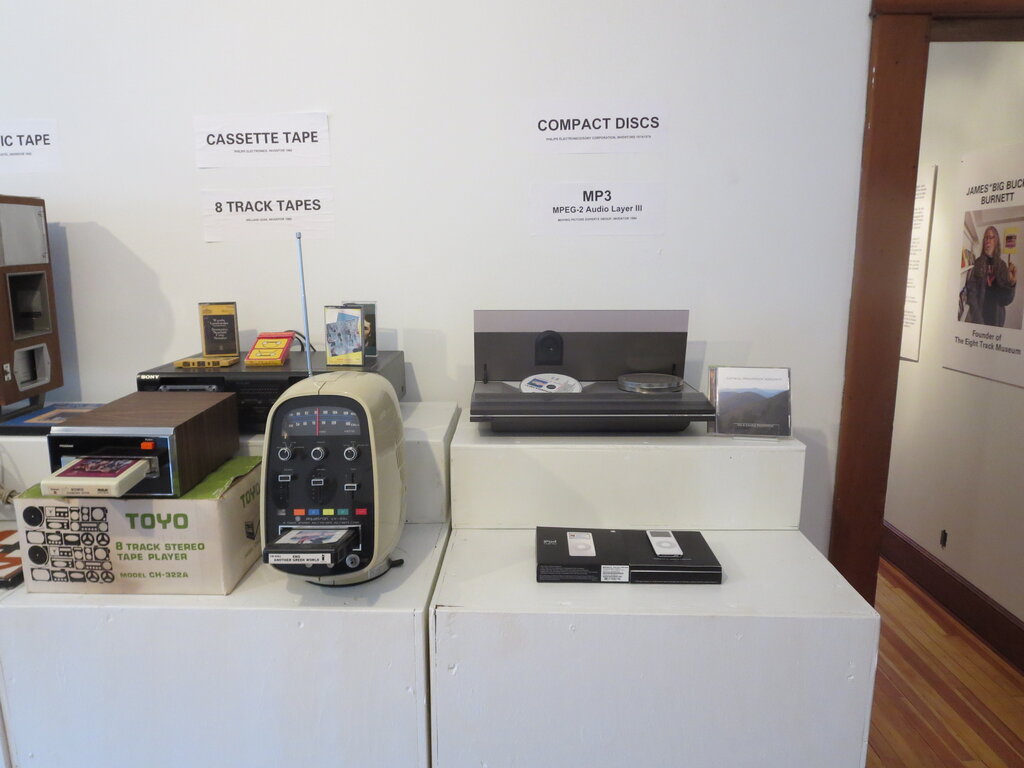
Then the internet changed everything. First came digital downloads from services like iTunes, which untied music from physical discs. But you still owned a specific file on a specific device. The real revolution was streaming. Companies like Netflix, which started as a DVD-by-mail service, and Spotify, a music startup, pioneered a new idea: access over ownership. Why own a thousand songs when you could have access to millions for a monthly fee? This shift fundamentally rewired how we consume entertainment.
Disrupting the Old Guard
Streaming services didn't just offer a new way to listen or watch; they dismantled the business models that had governed media for decades. Traditional television relied on advertisers paying for slots during scheduled programming. Cable companies bundled hundreds of channels together, forcing you to pay for many you never watched. Streaming broke this model by offering on-demand, ad-free content, leading millions to "cut the cord."
In the music world, the impact was just as profound. The industry was built on selling albums. Streaming shifted the focus to individual tracks and paid artists and labels fractions of a cent per stream. This created new revenue streams but also sparked intense debate about fair compensation for artists.
The media landscape is fundamentally transformed by streaming and on-demand consumption.
Today, the market is a battlefield. What started with a few key players has exploded into a crowded space with giants like Disney, Amazon, and Apple all competing for your screen time and subscription dollars. This intense competition has led to an ever-expanding universe of content and a constant race for the next big hit.
The Business of Streaming
How do these services actually make money? It mostly comes down to a few core models.
| Model | Description | Examples |
|---|---|---|
| SVOD (Subscription) | Users pay a flat monthly or annual fee for unlimited access. | Netflix, Disney+ |
| AVOD (Ad-Supported) | Content is free to watch, but interrupted by advertisements. | YouTube, Tubi |
| Hybrid | A mix of models, often offering a cheaper subscription with some ads. | Hulu, Peacock |
Beyond how they charge, a huge part of the business is content licensing. Streaming platforms don't always own the movies or songs they offer. They often pay studios and record labels massive fees for the rights to stream content for a specific period. These deals are complex, geographically restricted, and constantly expiring. It's why a movie might be on Netflix one month and gone the next. This has also fueled a push for services to create their own original content, which they can control exclusively and forever.
The Tech Behind the Scenes
Delivering a high-quality video to millions of people simultaneously is a massive technological challenge. The magic behind a smooth stream relies on a few key pieces of technology. One is the Content Delivery Network, or CDN. Instead of one central server sending a movie to everyone, a CDN is a network of servers spread around the world. When you press play, the stream comes from a server that's geographically close to you, reducing lag and buffering.
Another clever trick is adaptive bitrate streaming. Your internet connection isn't always stable. Instead of the stream stopping, the service automatically adjusts the video quality on the fly. If your connection slows down, you'll get a slightly blurrier picture. When it speeds back up, the quality improves. It's a seamless process designed to keep the content playing no matter what.
Finally, data is king. Every play, pause, and search is tracked and analyzed. This data feeds powerful algorithms that personalize your experience, recommending content it thinks you'll love. It's how these services keep you engaged and subscribed.
Time to check what you've learned.
What was the fundamental shift in media consumption driven by services like Netflix and Spotify?
What is the main purpose of a Content Delivery Network (CDN) in the context of streaming?
The streaming industry is a dynamic and complex world built on a foundation of changing consumer habits, intricate business deals, and powerful technology. It has fundamentally altered our relationship with media, turning us from owners into subscribers.