The Business of Streaming Media
Introduction to Streaming Services
The On-Demand Revolution
Not long ago, watching a movie meant a trip to the video store. Listening to a new album involved buying a CD or a vinyl record. Your entertainment was tied to physical objects and rigid schedules. If you wanted to watch your favorite show, you had to be in front of the TV at 8 PM on a Thursday, commercials and all.
Streaming changed everything. At its core, streaming is a way of delivering video or audio content to your device over the internet, without you having to download a complete file first. Think of it like a tap. Instead of filling a whole bucket (downloading), you just turn on the tap and get a steady flow (streaming).
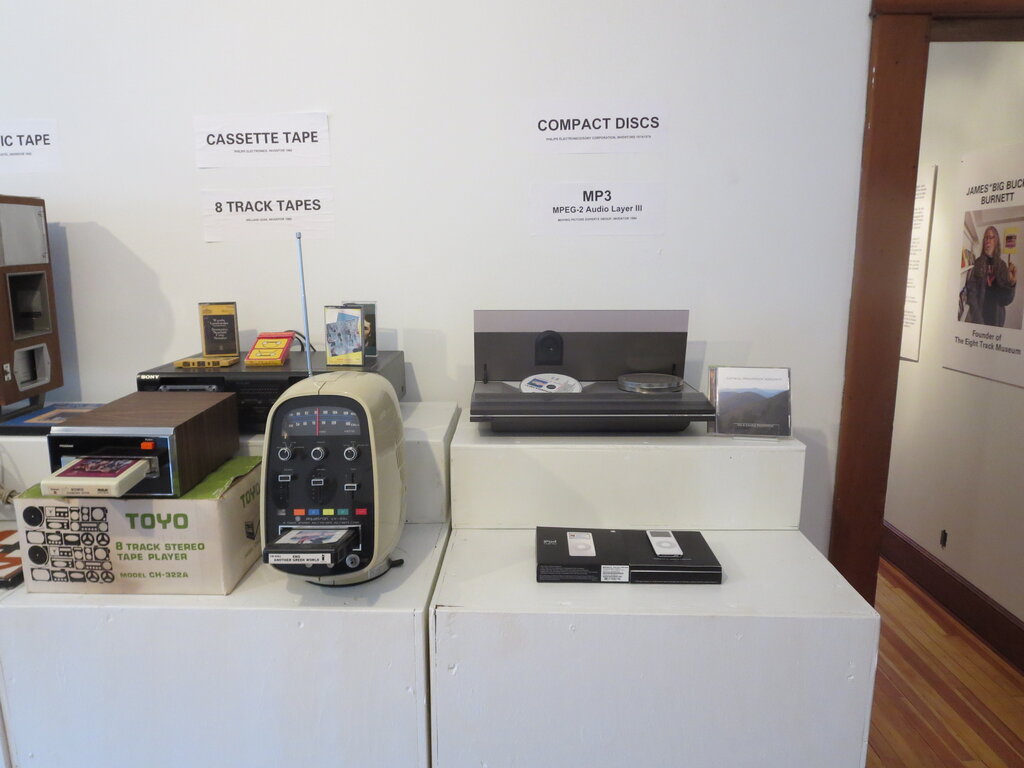
This shift didn't happen overnight. It needed faster internet speeds to become practical. Once the technology was ready, it opened the door for a new way of thinking about media: on-demand. The idea that you could access a massive library of content whenever and wherever you wanted was revolutionary.
Meet the Pioneers
When you think of streaming, a few big names probably come to mind. Netflix is a giant in the video world. It started as a service that mailed DVDs to your home, a clever solution to the problem of late fees at video stores. But its real breakthrough came when it pivoted to internet streaming in 2007. Suddenly, a library of movies and shows was available with a click.
This move fundamentally altered the television and film industry. It popularized the idea of "binge-watching," where viewers could watch an entire season of a show in a single weekend. The concept of waiting a week for the next episode started to feel outdated.
For music, Spotify played a similar role. Launched in 2008, it offered a different proposal from buying individual songs or albums on platforms like iTunes. Instead of owning the music, you paid a monthly fee to access nearly every song ever recorded. It turned music from a product you buy into a service you subscribe to. This model made it easier than ever to discover new artists and explore different genres without financial risk.
Your Media, Your Schedule
The biggest impact of streaming is the control it gives to the audience. Your entertainment consumption is no longer dictated by a TV guide or a radio station's playlist. You are the programmer.
This shift in control is the essence of on-demand content. You watch what you want, when you want, and where you want.
This has changed how we interact with media. We listen to podcasts on our commutes, watch movies on our tablets during flights, and discover bands through algorithm-generated playlists. It's a more personal and flexible relationship with entertainment.
The media landscape is fundamentally transformed by streaming and on-demand consumption.
This new landscape has also changed how content is made. Creators now produce shows with binge-watching in mind, often structuring seasons with a single, overarching story. Musicians can release an album to a global audience instantly, without worrying about physical distribution. The connection between the creator and the audience is more direct than ever.
Now, let's test your knowledge on the basics of streaming.
What is the fundamental difference between streaming and downloading media?
Before becoming a streaming giant, what was Netflix's original business model?
The move from scheduled broadcasts and physical media to on-demand streaming has fundamentally reshaped how we find, consume, and think about entertainment.