The Business of Streaming Media
Introduction to Streaming Services
The Age of Instant Access
Not too long ago, watching a movie or listening to a new album involved a trip to the store. You'd buy a DVD or a CD, a physical object you owned. If you wanted to watch a specific TV show, you had to be on your couch at the exact time it aired. Missing it meant waiting for a rerun, if one ever came.
This was the world of traditional media: scheduled, physical, and finite. Streaming changed everything. At its core, streaming is a way of delivering audio and video content to your device over the internet, without you having to download a complete file first. Think of it like a running tap, providing water only when you need it, instead of having to fill up a bucket beforehand.
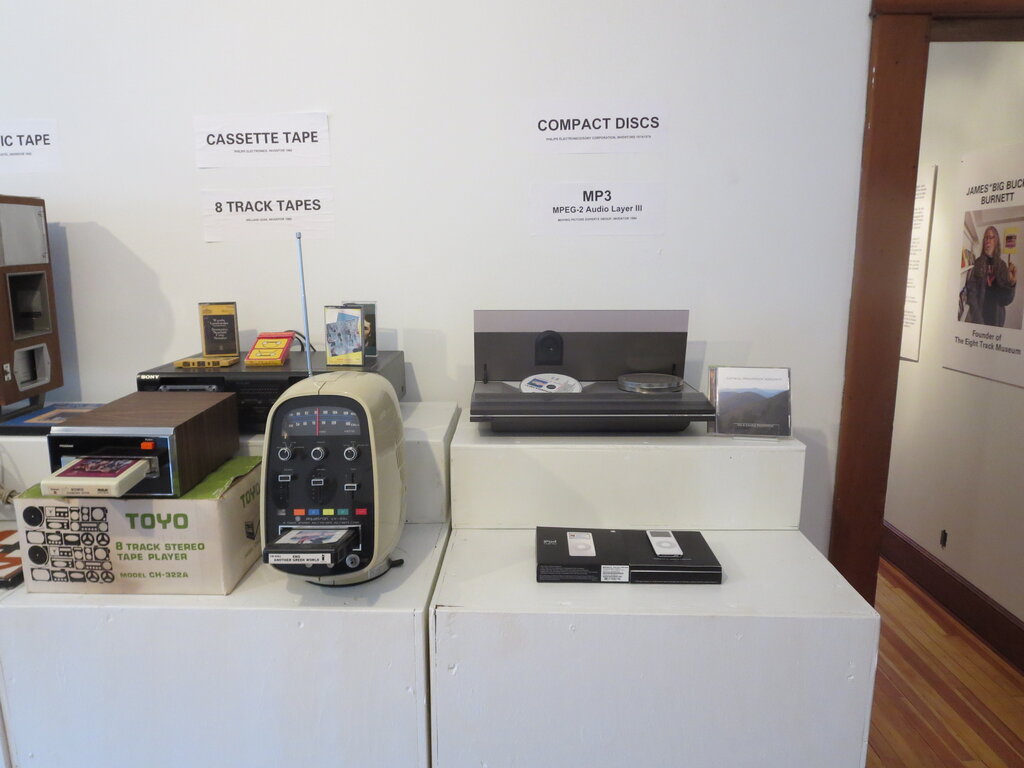
The journey from physical media to digital streams wasn't overnight. It began with the rise of the internet and faster connection speeds. Early services were often clunky, but they planted a seed: what if you could access any movie or song, anytime, anywhere?
Meet the Pioneers
Two names stand out in the streaming revolution: Netflix and Spotify. You've almost certainly used one, if not both.
Netflix started as a DVD-by-mail service. You'd pick movies online, and they'd send the discs to your home. But its founders saw the future. In 2007, they launched their streaming service, allowing subscribers to watch a library of films and shows instantly. This pivot from physical to digital was monumental. It not only changed Netflix's own business but also pressured the entire entertainment industry to follow suit.
What Netflix did for video, Spotify did for music. Before Spotify, digital music usually meant buying and downloading individual tracks or albums from platforms like iTunes. Spotify introduced a different idea in 2008: access over ownership. For a flat monthly fee, you could listen to millions of songs. This model quickly became the new standard for how we listen to music, turning vast catalogs of sound into a utility, always available at our fingertips.
The New Rules of Media
The success of these platforms is built on two powerful concepts: on-demand content and subscription models.
On-demand
adjective
Content that is available to watch or listen to at any time the user chooses, rather than at a scheduled time.
On-demand is the freedom to watch what you want, when you want. Instead of a TV guide dictating your evening, you are the programmer. This flexibility is paired with the subscription model. Rather than paying for each movie or album, you pay a recurring fee, usually monthly, for unlimited access to the entire library. It’s like an all-you-can-eat buffet for media.
This shift fundamentally changed our relationship with entertainment. We moved from being passive receivers of scheduled content to active curators of our own media experiences.
This new model has had a profound impact on our behavior. The term "binge-watching," or viewing multiple episodes of a series in one sitting, entered our vocabulary because platforms like Netflix started releasing entire seasons at once. We now expect personalized recommendations tailored to our tastes, thanks to the algorithms that learn what we like.
The biggest change is our expectation of immediacy. We're now accustomed to having a world of entertainment instantly available. This has raised the bar for all forms of media, pushing creators and distributors to adapt to a world where the audience is in control.
The media landscape is fundamentally transformed by streaming and on-demand consumption.
Now that you understand the basics of streaming and its key players, let's test your knowledge.