The Business of Streaming Media
Introduction to Streaming Services
From Tapes to Tabs
Not too long ago, our entertainment was tied to physical objects. If you wanted to watch a movie, you needed a VHS tape or a DVD. Listening to your favorite album meant buying a CD or a cassette. Your collection was limited by your shelf space and your budget.
This physical media had its charms, but also its frustrations. Tapes could get chewed up, and discs could get scratched. You had to rewind, fast-forward, and hope the one movie you wanted to watch was actually in its case and not left in a friend's VCR.
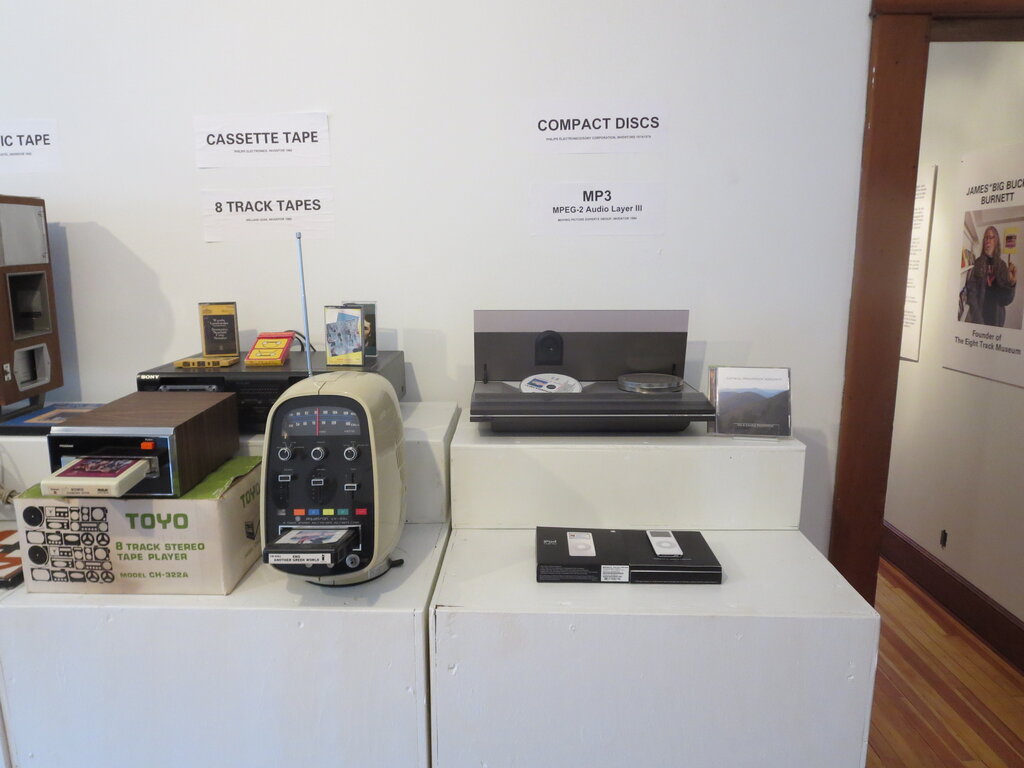
The first digital shift came with downloads. Services like iTunes let us buy music and movies directly on our computers. This was a huge leap forward. We no longer needed physical shelves, just hard drive space. But we were still in the business of owning individual files, which required managing libraries and transferring them between devices.
The On-Demand Revolution
Streaming changed the game completely. Instead of downloading a file to watch later, streaming delivers the content to your device in real-time over the internet. A small buffer of data is sent ahead, so your movie or song plays smoothly without interruption. You don't own the file; you're just accessing it.
Platforms like Netflix and Spotify pioneered this new model. Netflix began as a DVD-by-mail service but saw the potential of the internet to deliver movies directly to screens. Spotify applied the same idea to music, offering a seemingly endless library of songs for a flat monthly fee.
This shift to on-demand access had a massive impact on our habits. The idea of waiting for a specific time to watch a TV show started to feel outdated. With entire seasons available at once, "binge-watching" became a common way to consume stories. For music lovers, discovering new artists became as simple as tapping a button, with no risk of buying an album you might not like.
The world's entertainment library was suddenly at your fingertips. The schedule was now yours.
New Rules for an Old Game
The rise of streaming was a massive disruption for traditional media industries. Broadcast television, with its rigid schedules and reliance on advertisers, suddenly faced competition from platforms that offered ad-free content on demand. Cable companies saw customers "cut the cord" in favor of more flexible and often cheaper streaming options.
The music industry, which had already been shaken by digital downloads, underwent another transformation. Album sales plummeted as listeners shifted to subscription services that valued access over ownership.
The rise of streaming services has had a profound impact on the traditional TV broadcasting industry.
The core of this new model is the subscription. Instead of paying for each movie, show, or album, users pay a recurring fee for access to the entire catalog. This created a more predictable revenue stream for companies and gave consumers a sense of unlimited choice for a manageable cost.
The Tech Behind the Magic
This entire revolution rests on a few key technological advancements. The most obvious is the spread of high-speed internet. Without fast, reliable connections, streaming video in high definition would be a frustrating, buffering nightmare.
Behind the scenes, cloud computing plays a vital role. Streaming services don't store their massive libraries on a single server in an office. They use vast, distributed networks of servers—the cloud—to store petabytes of data and deliver it efficiently to millions of users around the globe simultaneously.
Finally, sophisticated data compression algorithms make it all work. These algorithms shrink the size of video and audio files without a noticeable loss in quality, allowing them to travel across the internet quickly and efficiently. It's the combination of these technologies that makes pressing 'play' and instantly watching a movie from halfway across the world feel so effortless.
Now that you understand the basics of how streaming came to be, let's test your knowledge.
What is the key difference between the early digital download model (e.g., iTunes) and the modern streaming model (e.g., Netflix)?
Which technology is essential for shrinking the size of video and audio files to send them efficiently over the internet without a significant loss in quality?
Streaming has fundamentally changed our relationship with media, turning what was once a collection of physical items into a service that provides instant access to a world of content.