The Business of Streaming Media
Introduction to Streaming Services
The On-Demand Revolution
Streaming is the continuous transmission of audio or video files from a server to a client. In simple terms, it's how you watch movies or listen to music on the internet without having to download the entire file first. Your device plays the content as it arrives, bit by bit.
Before streaming, enjoying digital media was a clunky process. You had two main options: download a massive file and wait (sometimes for hours) for it to finish, or use physical media like CDs, DVDs, and cassette tapes. Each format held a limited amount of content and required a specific player.
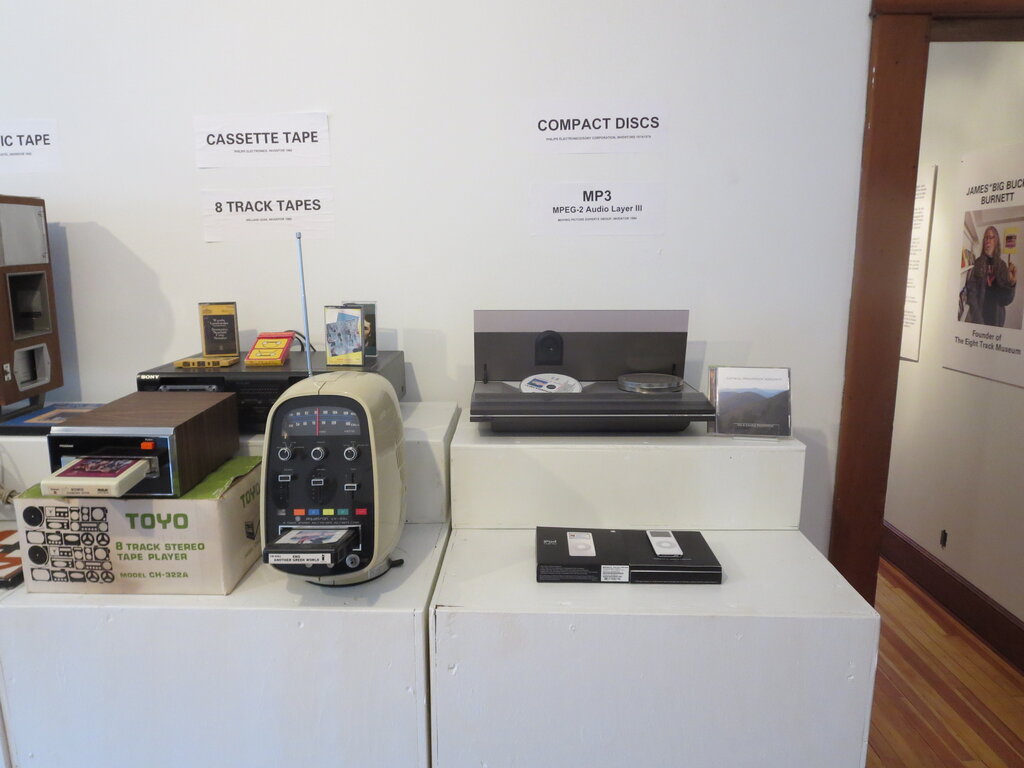
The idea of streaming has been around since the early days of the internet, but it took a long time to become practical. Early attempts were plagued by slow internet speeds, leading to constant buffering and low-quality video. For streaming to work smoothly, the network connection has to be fast enough to deliver the data in real-time. It wasn't until broadband internet became widespread that streaming truly took off, paving the way for a complete transformation of how we consume media.
Pioneers of the New Age
Two companies in particular led this charge: Netflix for video and Spotify for music.
Netflix didn't start as a streaming company. It began in 1997 as a DVD-by-mail service, a novel idea that challenged the dominance of brick-and-mortar rental stores like Blockbuster. But its founders saw where technology was heading. In 2007, they launched their streaming service, initially with a small library. It was a risky move that ultimately paid off, making "binge-watching" a household term and setting the stage for an entire industry of on-demand video.
Spotify did for music what Netflix did for movies. Launched in 2008, it offered a massive library of songs for a flat monthly fee or for free with ads. This was a game-changer in an industry struggling with digital piracy. Instead of owning music by buying albums or individual tracks, listeners could simply access almost any song, anytime. This model quickly became the new standard for music consumption.
Shifting the Power
The rise of streaming services fundamentally changed our relationship with media. Traditional broadcasting, like network television and radio, operates on a fixed schedule. You have to tune in at a specific time to catch your favorite show. If you miss it, you're out of luck unless you remembered to record it.
On-demand streaming flips this model entirely. The viewer is in control. Instead of a schedule, there is a library. You can watch what you want, when you want, and where you want, as long as you have an internet connection. This shift gave consumers unprecedented freedom and flexibility, forcing traditional media companies to adapt or risk becoming obsolete.
The media landscape is fundamentally transformed by streaming and on-demand consumption.
This new era of media consumption has changed everything from how shows are produced to how artists are paid. It put power directly into the hands of the audience, creating a more personalized and convenient entertainment experience.