The Business of Streaming and Media Trends
Introduction to Streaming Services
What Is Streaming?
Streaming is a way to watch videos or listen to music on demand, without having to download a file first. Think of it like a running tap. You get water instantly without needing to fill a bucket. In the same way, streaming services deliver media to your device in a continuous flow over the internet.
This wasn't always possible. In the early days of the internet, slow connections meant you had to download an entire song or video file before you could play it. This could take hours. The rise of high-speed broadband internet in the 2000s changed everything, making instant playback a reality and setting the stage for a media revolution.
The Pioneers
Two companies in particular led the charge in this new world of media: Netflix and Spotify.
Netflix started in 1997 as a DVD-by-mail rental service. You’d choose a movie online, and they’d mail you the disc. But in 2007, they made a pivotal shift. They launched a feature that let subscribers watch a limited library of movies and TV shows directly on their computers. This “Watch Now” service was the beginning of Netflix as we know it today.
Spotify did for music what Netflix did for video. Launched in 2008, it offered a massive, searchable library of songs. Before Spotify, your options were buying CDs, purchasing digital tracks from stores like iTunes, or illegally downloading music. Spotify provided a legal, affordable alternative: access to nearly all the music in the world for a flat monthly fee or for free with ads.
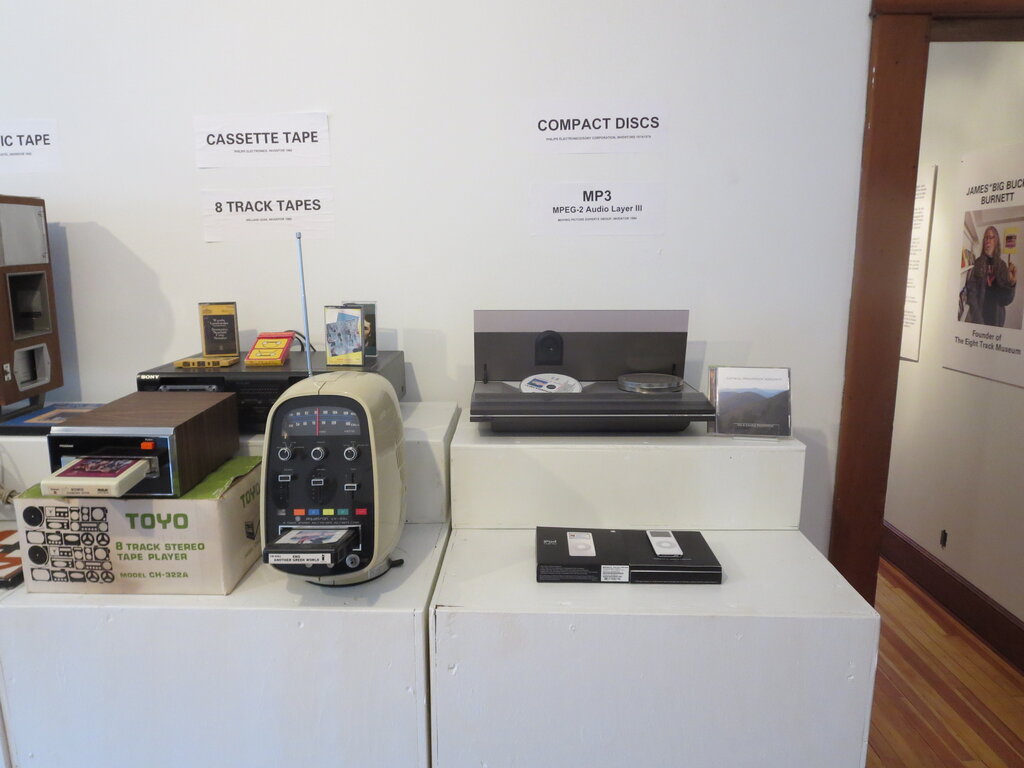
These platforms didn't just offer a new way to consume media; they changed our relationship with it. They offered vast libraries of content at our fingertips, available anytime.
The Great Disruption
The success of streaming services had a huge impact on traditional media industries. For decades, television was dominated by cable companies and broadcast networks. You watched what was on at a specific time, and your choices were limited by your cable package.
Streaming broke this model. Viewers were no longer tied to a schedule. This freedom led to a phenomenon known as “cord-cutting,” where people cancel their expensive cable subscriptions in favor of more affordable and flexible streaming options.
This isn't just about convenience; it's about control. Streaming put the viewer in charge of what, when, and where they watch.
The music industry felt a similar shockwave. CD sales plummeted as listeners flocked to streaming platforms. Artists and record labels had to adapt to a world where revenue came from fractions of a cent per stream rather than album sales. It fundamentally changed how music is produced, marketed, and consumed.
Similarly, movie theaters and home video markets faced new competition. Why go out to a theater or buy a DVD when a huge selection of films is available at home?
The media landscape is fundamentally transformed by streaming and on-demand consumption.
This shift marked the beginning of a new era. Traditional media gatekeepers lost much of their power, and a new generation of digital-first companies rose to take their place, reshaping entertainment for good.